
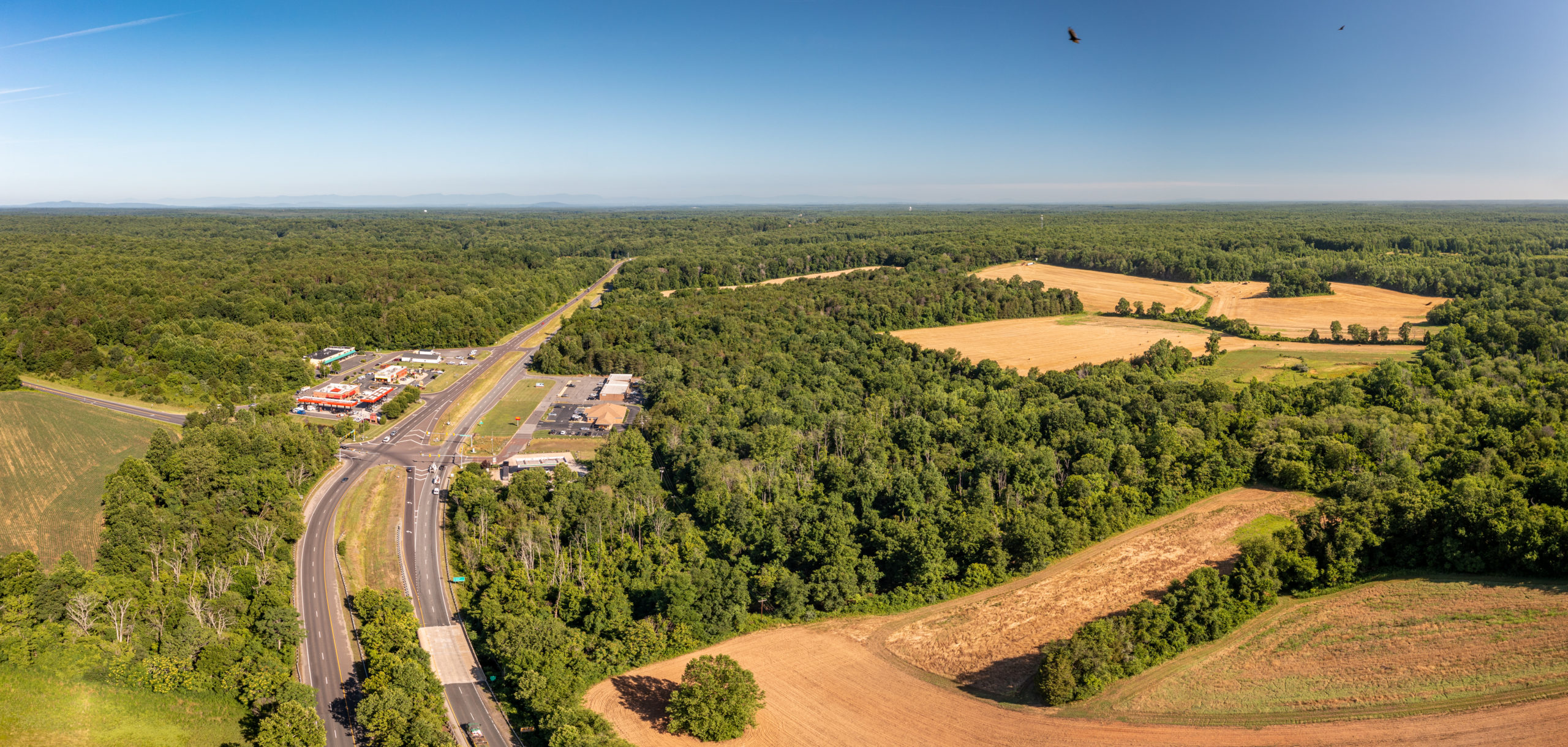
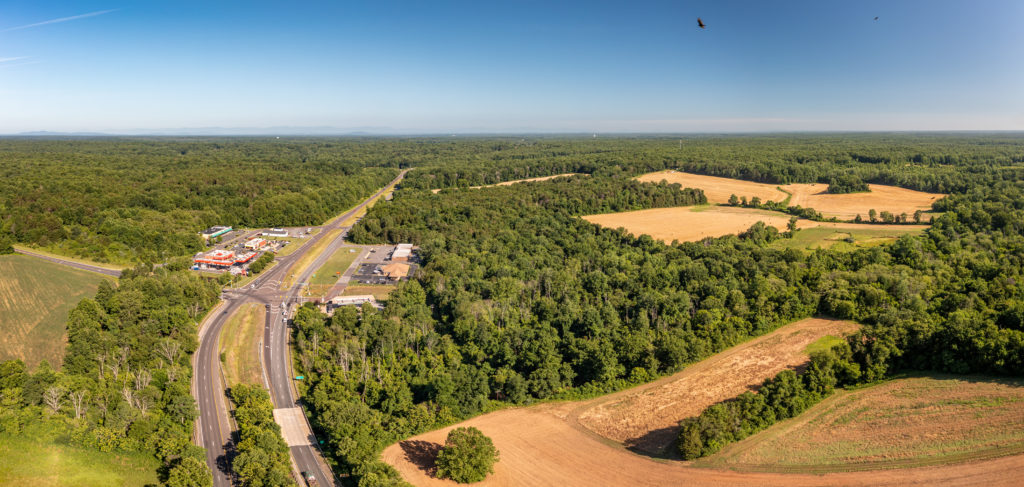
The massive 2,602-acre rezoning would be the largest in county history, if approved.
Our Work
Safeguarding the landscapes, communities and heritage of the Piedmont by involving citizens in public policy and land conservation. Learn more about our work by browsing the subject areas below and find out how to get involved!
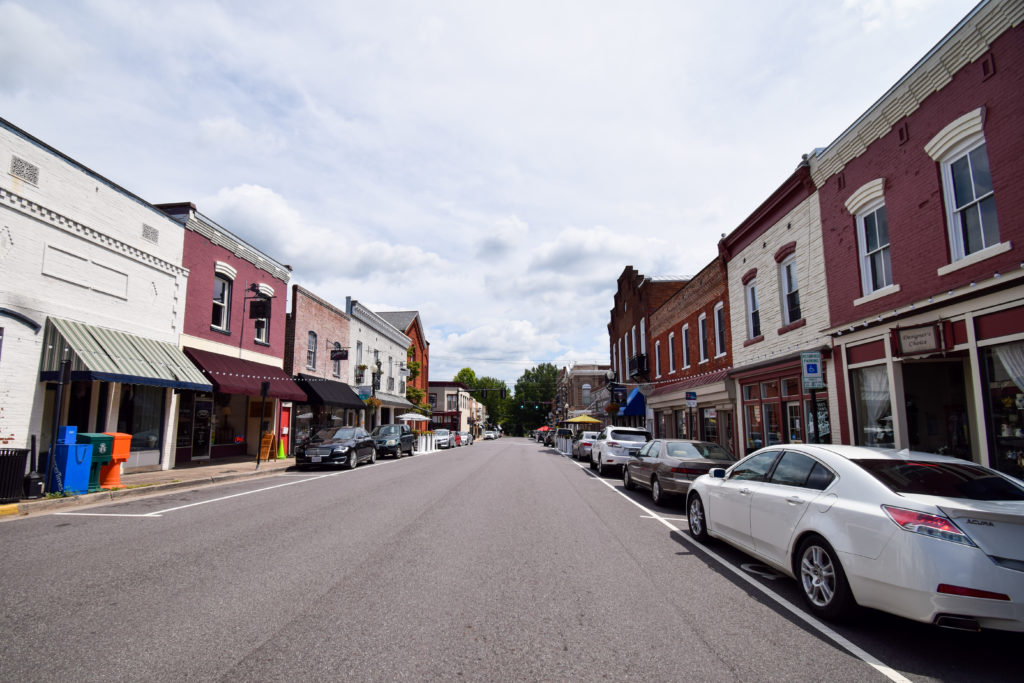
Historic Districts
PEC has a long track record of working to create historic districts throughout our nine-county service area in an effort to bring communities together to think about the long-term protection of their unique cultural and historic assets.
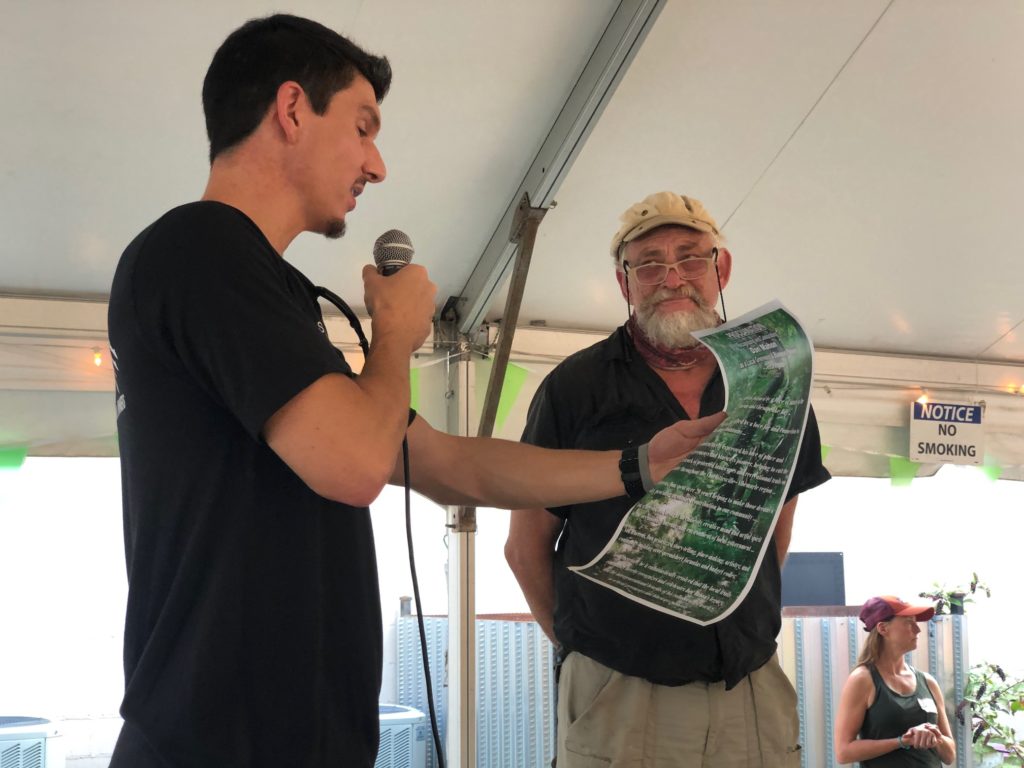
Mini Summit Continues Forward Movement; Mobility Social Recognizes One Who Started It
Passionate activists, professionals, and community members came together virtually on August 27 to work to make Charlottesville and Albemarle a better place for walking, biking and active living. Later, many of them (joined by others) enjoyed an outdoor happy hour and mixer. The day culminated with a community service award presentation to Albemarle County’s recently retired Greenways Coordinator, Dan Mahon.
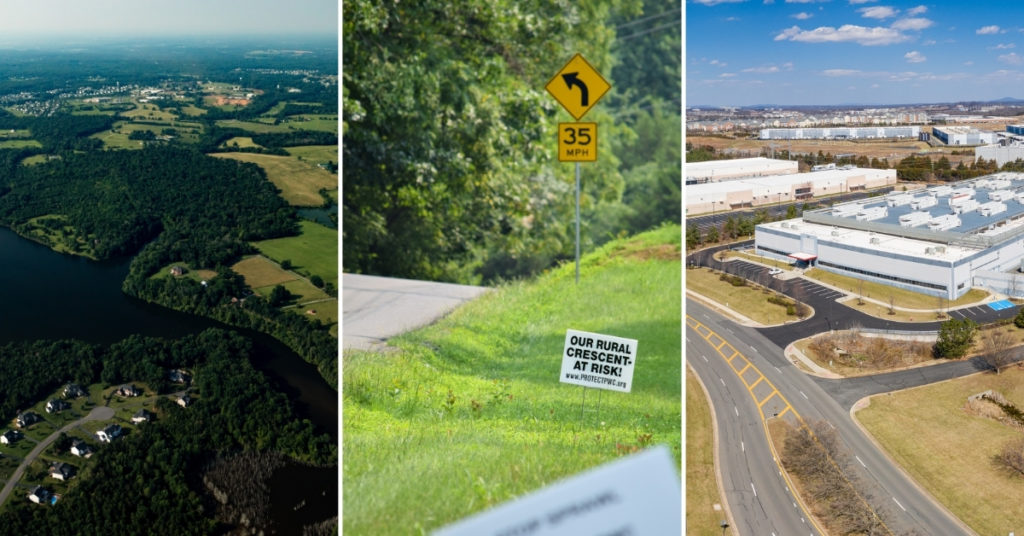
Data Center Development Threatens Rural Crescent
Find out what’s happening in Prince William County. View StoryMap >>
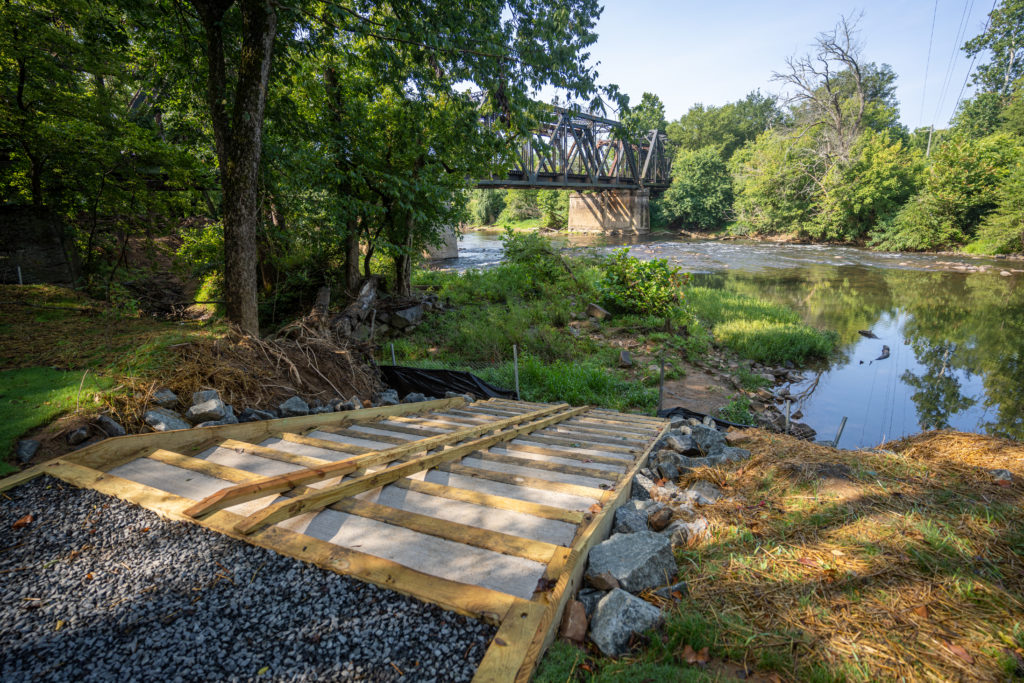
New boat launch on the Rappahannock River
On August 14, Fauquier County’s second Rappahannock River kayak/canoe launch officially opened at the Rector Tract with a ribbon-cutting ceremony, offering county residents a new public access point to the state-designated scenic river.

Act Now to Clean up Virginia Politics
At 1 p.m. on Monday, a specially-convened committee on campaign finance reform will hold its first-ever meeting. This is your opportunity to tell legislators to enact common sense campaign finance reforms to ensure transparency and protect the integrity of our political system.

Conservation Outcomes from a Speedy Special Session
Well, that was fast! Less than two weeks after gaveling in on Monday, Aug. 2, the Virginia General Assembly concluded its special session on Tuesday, Aug. 10.
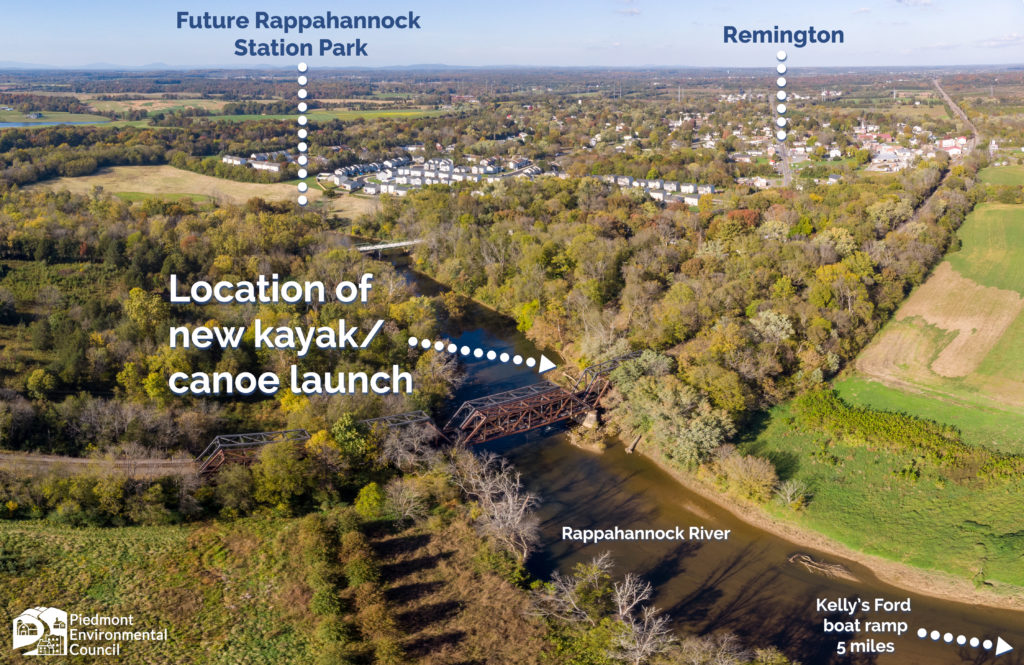
New Rappahannock River Kayak/Canoe Launch Now Open in Remington, Ribbon-cutting planned for Aug 14, 2021
Fauquier County’s second Rappahannock River kayak/canoe launch is now open at the Rector Tract, located at the end of River Road in Remington, giving county residents a new public access point to the state-designated scenic river. The timber-framed, concrete staircase, with a wooden slide for hand-launch of non-motorized vessels, was built over five days last week by Brad Mawyer of the Virginia Department of Wildlife Resources, Wes Hale and a crew of staff from Fauquier County Parks and Recreation, Maggi Blomstrom of The Piedmont Environmental Council, and three Fauquier County resident volunteers. An official ribbon-cutting ceremony will be held Saturday, Aug. 14 at 12 p.m.

New skilled meat cutter training program will help region’s meat processors serve Virginia cattle farmers
A recent study by The Piedmont Environmental Council and American Farmland Trust, spurred by pandemic-related breakdowns in national and local food supply systems, has led to the development of a new meat-cutter training program to be offered by the Rappahannock Center for Education beginning late fall 2021. Using a national training model, the program is intended to help local meat processors expand their operations and increase their capacity to serve the region’s cattle farmers by building a larger pool of available skilled laborers in the field.
Avoiding Invasive Species: Call Upon Your HOA
Homeowners need to get involved with their HOAs to ensure they avoid the use of invasive plants. There are several ways individuals can take action to do so, such as attending meetings, contacting the board members, serving on a committee, and creating volunteer events.