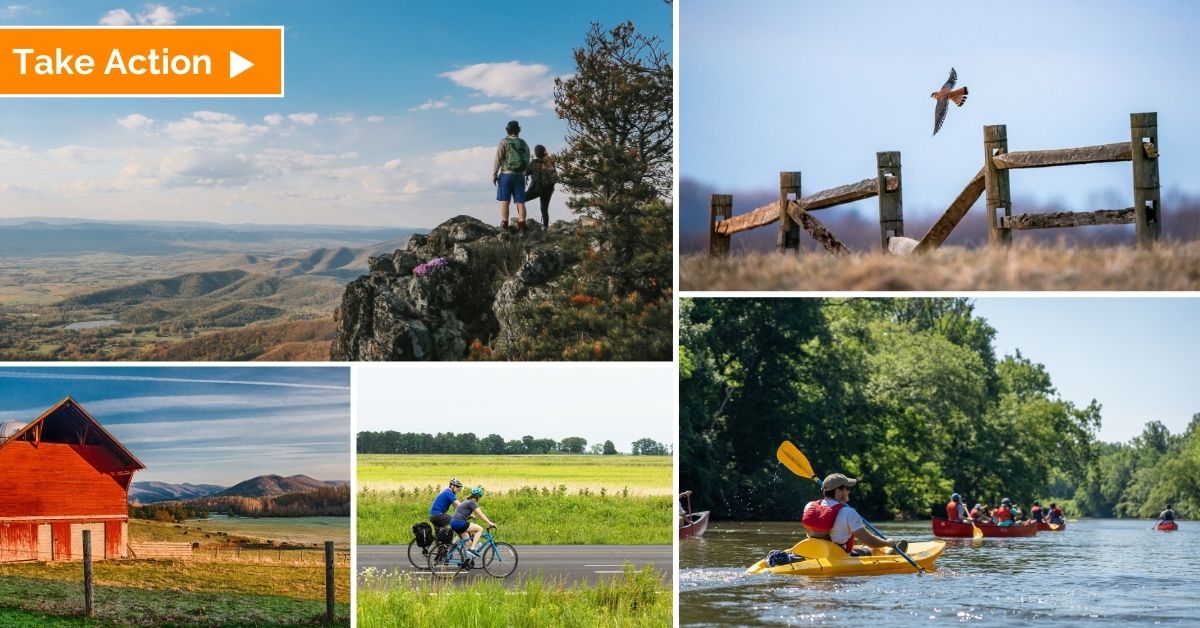
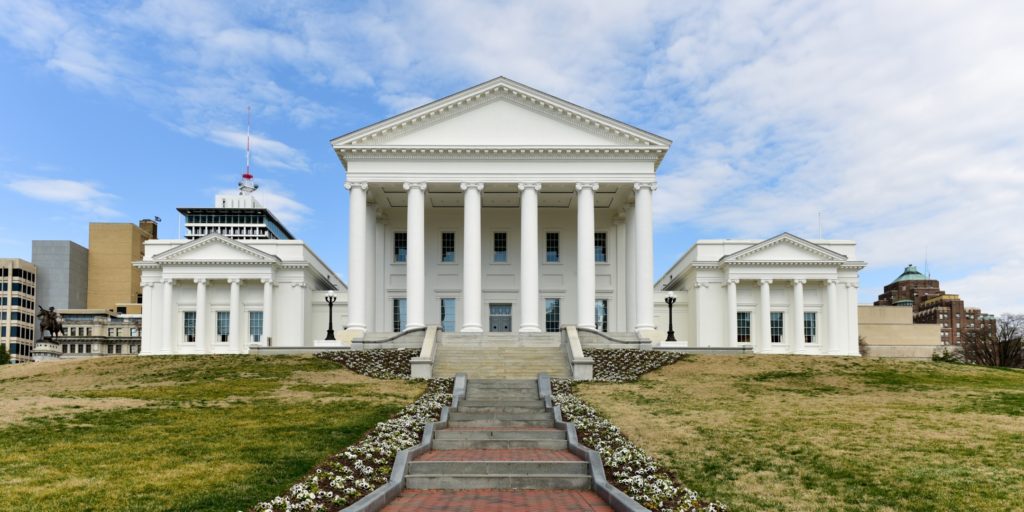
The House Finance Committee takes up the bill on Wednesday. Please take a moment to send in a letter!
Dear Supporter,
Last week, we reached out to you about the urgent need for data center reform. Today, we have a historic opportunity to take that conversation a step further—by ensuring the booming data center industry contributes directly to the protection of the Virginia landscapes we love.
Our landscapes and natural resources anchor Virginia’s agriculture, tourism, and forestry industries, and the natural landscapes that shape our history, offer outdoor recreation opportunities, provide clean water and air, and support healthy ecosystems. However, programs in Virginia that protect our great outdoors are chronically underfunded.
For years, Virginia has lagged near the bottom of the nation in conservation funding, with only about 1% of the state budget dedicated to protecting our natural resources. The lack of sufficient long-term funding means the Commonwealth has not kept up with the demand for parks, trails, and open lands. Historic sites have gone unprotected. Farms and forest lands are at risk of development. And more assistance is needed for landowners who want to conserve their properties.
A full 70% of Virginians support increased public spending on conservation—now we just need the General Assembly to act. This landmark legislation would create a tax on data centers to support land conservation, generating at least $250 million annually in dedicated funding. This is a permanent investment in:
State Parks & Public Lands: Addressing deferred maintenance and funding new parks;
Working Lands: Protecting the farms and forests that drive our rural economies;
Historic Preservation: Saving the sites that tell Virginia’s story, including creating a new Virginia Tribal Commitment Fund;
Wildlife: Funding wildlife crossings and protecting critical habitat;
Trails: Expanding the regional trail networks that connect our communities.
The clock is ticking. During their meeting Wednesday at 12 p.m. we expect the House Finance Committee to vote on whether to send their version of the bill (HB641) to the full House. Meanwhile, progress has stalled in the Senate; on Tuesday morning, the Senate Finance Resources Subcommittee voted to “carry over” the Senate version of the bill (SB393), delaying its consideration until next year.
Legislators need to know that their constituents prioritize clean air, clean water, and open space over unchecked development.
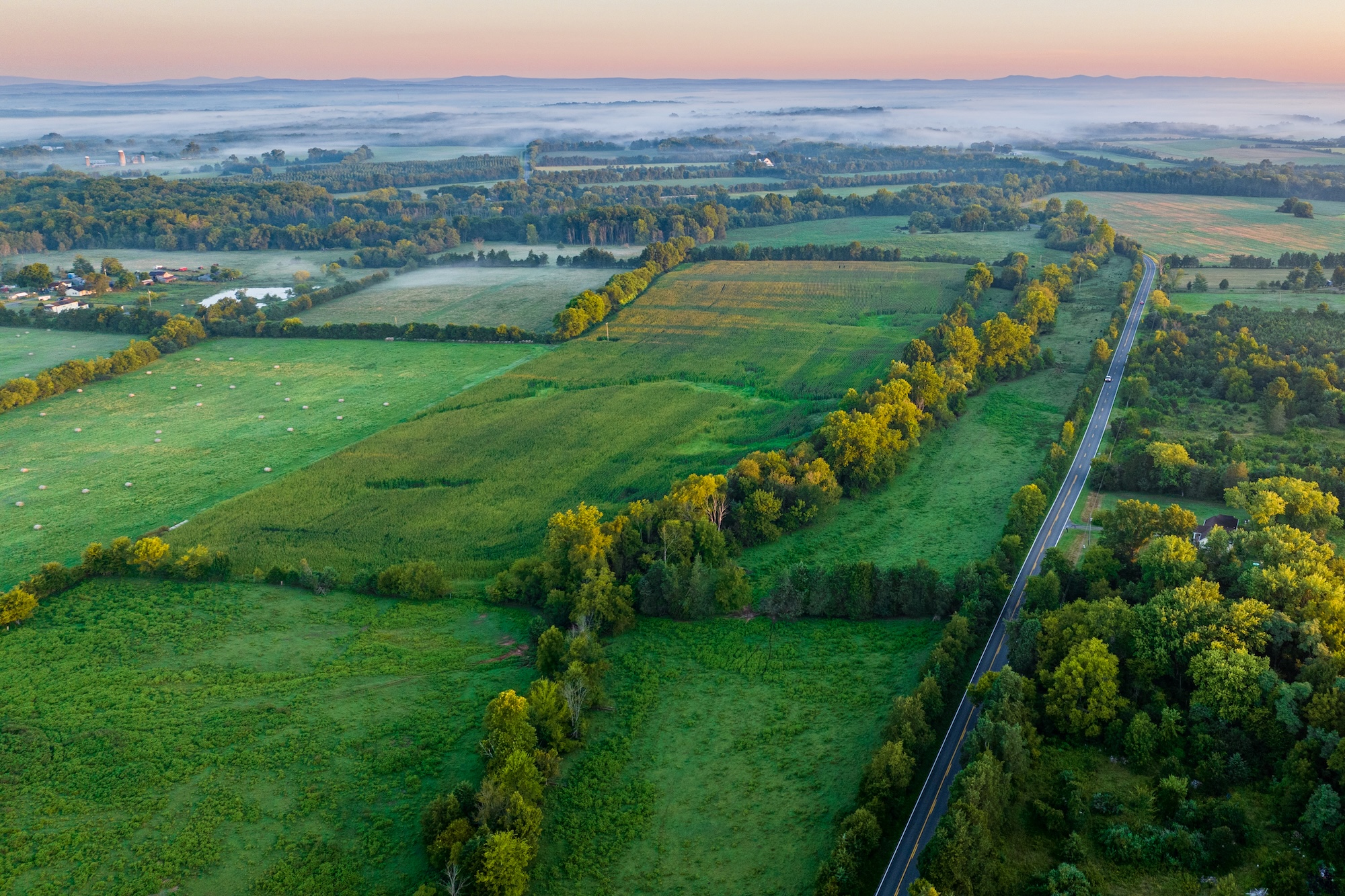
From the Piedmont’s open space, to the forests of Southwest Virginia and the coastlines of the Eastern Shore, everyone benefits from statewide efforts to protect more of Virginia’s lands and waters. People and communities are healthier when we have ample, easy access to the outdoors. Together, we have a chance to ensure that access for our children and grandchildren.
Please urge/encourage your legislator to help protect more of Virginia’s lands and waters by supporting this legislation. Thank you in advance for weighing in!
P.S. This effort is part of a broad coalition called Our Virginia Outdoors. Together, we are fighting to ensure that as Virginia grows, our natural heritage is preserved for generations to come.
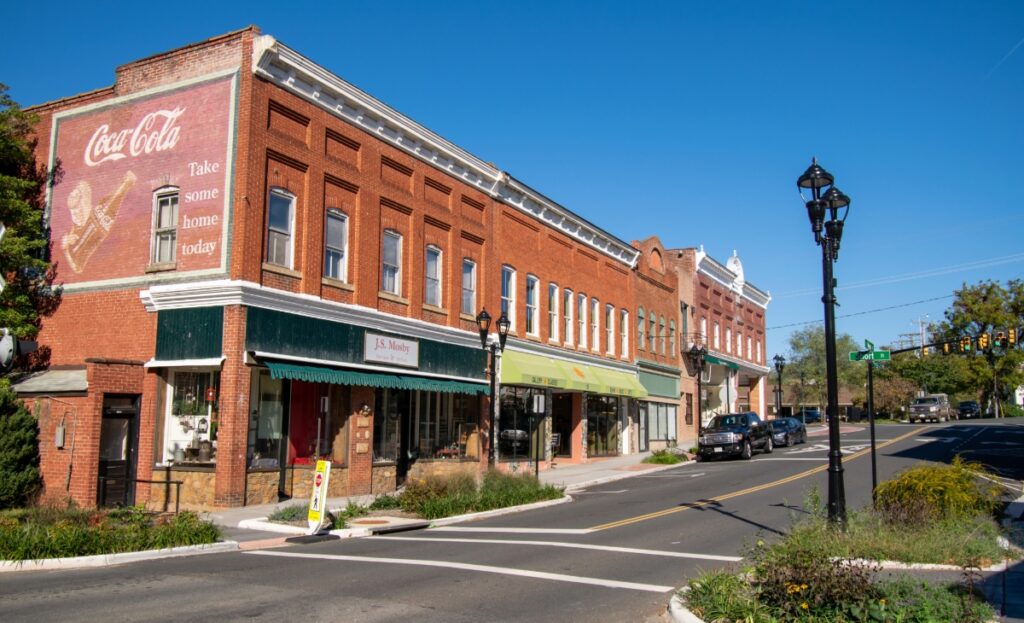
The new year is off to a busy start in Orange County! Read on to learn more about zoning changes related to data centers and agriculture, an opportunity to weigh in on PFAS-contaminated biosolids, and two wins, including the protection of Orange County farmland and a withdrawn gas power plant proposal.
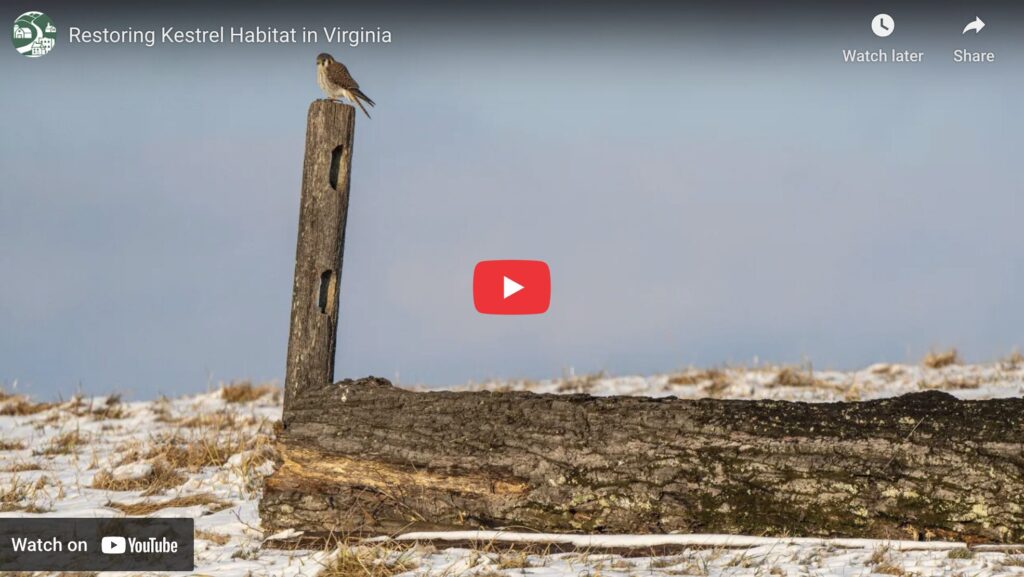
PEC’s Lauria McShane and other members of the Virginia Grassland Bird Initiative team are busy this fall and winter installing kestrel boxes across our landscape.
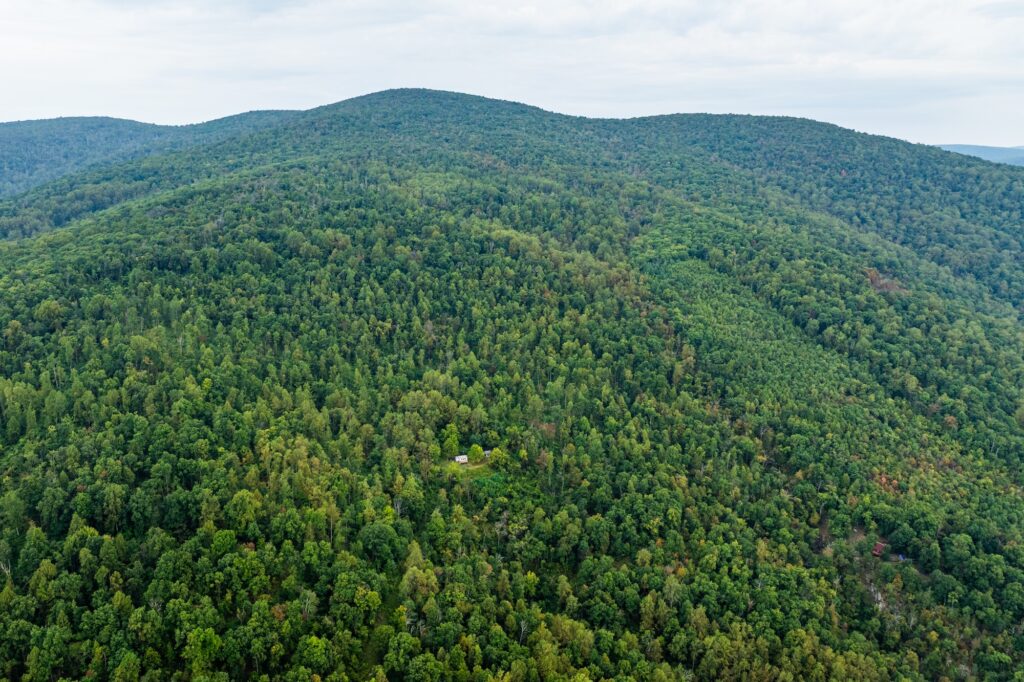
Nestled on the eastern slope of Saddleback Mountain, a small cottage in the woods has been a family retreat for sisters Gayle and Cathy Soloe for decades, since their father first purchased the 89-acre parcel adjacent to Shenandoah National Park in 1958.
Thank you for taking a moment to read about PEC’s achievements across our region and throughout our programs this year. We could not do this work without your support and your commitment, so thank you for giving generously and engaging in the future of your community!
From their storied pasts to the present day, the Fauquier County towns of Remington, Bealeton and the many unique crossroad communities in the surrounding region have been characterized by their rural charm. And for decades, The Piedmont Environmental Council has been committed to collaborating with these local communities on conservation, land use planning, historic preservation and public access to nature. But as pressure for massive data center complexes spreads beyond Northern Virginia into the Piedmont’s special rural communities, we worry the progress and investments we and many others have made toward conserving, enhancing and preserving these communities will be lost forever.
Photo by Hugh Kenny
1990s | PEC opposed the Fauquier Forward plan that would have widened Virginia State Route 28 and replaced the agricultural economy through that area with suburbs. Instead, we advocated for an alternative vision of conservation and helped create the county’s Purchase of Development Rights program, which pays landowners to relinquish development rights on their properties, thus supporting farmers, preserving the environmental and economic benefits of agriculture and preventing costly sprawl. Since then, Fauquier’s PDR program has become a model for other places, creating an important tool for landowners who want to keep their land in farming.
2006 | PEC helped the county acquire Rappahannock Station Battlefield Park, preserving this critical battlefield for a future public park and recreation area near the town of Remington. PEC supported development of a master plan for the park and continues to advocate for walking trails and interpretive signage that will tell the important history of the town and this historic battlefield.
Photo by Hugh Kenny
Photo by Paula Combs
2017 | In support of Remington’s effort to strengthen tourism and enhance pedestrian safety, PEC received a PATH Foundation grant to develop a plan called Remington Walks. This plan to rejuvenate Main Street with walking trails, town signage, pedestrian-friendly connectivity and more was developed with input gathered during community meetings and walking audits with residents. Remington Walks was adopted into Remington’s comprehensive plan and has been a guide and supportive document for several subsequent projects, including a gazebo next to the town hall, completed trail connections to Margaret Pierce Elementary and an improved railroad crossing accessible for strollers and wheelchairs downtown.
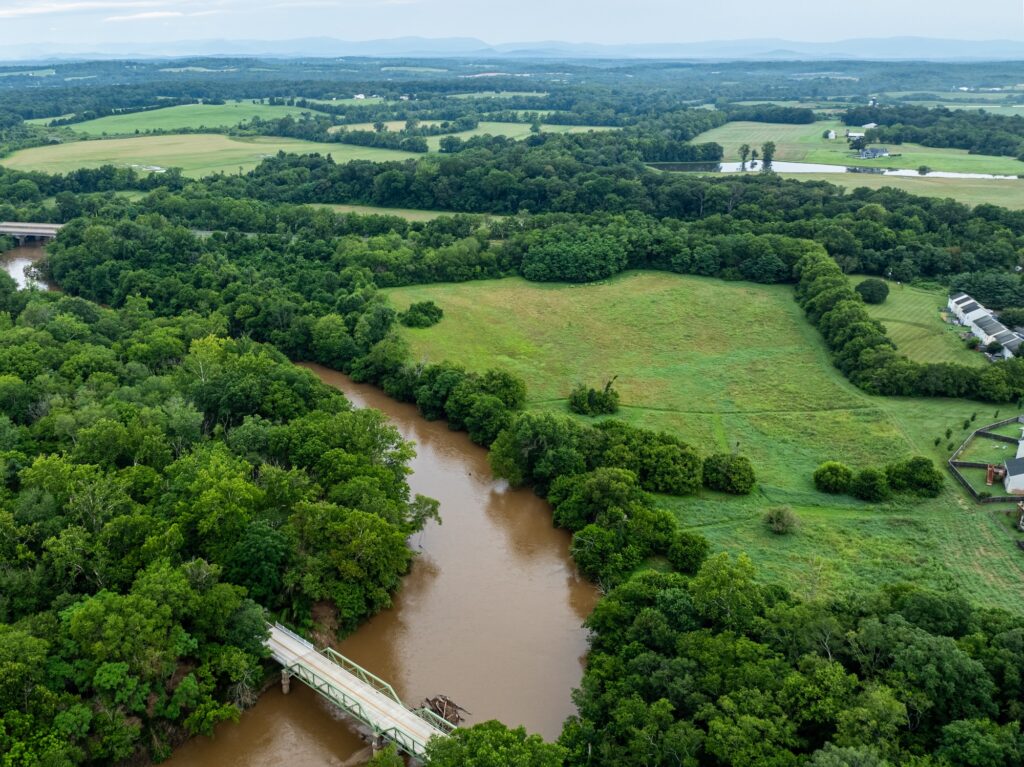
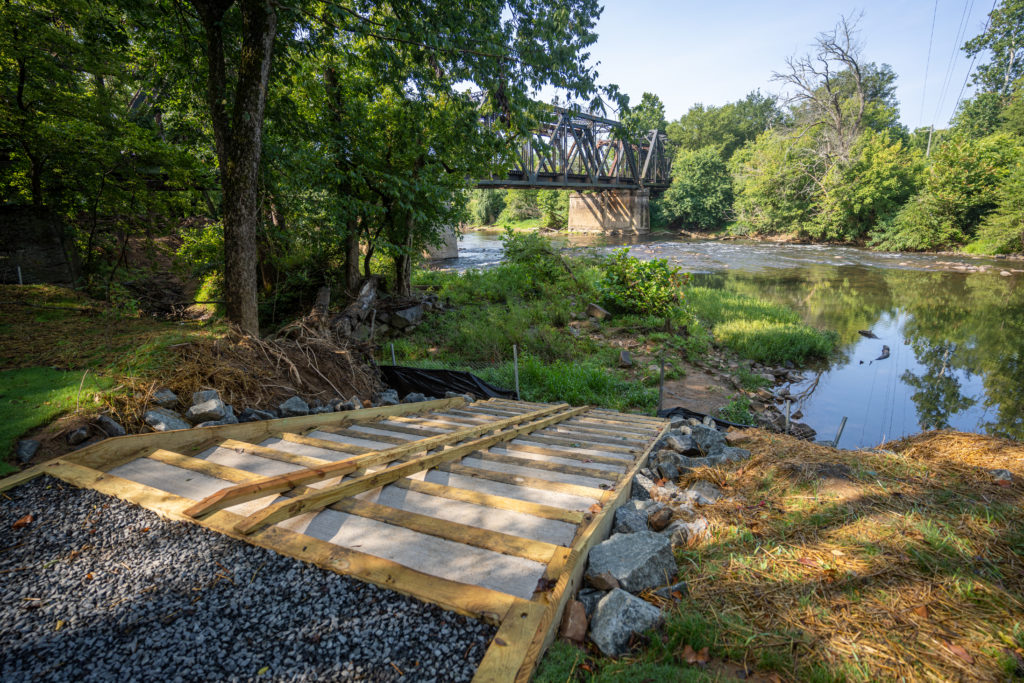
2021 | PEC and numerous partners set about creating an Upper Rappahannock River Water Trail that provides much-needed public access at several points along this Virginia-designated scenic river. In August 2021, we helped cut the ribbon on the new Rector Tract public canoe and kayak launch a short walk from downtown Remington. Open dawn to dusk, this launch closes a 25-mile gap in public access to the river between Riverside Preserve and Kelly’s Ford in Culpeper County.
Photo by Hugh Kenny
Photo by Hugh Kenny
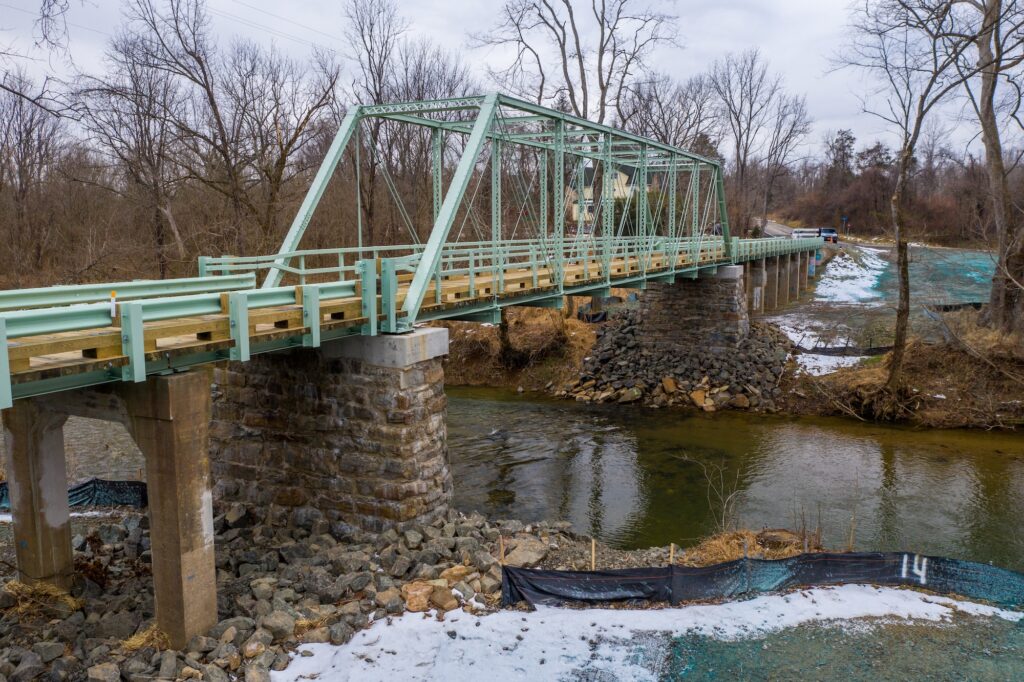
2021 | Waterloo Bridge over the Rappahannock River is the uppermost point of the historic Rappahannock Canal, an important historic resource and a unique community treasure. Built in 1878, it was closed in 2014 and slated for replacement by the Virginia Department of Transportation. Advocating for its restoration, rather than replacement, PEC invested in a consultant to put forward a restoration alternative, held numerous community meetings, pushed VDOT to consider other options, and, with the financial help of the Hitt family, was able to fully restore the oldest metal truss bridge still standing in Virginia today.
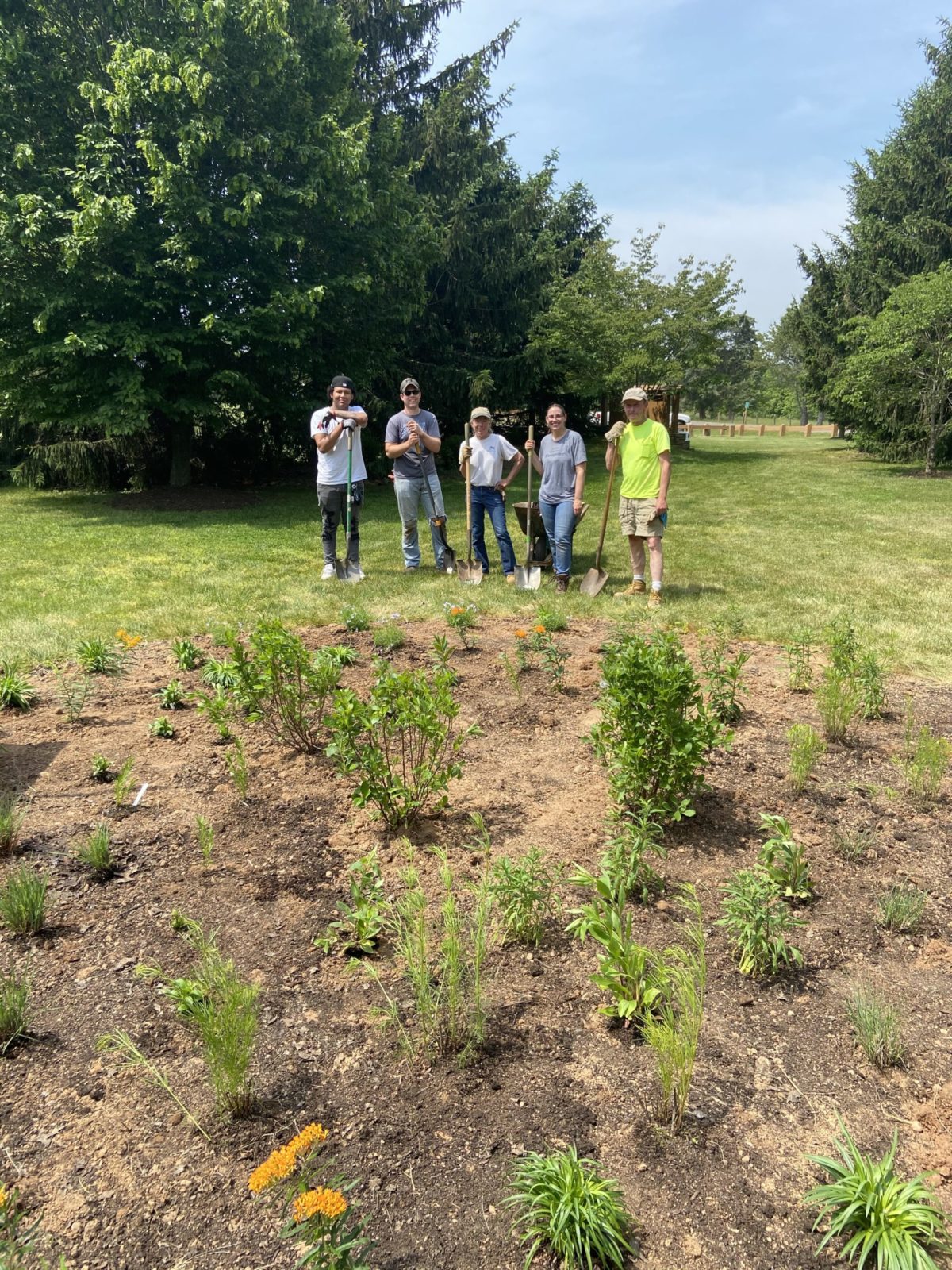
2021 | PEC established a native plant garden at C.M. Crockett Park in Midland. As a part of our efforts to promote native landscaping practices, we applied for a grant from Kortlandt Fund of the Northern Piedmont Community Foundation to purchase the native plants for the project. We also designed the garden and worked with the Fauquier Parks and Recreation Department and community volunteers to install it.
Photo by Dan Holmes
The network of support to conserve, enhance, and preserve Remington and southern Fauquier extends well beyond PEC. The local churches, the Virginia Cooperative Extension, and John Waldeck established the Remington Community Garden. The town utilized a PATH Make It Happen Grant to build a new gazebo next to the town hall. And the Remington Community Partnership — run by the tireless Mary and Ray Root — has worked to document, preserve and promote the historic resources of the town. Countless people have led numerous other projects, but a comprehensive list could take up the entire publication!
Remington and its surrounding areas are at the intersection of two very different futures. The tremendous work we’ve all already done together paves a path that retains the region’s rural charm, agricultural heritage and economy, and promise of a vibrant place for visitation and recreation.
This progress is threatened by pressure from multiple data center proposals that could put more industrial development in the quaint town of Remington than all the commercial space in Fauquier County combined. Together these projects would open a floodgate of new transmission lines, substations, construction traffic, air pollution, noise, and massive concrete computer warehouses that will crowd out other forms of investment and business interest and induce even more industrial sprawl.
Before our county leaders make major decisions that will forever alter a critical piece of Fauquier’s rural identity and economy, it’s important to revisit and remember the investments and community accomplishments made in the face of past development pressures that would have transformed this region.
This article appeared in the 2025 fall edition of The Piedmont Environmental Council’s member newsletter, The Piedmont View. If you’d like to become a PEC member or renew your membership, please visit pecva.org/join.
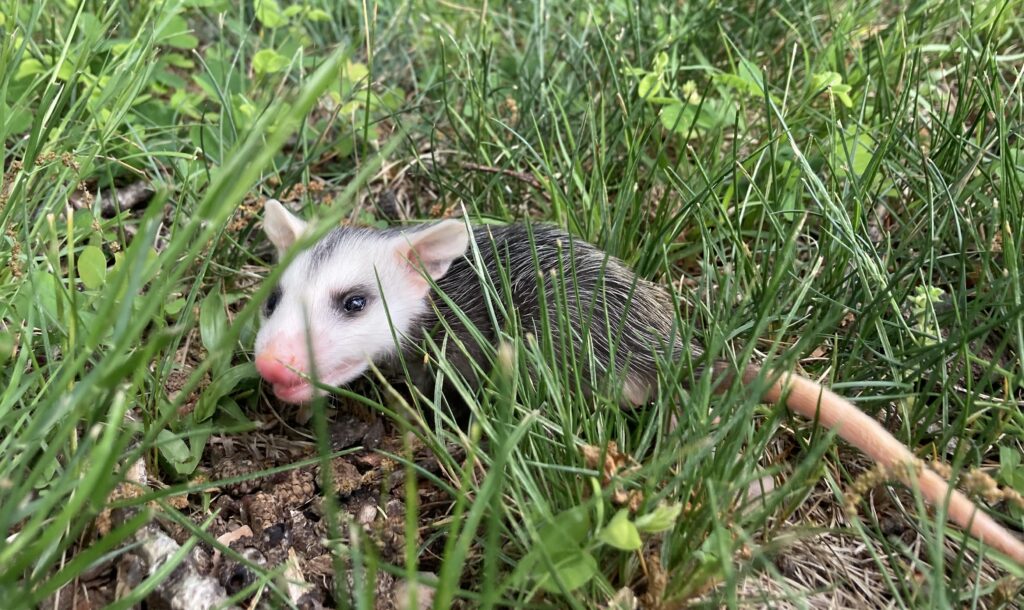
The car in front of me swerved to miss something in the road. I slowed, watching a small creature make its slow, plodding way across the asphalt. As I got closer, I realized it was a tiny baby opossum. Three other babies had already been struck in the road, with no mother in sight.
Sign the Change.org petition urging VDOT to reconsider its proposal to replace and significantly widen the I-66 bridge at Broad Run, which would put the historic Chapman-Beverley Mill at risk of significant, irreversible damage!
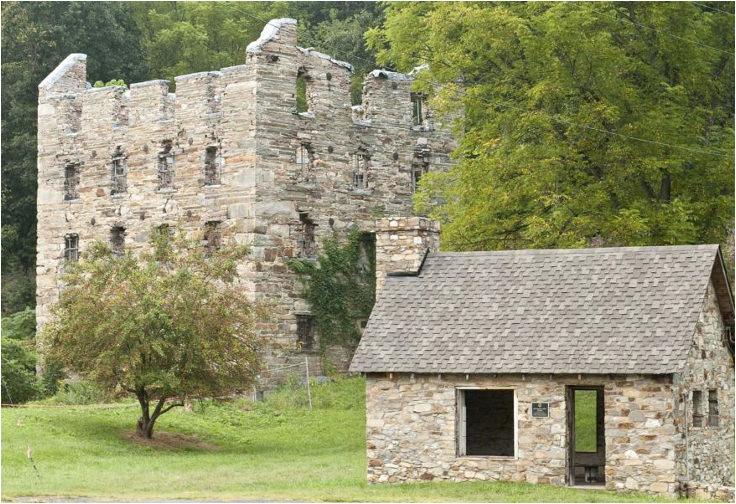
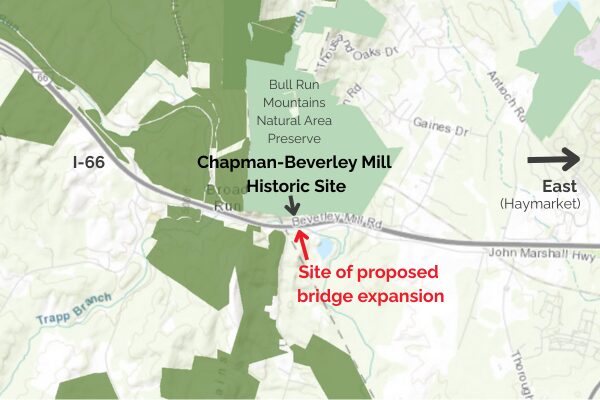
A proposal from the Virginia Department of Transportation (VDOT) would replace and significantly widen the I-66 bridge at Broad Run, leading to potentially disastrous implications for historic Chapman-Beverley Mill, as well as the Broad Run-Little Georgetown Rural Historic District and the surrounding area.
We are urging community members and those who share our concerns about this issue to attend VDOT’s upcoming public hearing on Thursday, May 29, 2025 and/or submit written comments to voice your opinion and commitment to protect these precious historical landmarks and conservation lands from the unnecessary and costly development of VDOT’s proposal.
Scroll down for hearing info and location, as well as how to submit written comments.
Background
Aerial view of I-66 bridge (the ends of which appear as lighter bands of concrete in the photo) at Broad Run and the Chapman-Beverley Mill. Photo credit: Hugh Kenny, PEC
In summer 2023, VDOT approached PEC about its proposed replacement of the bridge “superstructure” for the portion of Interstate 66 that crosses over Broad Run, directly in front of the Chapman-Beverley Mill. (A superstructure is the elevated portion of the bridge where cars drive. Here is another example of a superstructure project in Virginia, and here is more general information about superstructures).
VDOT’s new proposal would significantly widen the shoulders on both sides of the bridge by 30 feet, supposedly intended as pull-off areas for trucks and breakdowns.
Graphic from VDOT presentation showing the widening of the bridge. (Click the image to expand)
That hearing will take place on Thursday, May 29 in Marshall, VA.
VDOT Public Hearing Info
When:Thursday, May 29, 5 – 7 p.m. (Inclement weather date: June 5, 2025) Where: Marshall Community Center, 4133-A Rectortown Road, Marshall, VA 20115 What you can do: 1. Speak at the public hearing if you can, and/or 2. Submit written comments to VDOT by June 9: • Print and fill out the comment form and mail it (mailing address listed on the form). You can also drop off the comment letter at the public hearing. • Email comments to Mr. Kevin Barnholt, Project Manager, Virginia Department of Transportation at [email protected]. Please reference “Interstate 66 Bridge Over Broad Run Comment” in the subject line.
With multiple groups raising concerns and the potential loss of irreplaceable historical landmarks, it’s clear that additional discussions are needed to ensure that this thoroughfare is protected from further harm, both now and in the future.
PEC position: Just the existing bridge structure should be repaired, as originally planned, and the bridge should not be fully replaced and certainly not widened.
Sign the Change.org petitionurging VDOT to reconsider its proposal to replace and significantly widen the I-66 bridge at Broad Run, which would put the historic Chapman-Beverley Mill at risk of significant, irreversible damage!
Talking Points
We urge those who share our concerns to attend the upcoming public hearing on May 29 and/or submit comments to VDOT by June 9, 2025 to express your opposition to VDOT’s new proposal to replace and significantly widen the bridge, which would have potentially disastrous implications for the Chapman-Beverley Mill.
Below are key points you should know about the proposed bridge expansion. In addition, we have provided alink to download more talking pointsfor use when providing input, which include additional details on VDOT’s proposal and our concerns about the potential impacts to the Chapman-Beverley Mill, Broad Run-Little Georgetown Rural Historic District and the surrounding area.
Here’s what you need to know:
Under the original 2023 proposal, all work would have occurred within the existing footprint, and VDOT stated there would not be a significant increase in the bridge’s width. The new plan, which calls for full replacement of the bridge and its support structure, is costly and unnecessary, and would have much more drastic implications. Specifically:
Such a replacement will require new pilings and new foundations to be installed, which may require blasting or other excavation impacts. Foundation work near the fragile Chapman-Beverley Mill structure would create vibrations that could put the Mill at risk of significant, irreversible damage.
Widening I-66 by 60 feet directly in front of the mill will put the mill at risk.
In addition, new shoulders and approaches would be required, all of which will increase the proposed impacts of the new bridge.
VDOT hasn’t addressed the impact on the mill of the construction process and the finished product, as well as vibrations from traffic that will be closer to the Mill once the wider bridge is complete.
Because the VDOT bridge project is federally-funded and has a potential impact on historic properties listed on the National Register of Historic Places, it invokes Section 106 of the National Historic Preservation Act. Section 106 requires VDOT to identify and assess effects on historic properties, consider alternatives to avoid or mitigate any adverse effects, and designate affected stakeholders as consulting parties to provide public input and recommendations on the project.
VDOT has made a Determination of “No Adverse Effect” and sought agreement from the Virginia Department of Historic Resources (DHR). This determination of no adverse effect is the result of the Section 106 hearing.
PEC asked DHR not to concur with VDOT’s determination and to request that the bridge replacement proposal’s impacts be reevaluated and that lower impact, more cost effective alternatives be pursued. In response, DHR sent this letter to VDOT outlining its concerns about the potential negative impacts of the bridge replacement and related work on the Chapman-Beverley Mill.
Although VDOT sent this letter in response to DHR’s letter and questions, its response does not sufficiently address concerns about the long-term impacts of the wider bridge on the mill or ongoing long-term maintenance requirements and costs as well as other matters.
Furthermore, shoulders on bridges are not preferred locations for vehicles to pull off. The bridge replacement and expansion opens the door to a wider I-66 and for the shoulders to eventually become travel lanes in the future, which would put traffic even closer to the historic Chapman-Beverley Mill.
View/download additional talking points on the Broad Run/Chapman-Beverley Mill bridge expansion by clicking below.