
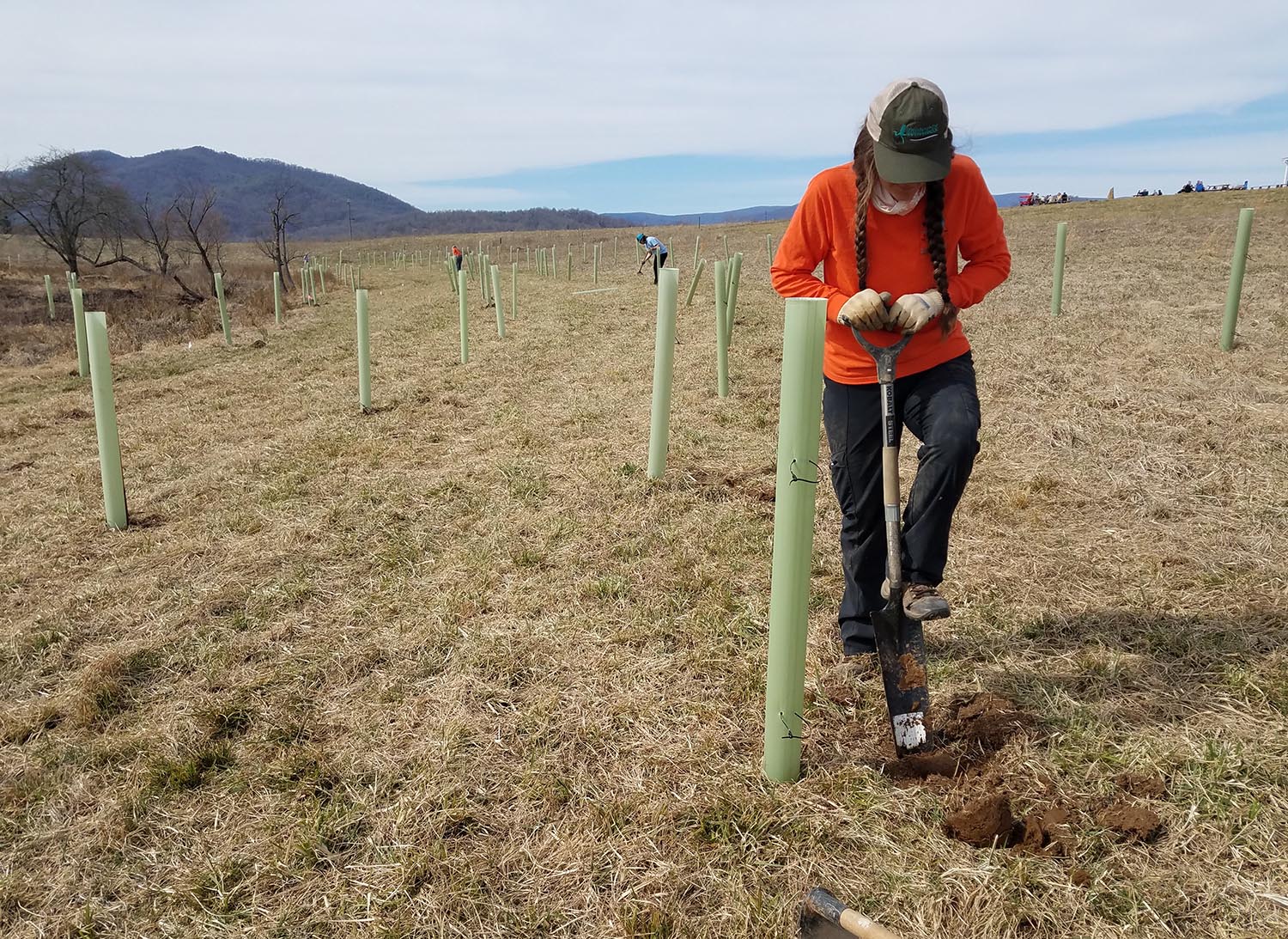
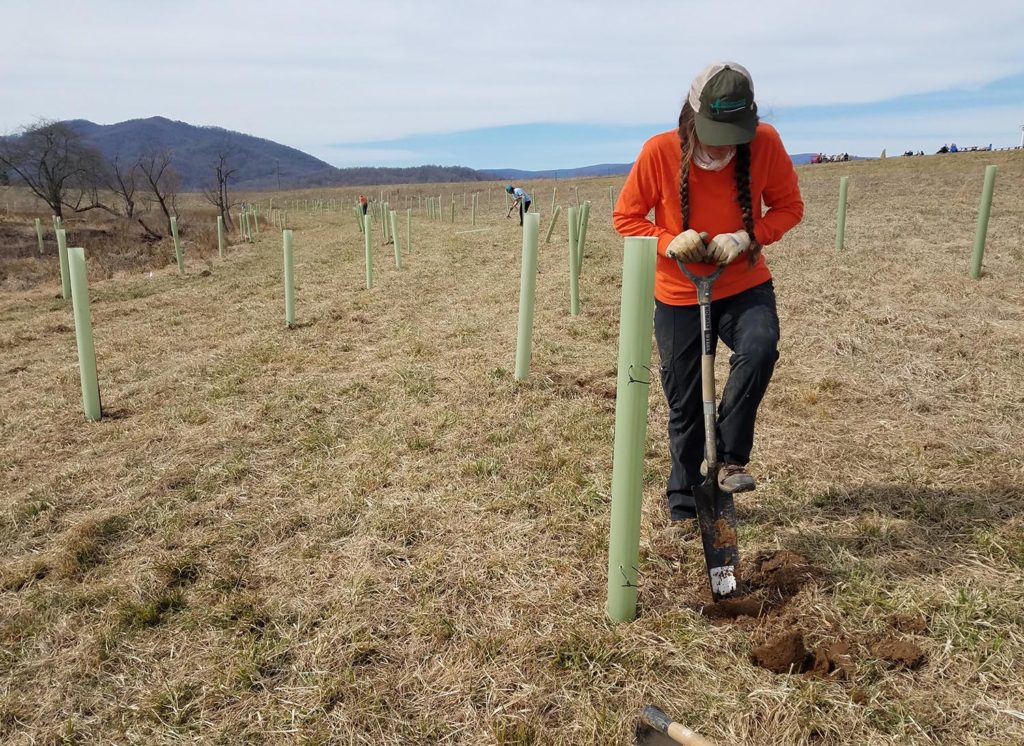
Part of a collective effort to get native trees and shrubs planted in riparian zones in headwater counties of the Rappahannock River Watershed.
Clean Water
Water flows through all of our land. To keep it plentiful and safe for drinking, swimming and fishing, we need clean air, expansive forests, responsible farms, wooded stream banks, and communities and individuals who make choices to avoid pollution.
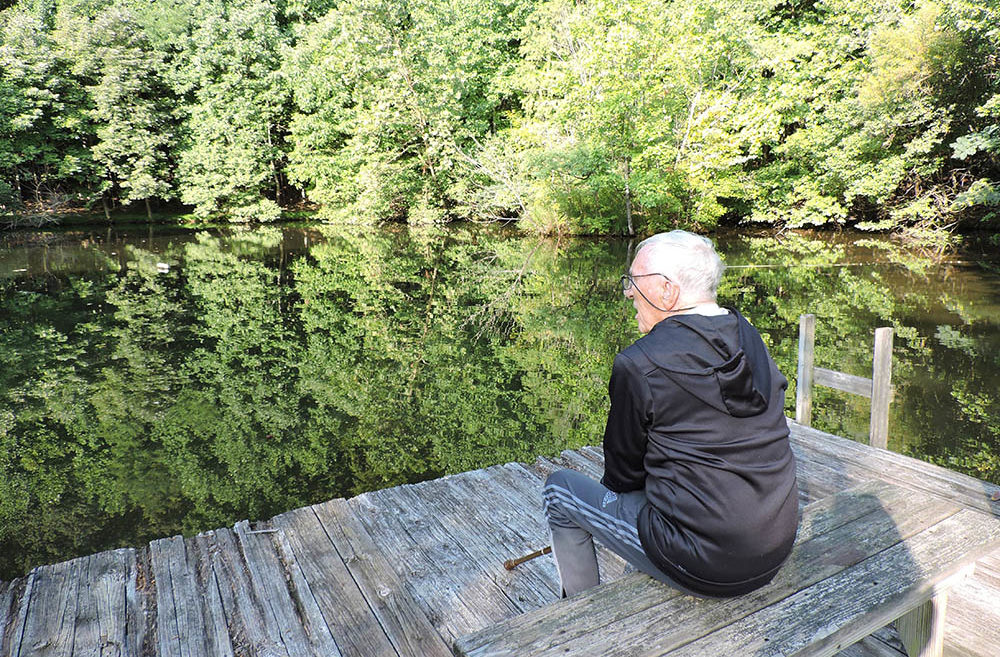
A Final Wish Granted
Carl and Elise Siebentritt’s 29-acre “mountain oasis,” two miles west of Lucketts along the Catoctin ridge and 3.5 miles northeast of Waterford in Loudoun County, was the hub and the heart of their large family for more than 30 years. Daughter Heidi and her husband held their wedding party there. Eldest son Carl III was married there and made it “home base” between overseas assignments with the State Department. Two other siblings, in Maryland and Georgia, moved their families in for a few years to help care for Elise and Carl in the years before each passed away. All 13 grandchildren and one great grandchild knew the woods like the backs of their hands from years of hiking, foraging, and camping.
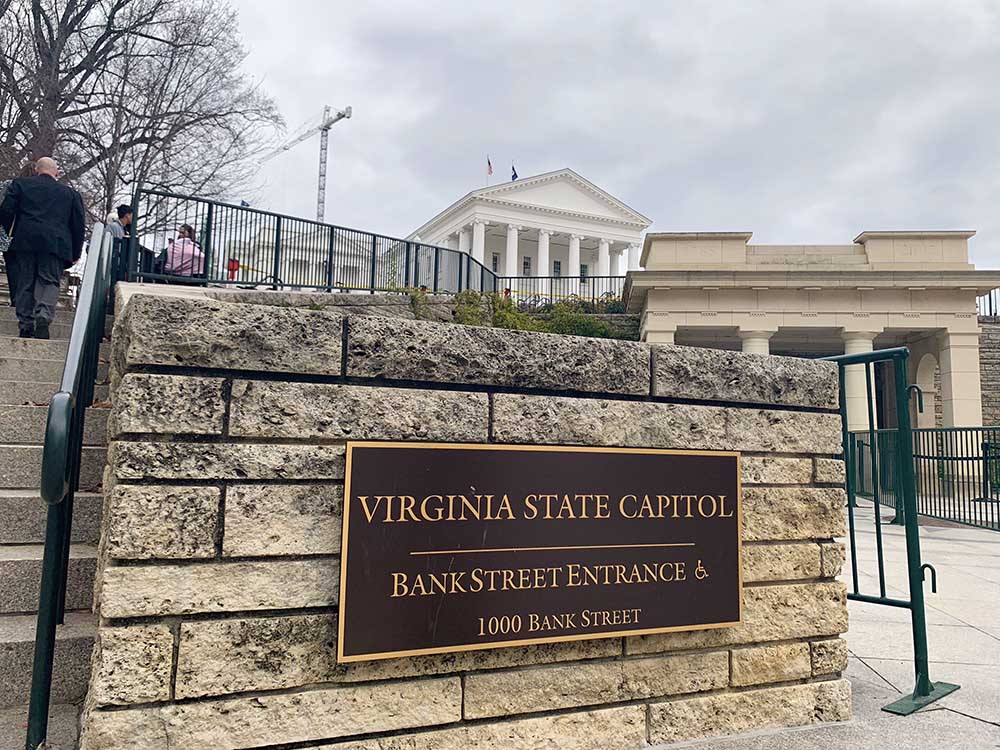
2021 General Assembly Update
The last six months has been a whirlwind of legislative action. The 2020 special session extended into mid-October, creating a mad scramble at its conclusion to prepare for the 2021 regular session. PEC was busy drafting bills and budget amendments, finding sponsors and having the conversations necessary to set up our initiatives for success before the new session began on January 13. The 2021 regular session was eventually extended into a special session that concluded on March 1.
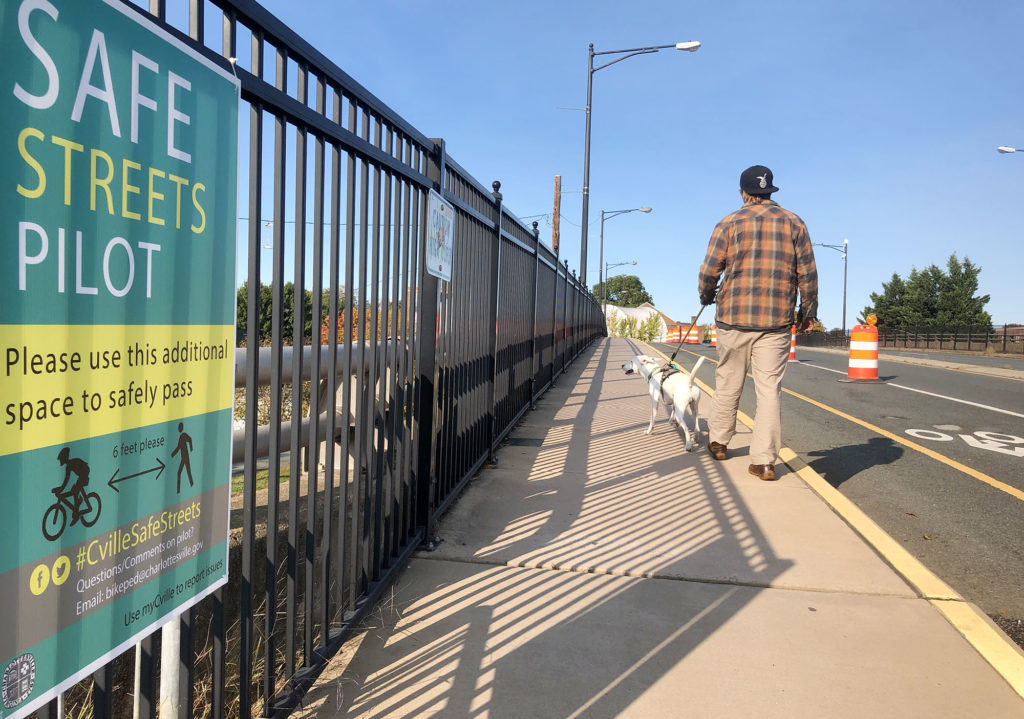
On the Ground Updates – December 2020
A series of short updates from around the PEC region – Albemarle & Charlottesville, Clarke, Culpeper, Fauquier, Greene, Loudoun, Madison, Orange & Rappahannock.
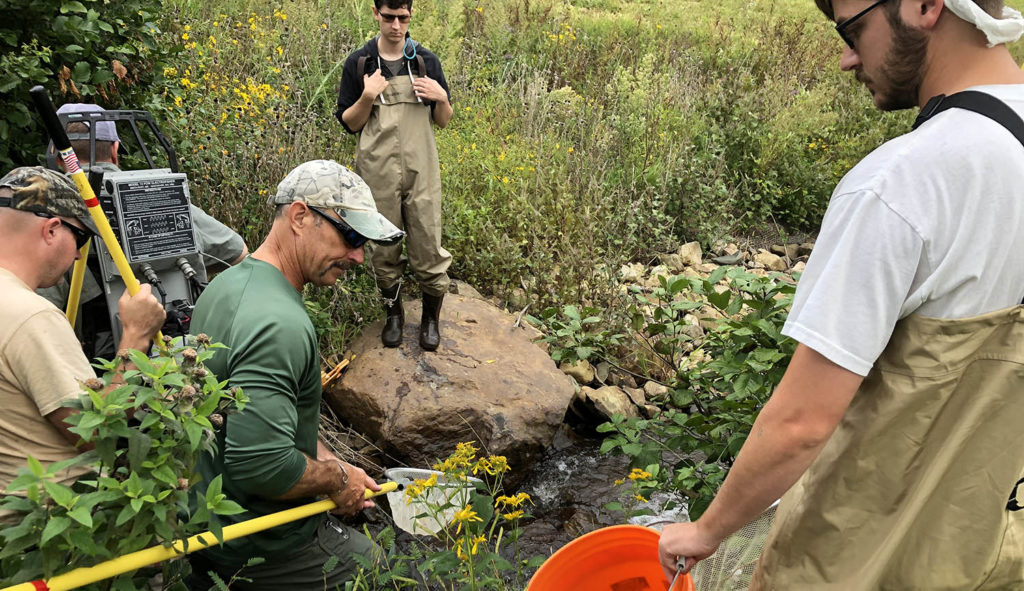
Return of brook trout signals promise for trout stream restoration efforts
Find out about recent fish counts.
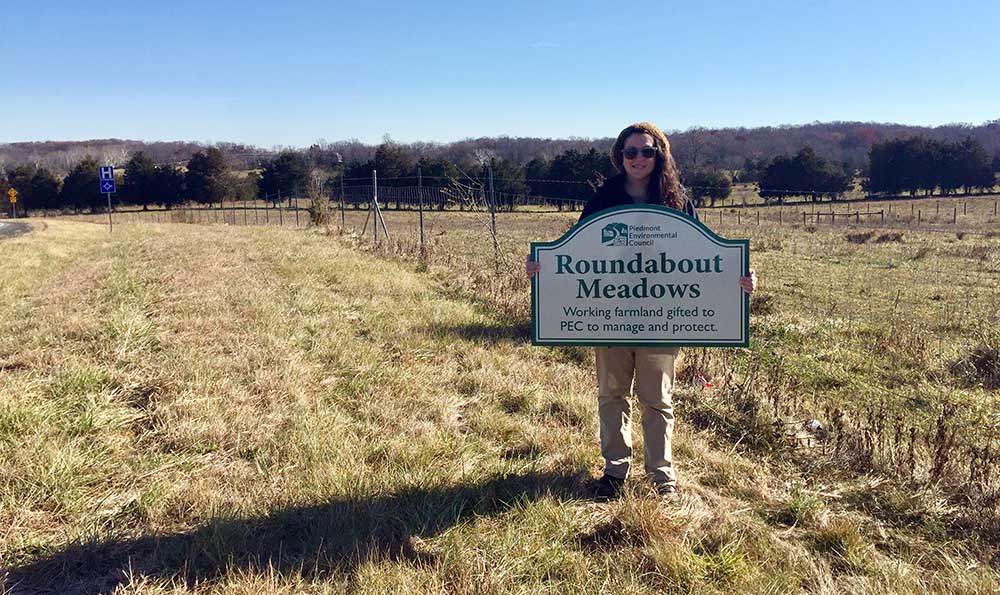
George Mason University students to survey Roundabout Meadows vegetation
George Mason University plant ecology students are helping The Piedmont Environmental Council measure the success of our wetlands restoration effort at Roundabout Meadows. With a grant from the Virginia Native Plant Society, the students are establishing a baseline dataset by collecting and identifying all plant species there.
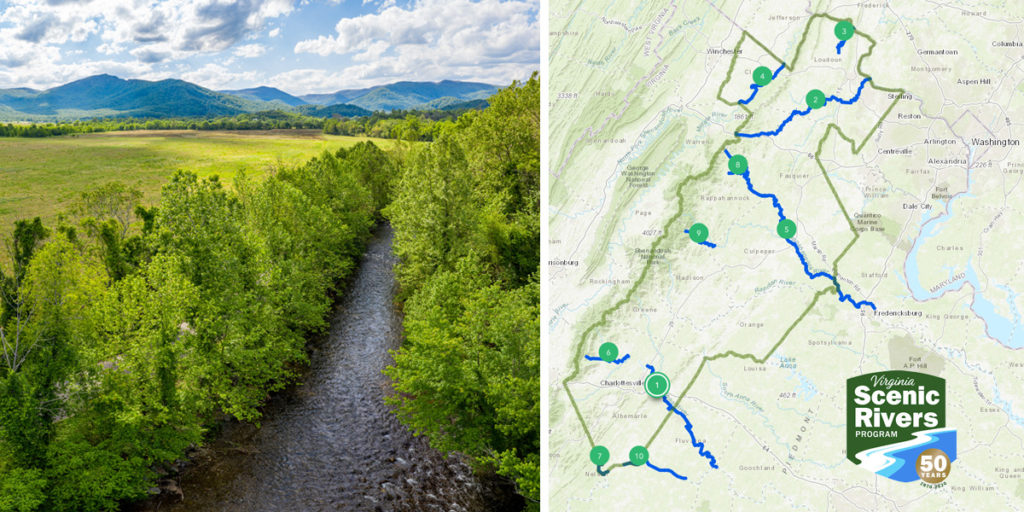
Scenic Rivers in the Piedmont – A StoryMap
In 2020, the state of Virginia commemorates 50 years of dedication and commitment to the conservation of Virginia’s water resources through the Virginia Scenic Rivers Program. In honor of that anniversary, PEC Fellowship program participants, Meredith Hickman and David Malcolm, created a StoryMap that celebrates the ten designated scenic rivers in The Piedmont Environmental Council’s region.
Capturing the Rain: Green Infrastructure Options for HOA Common Areas
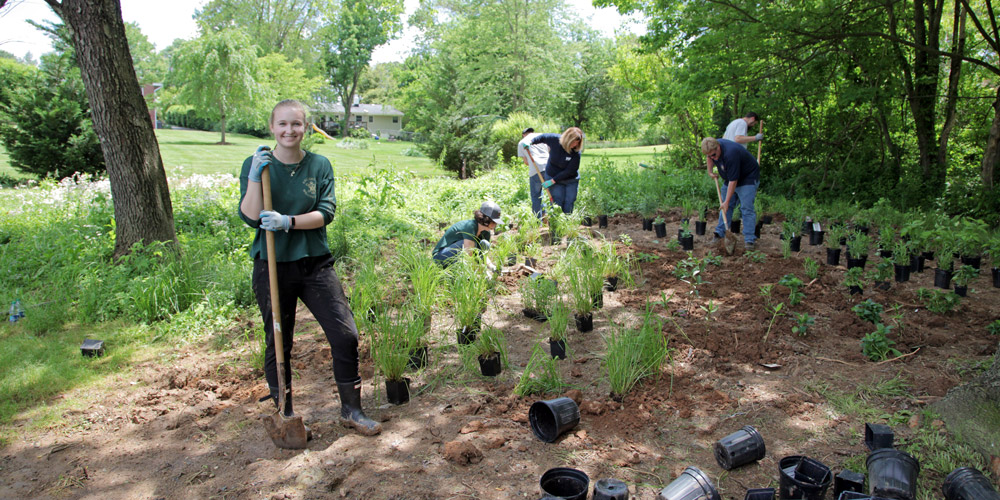
Many residents frequent common areas that are managed by homeowners associations, churches, or local governments. How these entities manage their public landscapes can have a profound effect on the health of our local ecosystems, wildlife, streams and drinking water sources. HOA’s in particular have a significant amount of common area that is often just mowed grass.
Blue Ridge to the Bay: A Story Map
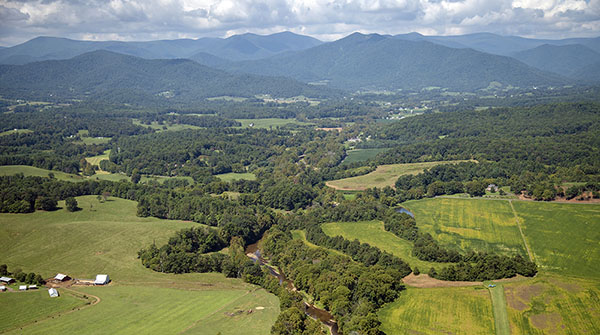
The Upper Rappahannock-Rapidan watershed is home to some of Virginia’s most productive farmland, numerous Civil War Battlefields and historic sites, intact forests, important wildlife habitat, and beautiful places to recreate.
So Many Bills, So Little Time
It is March, a time when most people eagerly await the end of winter and embrace the first signs of spring. For me, the spring also marks the end of long days and nights spent walking the halls and occupying committee rooms in Richmond. The 2020 Virginia General Assembly session concluded on March 12, and by the time you read this, we will all be awaiting Governor Northam’s response to the legislation and budget passed by both houses.