
This week: Solar policy changes go before Albemarle Planning Commission; Ice Rink proposal to go before Greene County Planning Commission
Albemarle County & the City of Charlottesville
The staff in PEC's Charlottesville office works with citizens to solve the many land use and conservation challenges facing the Charlottesville and Albemarle area.
Biscuit Run Park: First-Rate Outdoors Experiences for More People, Everyday
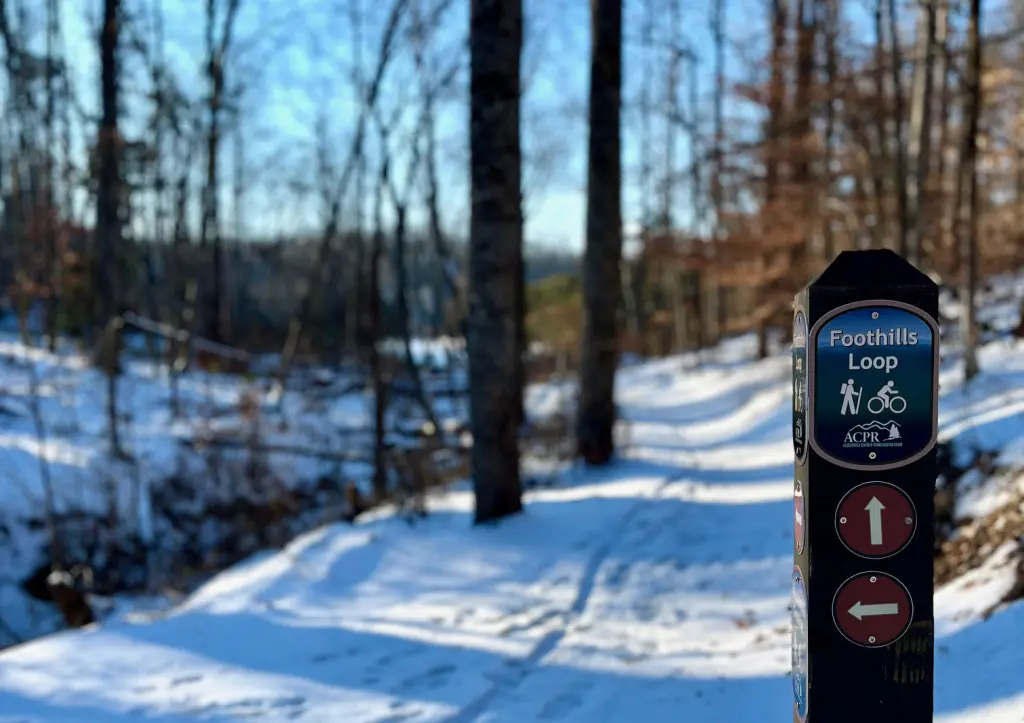
At nearly 1,200 acres, Biscuit Run is twice the size of the County’s next largest park, the Patricia Ann Byrom Forest Preserve. Apart from its enormous size and diverse ecosystems, what makes Biscuit Run Park so special is its location. It is both close to Charlottesville and in the part of the county where most of its people live. While the park itself is a work in progress, PEC is collaborating with the County and neighboring communities to make the park better connected — and more accessible — to area residents.
Albemarle County has several gorgeous local parks, as well as one of the nation’s premiere national parks: Shenandoah. Because most of those places are located in the rural area or on the county’s edges, most area residents have had to pack up and make a daytrip to enjoy these parks. That’s if they have the time and the wherewithal to do so.
Biscuit Run changes all of that.
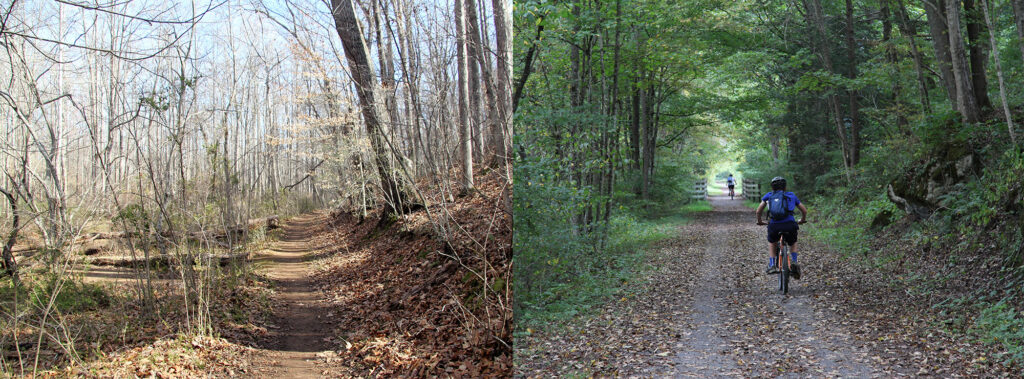
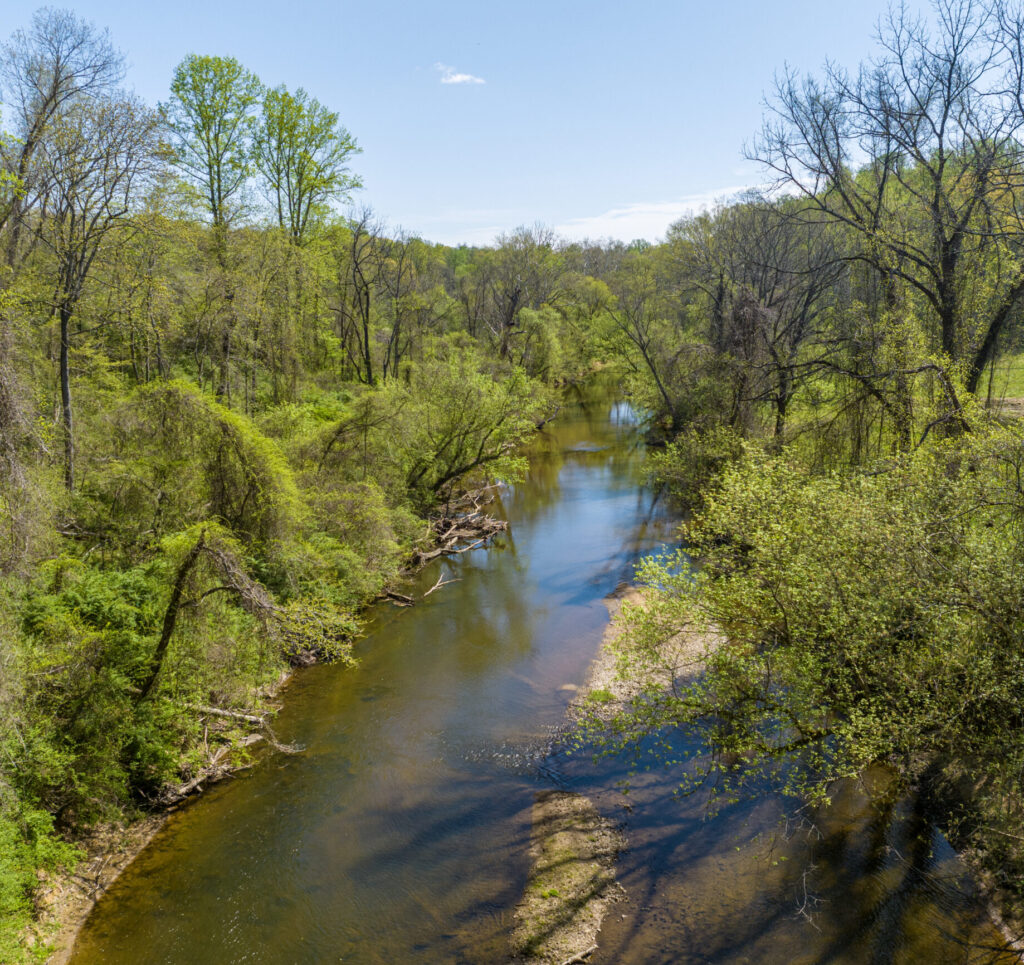
This new signature park is located in the heart of the community. Its many offerings, including seclusion, diverse habitats, more than 8.5 miles of well-marked trails, and abundant fresh air are now available to far more people within a walking, biking or a short drive’s distance. There are heritage trees, multiple streams, a pond with beavers, historic home sites and much more. These assets can now be part of people’s everyday lives.
We know that regular exercise and everyday access to nature improve our lives in myriad ways, from improving kids’ grades to lowering blood pressure to driving economic growth. We also knew that many existing parks and privately managed preserves are beginning to feel over-crowded. This vast new park can absorb many visitors, offering educational and stewardship opportunities that can bring the love of the outdoors and a sense of stewardship to more area residents, with benefits in both the present and the future.

What’s Next for the Park
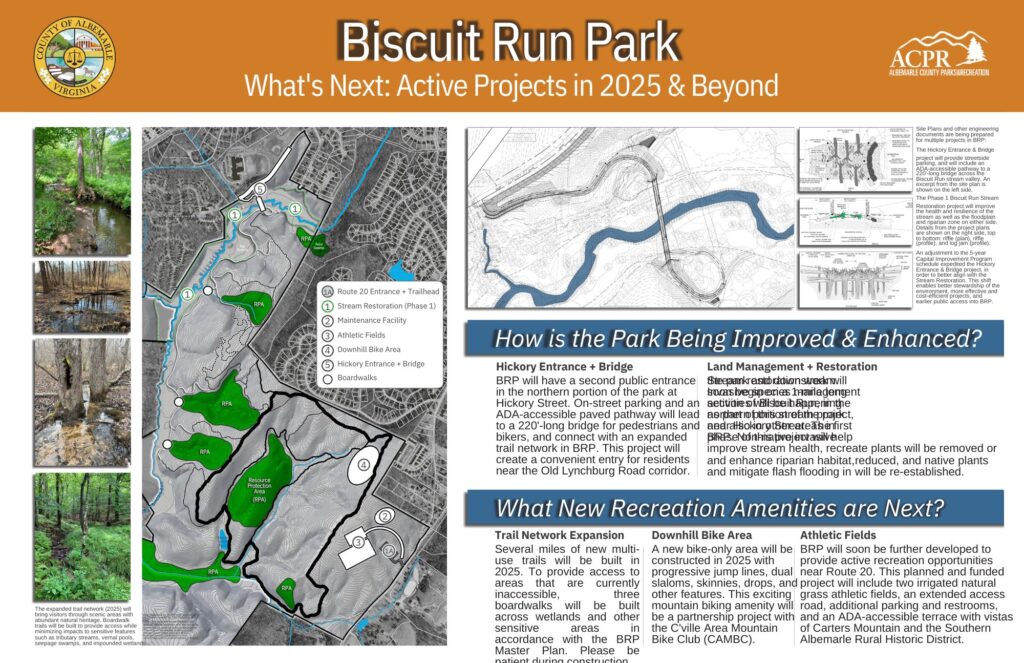
Albemarle County is taking a phased approach to developing Biscuit Run Park and will be adding recreational amenities (such as trails and a few flat fields) while also strengthening stewardship through the protection of designated natural and cultural resources.
The next phase will include basic infrastructure (like a maintenance yard and more parking), many more trails (including a mountain bike skills area), and a second entrance and pedestrian bridge close to Southwood, for which PEC and our allies fought hard and won.
At the same time, Albemarle County is undertaking an ambitious project to restore a mile of the stream valley from which the park derives its name. These projects are being done thoughtfully and intentionally to minimize disruption of vital ecosystems.
Because the underlying land is owned by the Virginia Department of Conservation and Recreation, the landscape has multiple layers of protections. Most of the park shall forever remain predominantly forest and meadows. The County must follow best practices in everything it does there (such as trail building) and it is committed to the removal of invasive species, which arrived during the decades of transition from working farm to abandonment to public park.
What we see now is only the beginning. I encourage you to spend some time reading the county’s website about the park. It’s packed with details.
What’s Next for PEC
PEC has been advocating for this park for more than 15 years and we are far from finished.
For example, we led the design of that second entrance at Southwood, with support from the Anne and Gene Worrell Foundation, plus Southwood and other area residents. Surplus funds from that grant are now being used to design a mile-long streamside greenway that will connect the trailhead to Southwoods’s future Monacan Nation Tribute Park.
PEC is also working with the County and residents of the surrounding neighborhoods to expedite the creation of walk/bike connections to the rest of the community and the wider greenway network. Our next push will be to construct a greenway path along the stream valley to connect the park to the neighborhoods downstream, including Mill Creek, Foxcroft as well as Fifth Street Station and the City of Charlottesville.
Further Advocacy is Needed
After hundreds of conversations with area residents, we are convinced that the overwhelming consensus is that they do want well-designed connections to the park and elsewhere. This is particularly true if the trails are done in a way that is both useful for getting around and if they maintain a bucolic natural setting. But it is by no means a sure thing that these connector trails will be built —– particularly the Biscuit Run Greenway. That is what we propose and we need your support.
Here are some things you can do right now:
- Sign up for our “Greenways” action alerts and email updates
- Ask the Board of Supervisors to fund better connectivity and access to the outdoors
- Support PEC so we can continue and expand this important work
We have gotten this far because, as a collective, we have been dogged in our advocacy. The County has delivered extraordinary results. But this is just the first step. Much more needs to be done.
Cville Area Land Use: Week Ahead for January 6, 2025
Albemarle Supervisors to review land use chapter in Comprehensive Plan update; Fluvanna Supervisors to consider meals tax
Cville Area Land Use: Week Ahead for December 9, 2024
Nelson Supervisors to hold public hearing on first utility-scale solar facility; Public hearing in Charlottesville for $185.7M capital improvement plan
Cville Area Land Use: Week Ahead for December 2, 2024
City Council to resume discussion on overnight parking rules; Louisa Supervisors to be asked for direction on future of household hazardous waste week
2024 Highlights: By the Numbers
PEC’s dedicated staff work relentlessly to advance land conservation, sound land use planning, the protection of natural resources and better climate and energy policy.

Conserving the Southern Shenandoah Borderlands
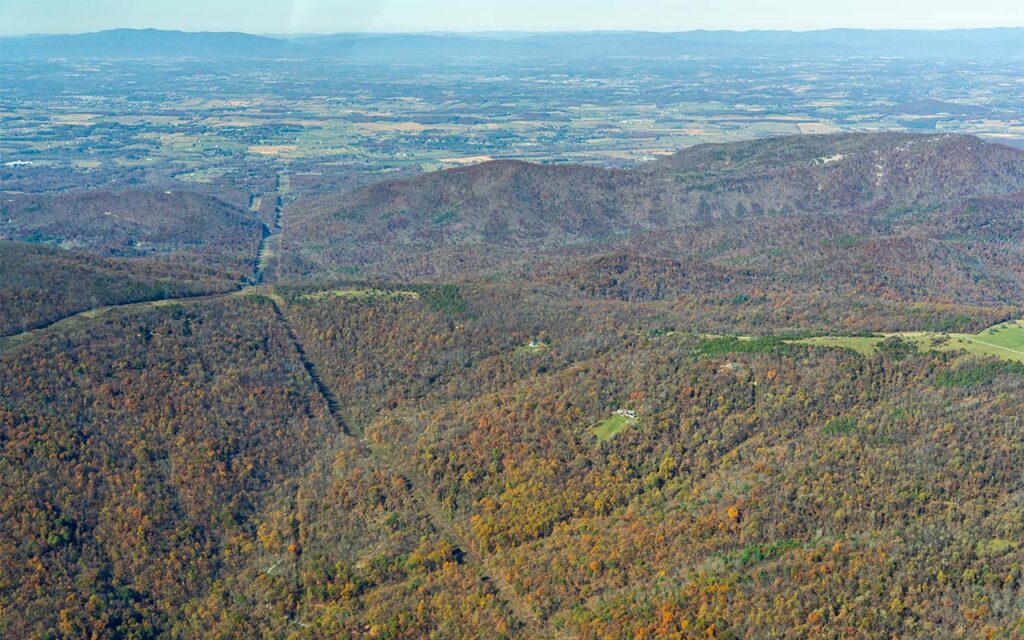
Looking out from the Moorman’s River Overlook in Shenandoah National Park, you’re treated to a breathtaking sweep of the forested, rolling foothills of the Piedmont. What’s not immediately apparent from this viewpoint is the fact that the majority of the land you see is privately owned.
On The Ground Updates – December 2024
A series of short updates from around the PEC region – Albemarle & Charlottesville, Clarke, Culpeper, Fauquier, Greene, Loudoun, Madison, Orange & Rappahannock.
AC44 Update: Dec. 6, 2024

With three AC44 meetings held in a single week leading up to Thanksgiving, its clear Phase 3 is well underway, just as we noted in our last update. Read on for a summary of some of the more concerning conversations we heard and what we’re looking forward to at next Tuesday’s Planning Commission Work Session on the Rural Area Land Use chapter.
As always, participation makes our community better. Stay tuned and share this email with those interested in engaging with Albemarle’s future and sign up for the County’s alerts to hear it from them first.
Planning Commission Work Session:
Rural Area Land Use (Actions)
Tues, Dec. 10 @ 4-5:30 p.m.
Lane Auditorium, County Office Building
401 McIntire Road
Rising Concerns
The Planning Commission and Board of Supervisors have committed to a Growth Management Policy that states, “focusing growth within the Development Areas is the best way to preserve land for agriculture, forestry, and the natural environment in the Rural Area, and to foster a vibrant mix of uses and activities with services and amenities in the Development Areas, leveraging existing infrastructure and opportunities for redevelopment, discouraging sprawl, and providing services and infrastructure in a fiscally responsible manner.”
Though PEC supports much of what is proposed regarding the growth management framework and the draft Development Areas and Rural chapters, we have serious concerns about what we’ve heard recently.
For example:
1. Forest blocks aren’t beneficial unless they are publicly-accessible.
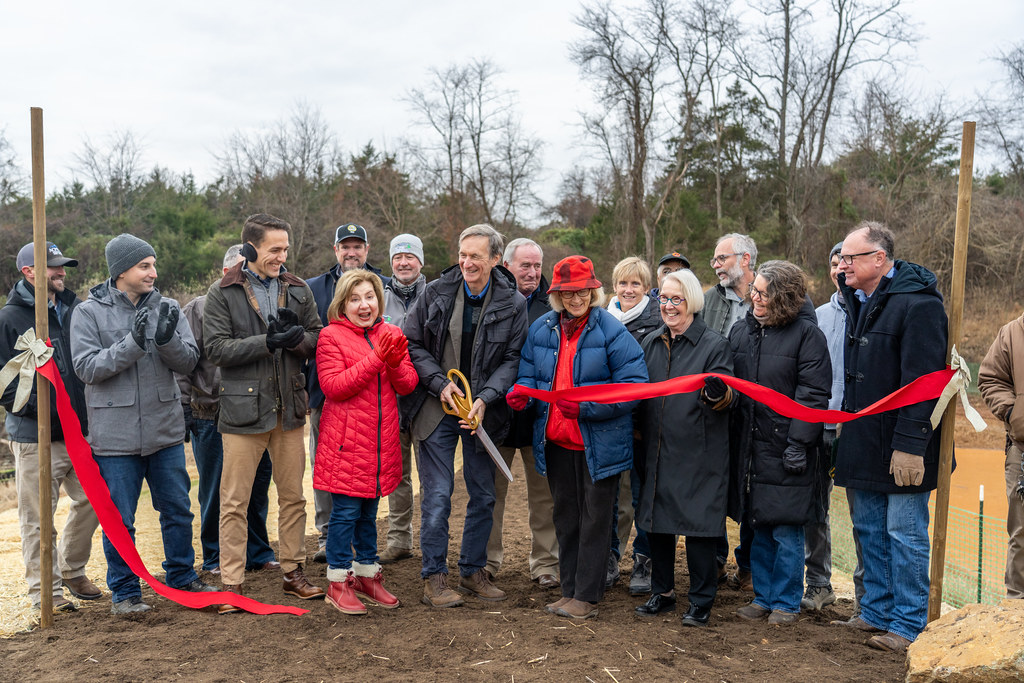
Albemarle’s rural and urban forests and tree cover sequestered over 900,000 metric tons of carbon per year for 2008-2016, roughly 60% of the average greenhouse gas emissions for Albemarle for those years. They also filter air quality, provide essential wildlife habitat, and provide climate and flood resilience. Views of forest cover and natural open space contribute to the thriving tourism industry in Albemarle County and Charlottesville, totaling nearly $1 billion annually – comparable to the estimated $1.2 billion annual economic benefit of the regional Department of Defence sector. In addition to protected private lands, PEC continues to advocate for publicly accessible open spaces for people to visit – to be seen most visibly with the opening of Biscuit Run Park Dec. 14.
2. The Development Areas may need to be expanded sooner than later in order to accommodate the projected growth of over 30,000 new Albemarle residents by 2044.
The County’s 2022 Land Use Buildout Analysis indicates that there is space available for development and redevelopment within the current Albemarle County Development Areas. We should be prioritizing and incentivizing this kind of dense, walkable/bikeable development with access to transit and open space within the current Development Areas, especially for affordable housing proposals.
3. Misconception: We should consider “transition zones” between the Development Areas and the Rural Area.
Facts: The current draft Growth Management Policy clearly states the “Development Areas and the Rural Area will have distinct boundaries, without low-density transition areas.” The draft growth management framework includes a Development Areas Utilization Review that would be undertaken every two years to ensure we unlock the capacity of the Development Areas to accommodate future growth, including for Affordable Housing.
As PEC has seen in Loudoun County, the creation of a “transition zone” between the rural and developed parts of the county, can easily lead to sprawl, traffic and air quality impacts, and threaten the natural resources that the Rural Area was created to protect. Namely, our water resources that are threatened by climate change and unchecked growth.

Dec. 10: Rural Area Land Use Planning Commission Work Session (Part 2)
The Nov. 19 Planning Commission Work Session focused on Rural Area Land Use policies. The Dec. 10 work session will be all about Objectives and Actions, or pages 7-10 of the draft Rural Area Land Use chapter. As we mentioned before, there is much we can support in the draft chapter:
- the Rural Area Land Use Approach;
- the focus on strengthening Land Conservation;
- the recommendation for the development and adoption of a Rural Area Land Use Plan into the comprehensive plan; and
- protection of rural communities.
However, like our support for the Rural Area from the beginning, many of our concerns have stayed well into this process. We are concerned that:
- focusing on potential land uses at the rural Yancy and Shadwell I-64 interchanges could lead to sprawl and traffic impacts along US250 east and west of the Yancy interchange and US250 east of the Shadwell interchange.
- The County should limit the small area plan study areas for these two interchanges to the parcels abutting and in close proximity to the interchanges.
- the County’s proposal to review and update the legacy or stale commercially zoned parcels in the Rural Area could lead to sprawl and adverse impacts to Rural Area resources and communities. These are parcels that were zoned commercial before the Rural Area zoning was established in 1980.
- The County should address land use policies for these parcels as part of the County’s recommended Rural Area Land Use Plan.
- the County’s proposal to identify land uses and potential ways to support existing businesses and services in the Rural Area. Unless driven by a rural community’s input and consensus, this approach could result in sprawl and overdevelopment.
- This proposal should be holistically and intentionally addressed as part of the County’s recommended Rural Area Land Use Plan or small area plans for rural communities.
- the County’s proposal to identify an overall acreage or maximum percentage for land conservation in the Rural Area. The County’s “how much is enough?” quantitative approach could result in missed opportunities for conserving our most important resources that support resilience and quality of life. This conflicts with the County’s own goals for conservation. This is another reason to support PEC’s initiative to strengthen Albemarle’s conservation programs through actionable steps. Supervisors will discuss this during their Jan. 8 work session focusing on the entire Rural Area Land Use chapter.
- The County should eliminate this proposal from the draft recommendation for the preparation of a Rural Area Land Use Plan.
Submit Comments:
As this is a work session and not a public hearing, there will be no opportunity for public comment, but you can still:
- Submit Comments in Writing: Public comments will be accepted in writing at the work session, or by emailing comments to [email protected] and copying [email protected] and [email protected].
- Attend the Work Session: It is important for elected officials to see that community members are paying attention to the decisions that impact them.
- Join a future AC44 lunch & learn: County staff will virtually give a brief presentation about each chapter and answer any questions. See their events page for information. Next Thurs., Dec. 12 @ noon will cover the Rural Area Land Use chapter.
We hope to see you at the meeting and hear that you submitted comments.
Upcoming Dates
- Tues, Dec. 10: AC44 Planning Commission Work Session: Rural Area Land Use (Actions) – 4 – 5:30 p.m.
- Thurs, Dec. 12: AC44 Lunch and Learn: Rural Area Land Use – Virtually @ 12 – 1 p.m.
- Tues, Dec. 17: AC44 Planning Commission Work Session: Environmental Stewardship – 4 – 5:30 p.m.
- Wed, Jan. 8: AC44 Board of Supervisors Work Session: Rural Area Land Use (Final: Entire Chapter)
- Wed, Jan. 22: AC44 Board of Supervisors Work Session: Environmental Stewardship
Thank you!
Rob McGinnis
Cville Area Land Use: Week Ahead for November 25, 2024
This week: Charlottesville’s draft capital improvement plan to go before city planning commission; Albemarle’s PC will review details of moving water protection into the zoning