
The winter 2021 edition of our member newsletter features a General Assembly 2022 Preview, Photo Contest Winners, Maddensville Historic Site Dedication, Stream Restoration Update, Meet PEC staff members, and more!
Publications
The Piedmont Environmental Council produces a number of publications — follow the links below to view PDFs of our newsletters, annual reports, Buy Fresh Buy Local guides and more.
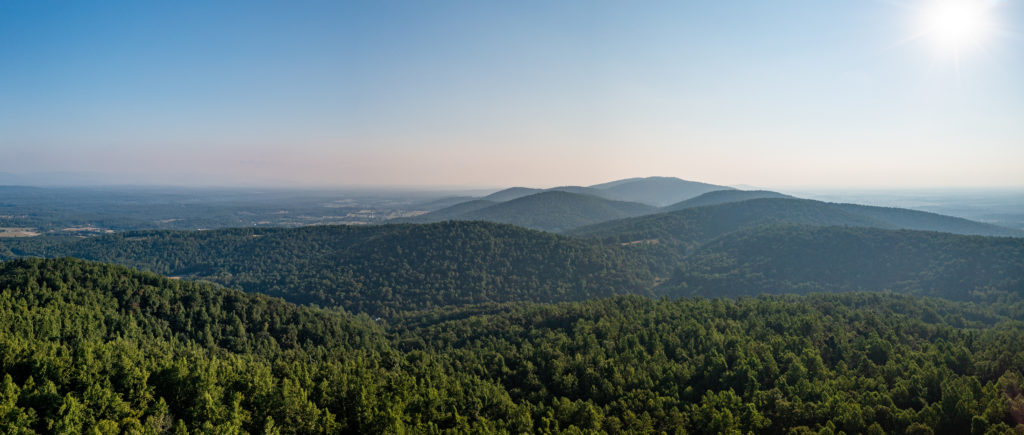
Briefing Paper: Resources for Climate Action Planning in Albemarle County
This climate action planning brief was prepared for The Piedmont Environmental Council Albemarle County board and represents insights provided by a variety of resource specialists. The goal of the paper is to provide context for climate change in Albemarle County, as well as to establish a common vocabulary and highlight specific strategic areas, such as forest and farms, with potential to inspire successful adaptation strategies.
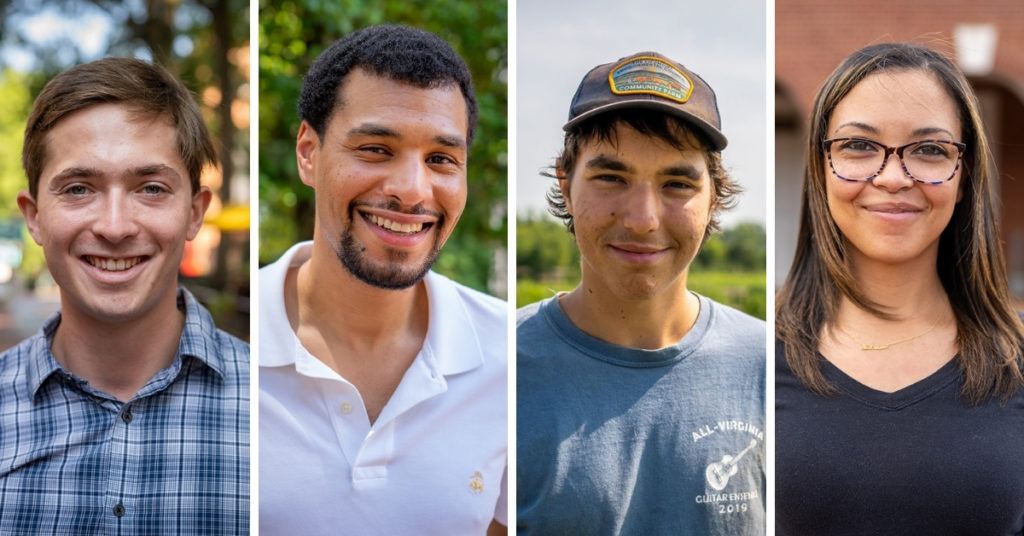
Moving the Needle
Read about the next generation making a difference in key PEC programs.
On the Ground Updates – September 2021
A series of short updates from around the PEC region – Albemarle & Charlottesville, Clarke, Culpeper, Fauquier, Greene, Loudoun, Madison, Orange & Rappahannock.
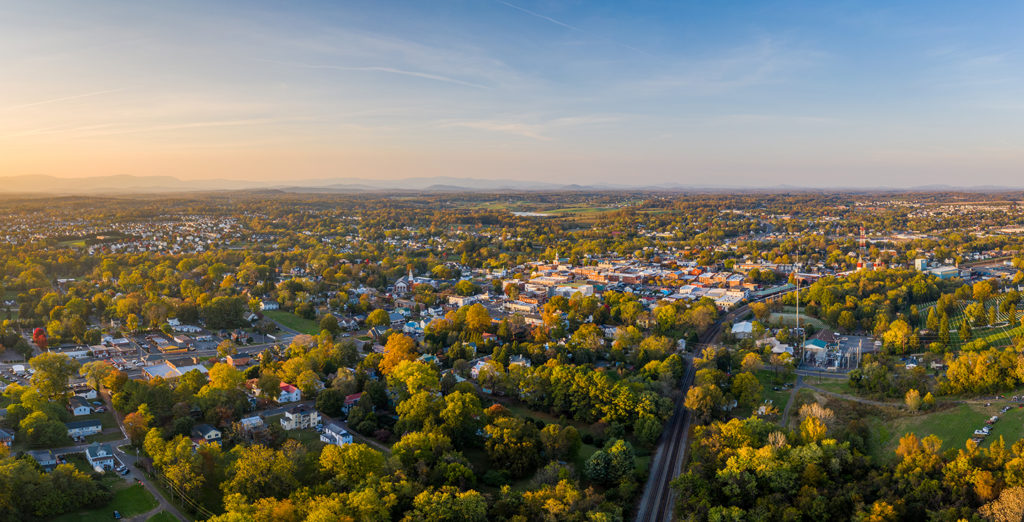
President’s Letter – Fall 2021
The past few months have laid bare before us some of the dramatic effects of the changing climate conditions in which we live. The intense storm events, devastating floods and hot, extended summers that continue to impact our community make it clear we need to plan for the future. The pressing question is how each of our communities, individually and collectively, do that, accounting for the changes already underway and taking steps to reduce, mitigate and adapt to their impacts. As PEC works with local and regional partners, we continue to integrate the changing climate into our long-range planning and are helping ensure that our communities and growth areas are prepared with strategies to respond.
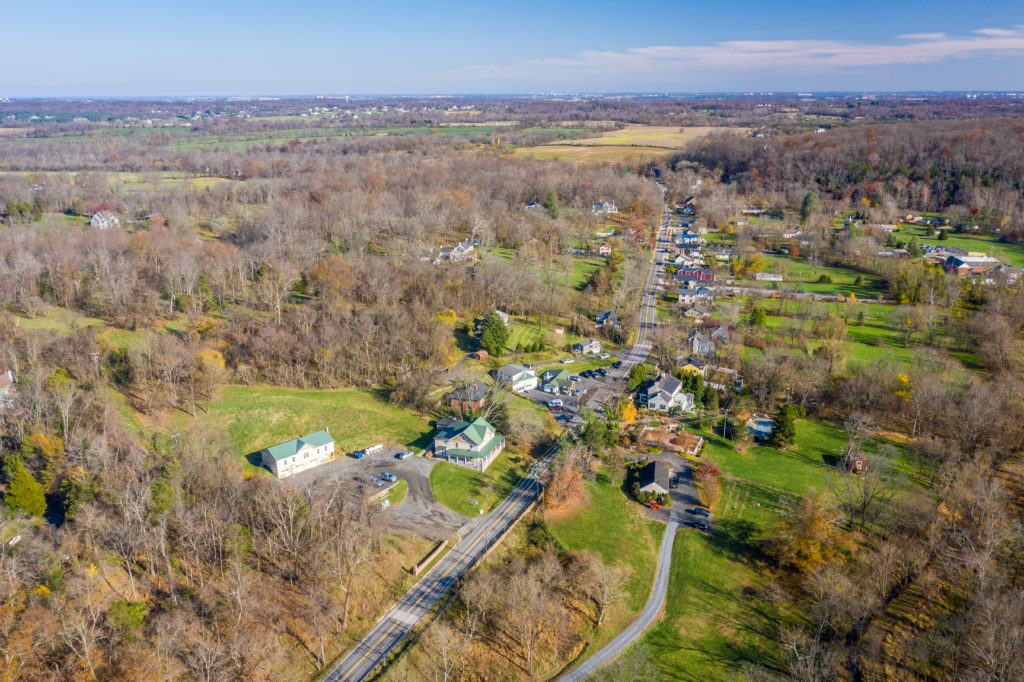
A Voice for Historic Villages
Over the last year, the future of two of Loudoun’s historic villages, Aldie and St. Louis, have been linked in uncertainty. In an attempt to protect St. Louis’ fragile water sources and remaining historic features from an impending development, the Loudoun Board of Supervisors proposed a multi-faceted real estate transaction that would, essentially, move the developer from St. Louis to county-owned land in Aldie that the developer wanted to build upon. The result was upheaval in both places as residents objected to the Aldie development and the linkage that threatened each community’s unique qualities.
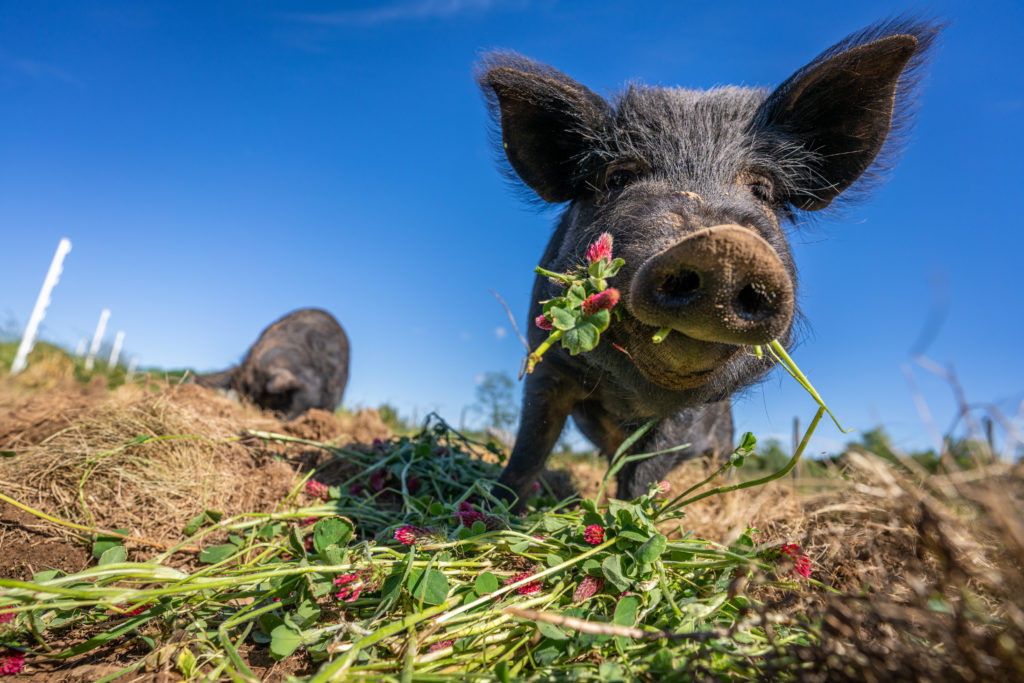
Summer at PEC’s Community Farm
Our Community Farm at Roundabout Meadows ushered in its third growing season this spring and welcomed hundreds of volunteers through its gates. As we all continue to grapple with the Covid-19 pandemic, the Community Farm has served as an inspiring gathering place for community members to enjoy nature, give back and socialize with neighbors (in a safe manner!).
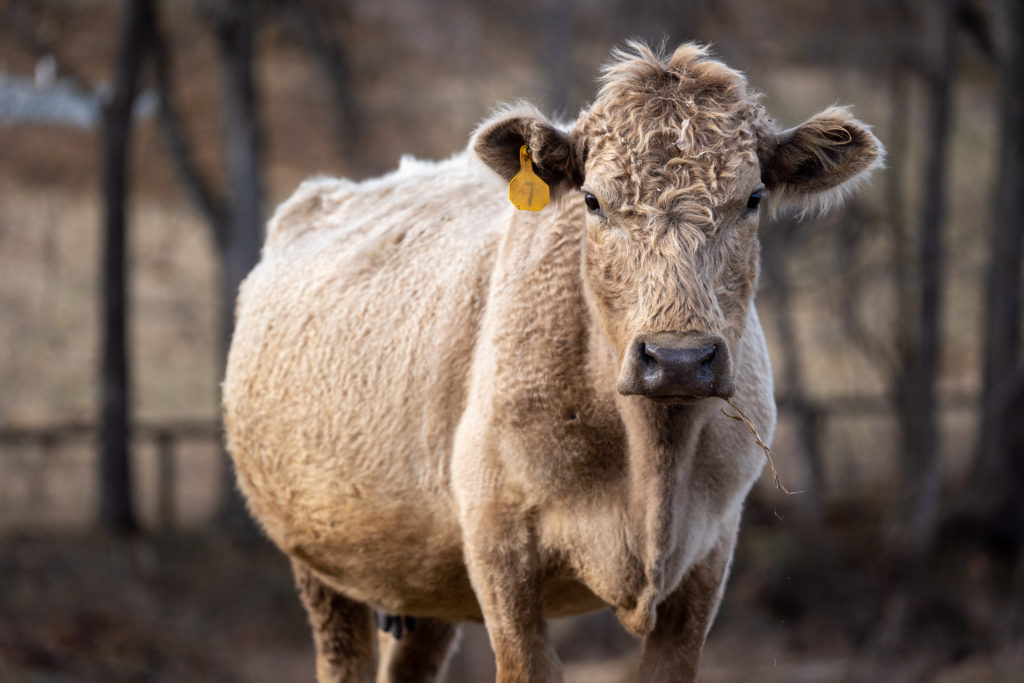
PEC Study Seeks to Aid Local Meat Processors and Farmers
Aided by Virginia’s northern Piedmont climate, pasture conditions, and open space, raising beef cattle has become one of the region’s dominant agricultural land uses. Cattle farming contributes enormously to the local economy, quality of life and vitality of all the region’s communities, and the growing retail market for beef may even represent one of the best models for sustaining the success of the area’s small farms. Over the past year, that market has been simultaneously enhanced and challenged by pandemic-related supply problems.
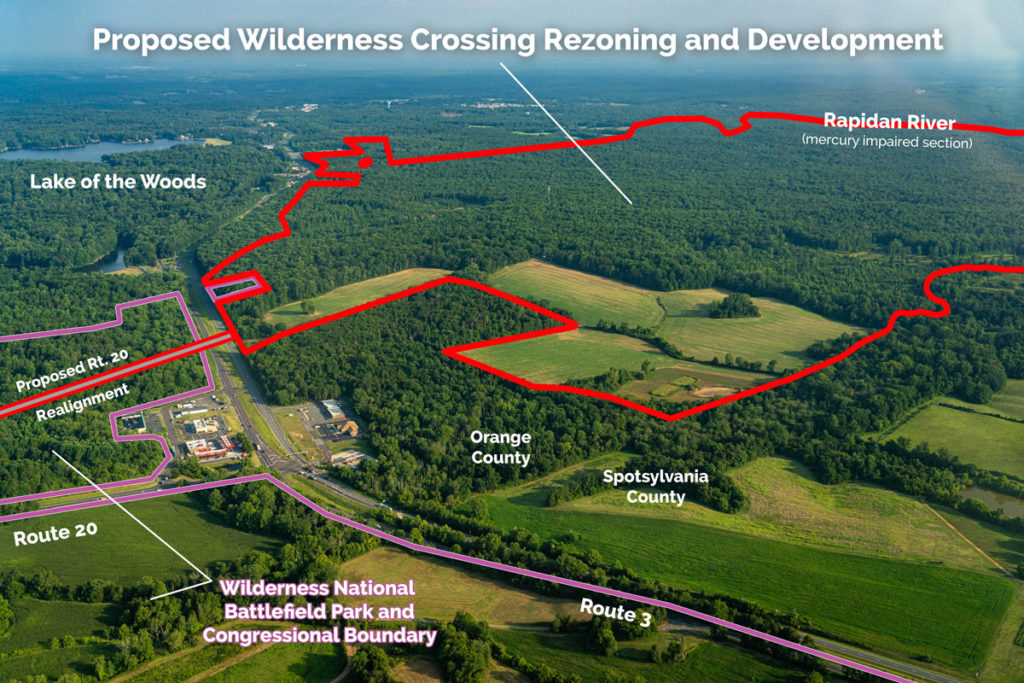
The Trouble with Wilderness Crossing
When it comes to policies and decisions that impact communities and quality of life for their residents, the most important voices are those of community residents themselves. And since 1972, The Piedmont Environmental Council has worked hard to be your eyes and ears on the ground and to encourage your voice in protecting the places and natural resources you care about.
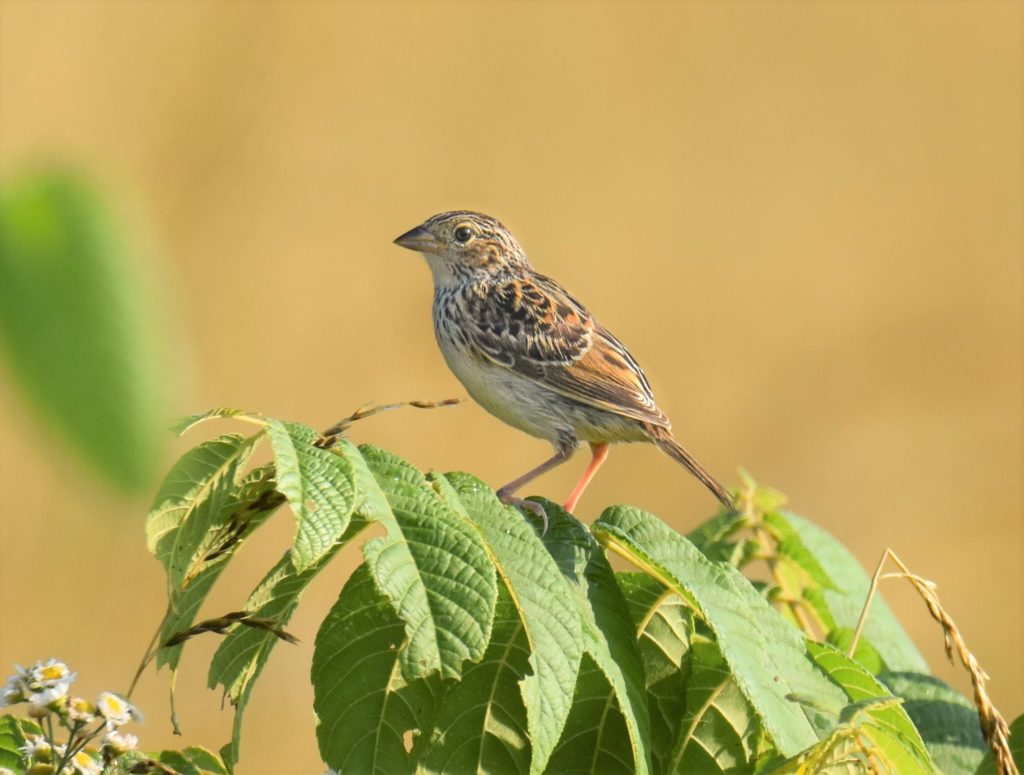
An Introduction to Grassland Birds
PGBI Coordinator Justin Proctor shares his experience researching grassland birds.