
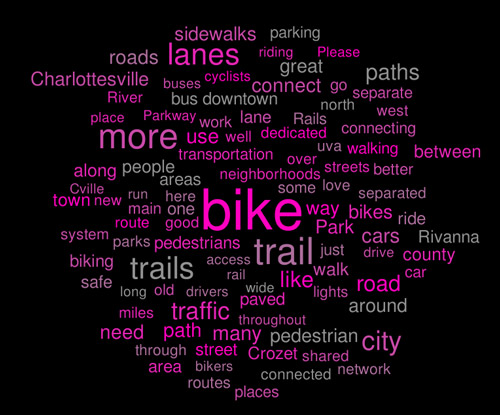
As part of of our extensive community engagement, we created a survey to better understand residents’ ideas about desirable places to walk, ride or run for transportation and exercise. We also asked about the barriers they face and solicited their suggestions for a better-connected community.
Our Work
Safeguarding the landscapes, communities and heritage of the Piedmont by involving citizens in public policy and land conservation. Learn more about our work by browsing the subject areas below and find out how to get involved!
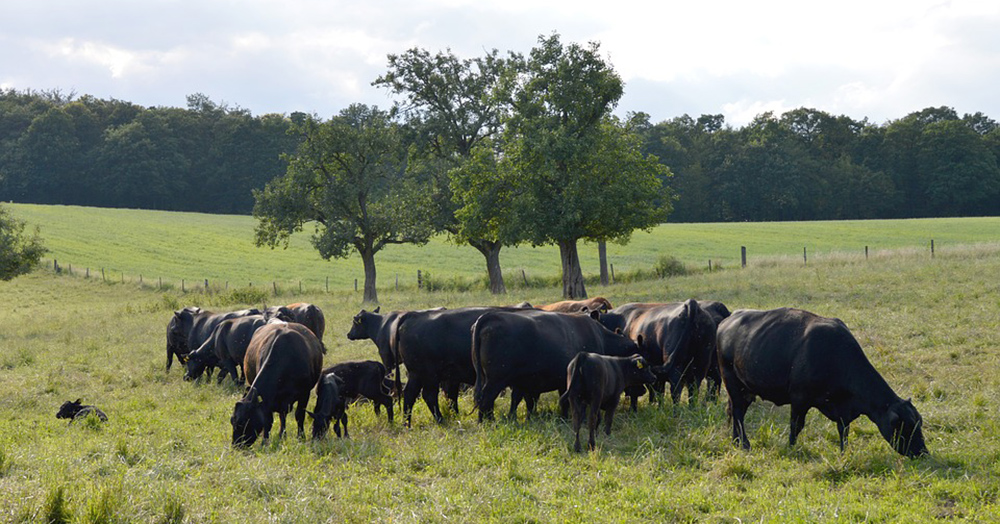
Piedmont Beef Survey
PEC is working with Health Care Without Harm (HCWH), a regional non-profit that encourages large institutions like hospitals and universities to purchase locally-raised beef. The purpose of our study is to better understand beef production in the Piedmont and producers’ interest in connecting with a consistent wholesale market.
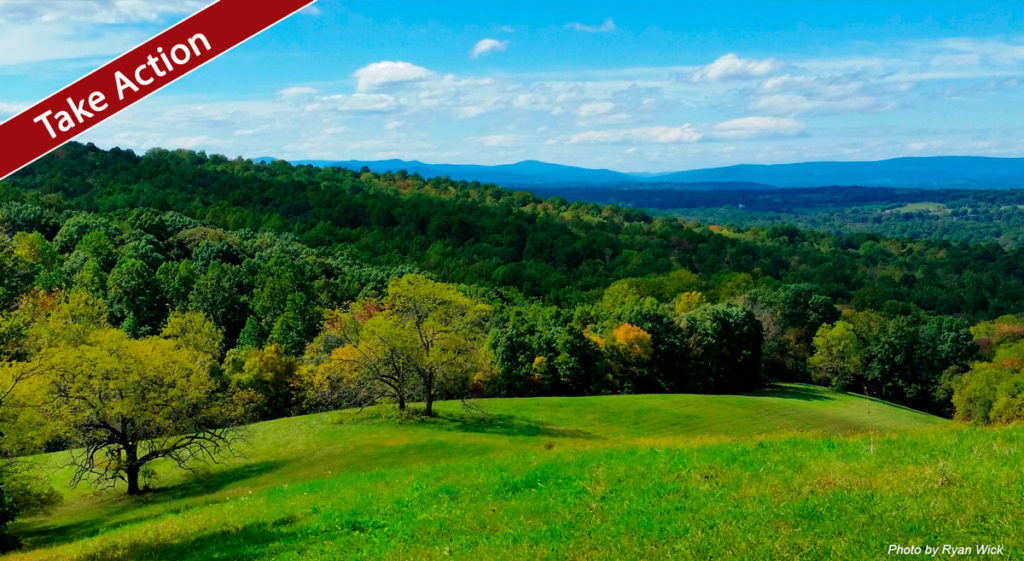
Two Fauquier County Budget Items to Support
There are two issues in particular that we would like to see addressed in the FY 2020 budget that are both long overdue. The first is Rappahannock Station Battlefield Park – Phase I which was not completed in 2018 as proposed in the 2018-2022 Capital Improvement Plan. The second is the creating of a full-time zoning inspector position within the Community Development department.
Tips for Providing Winter Wildlife Habitat
Winter can be tough on all of us, including our native wildlife. During the freezing temperatures and heavy snowfalls, we can swing by the grocery store before a winter storm and stay cozy in our warm homes. But wildlife are out in the harsh weather, trying to survive the season with dwindling resources.
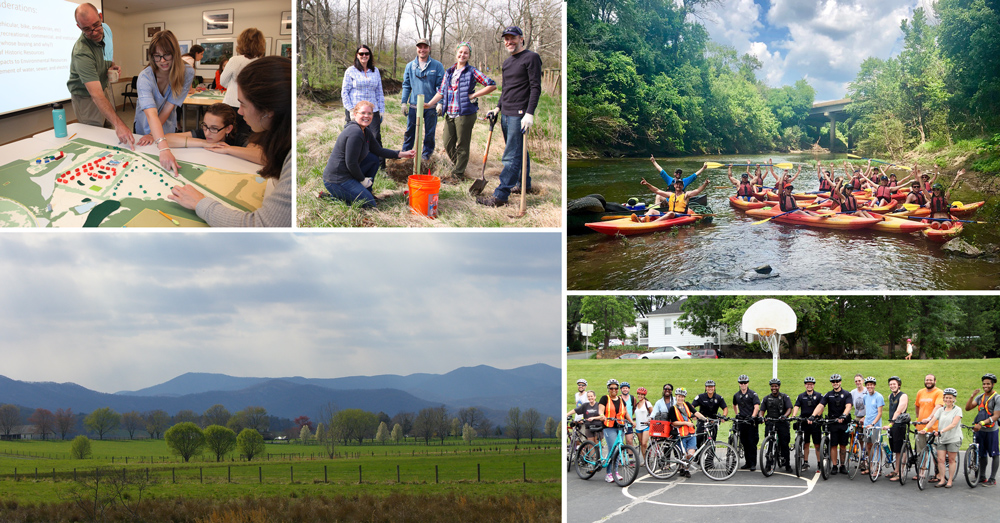
A Few Highlights from 2018
Through the generous support of our members and help from PEC’s partners, a lot of great things have happened this year! We’ve pulled together this quick list of some of the highlights from 2018 throughout our 9-county region.
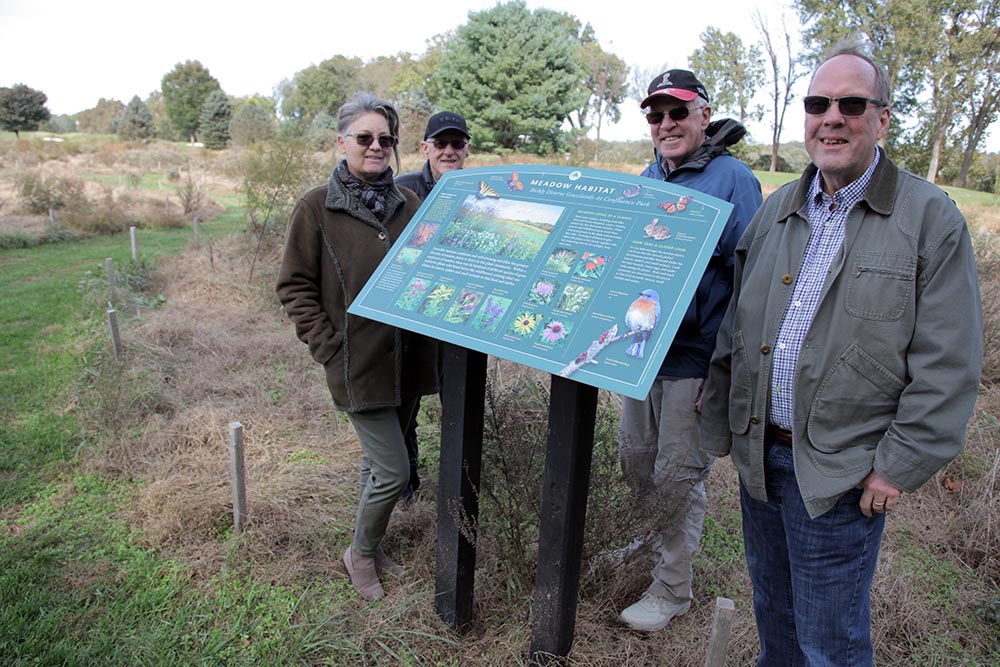
Common Space for the Greater Good
Over 60 percent of Loudoun residents, live in a Homeowners Association-controlled community. How these communities manage their landscapes can have a profound effect on the health of our local ecosystems, wildlife, streams and drinking water sources.
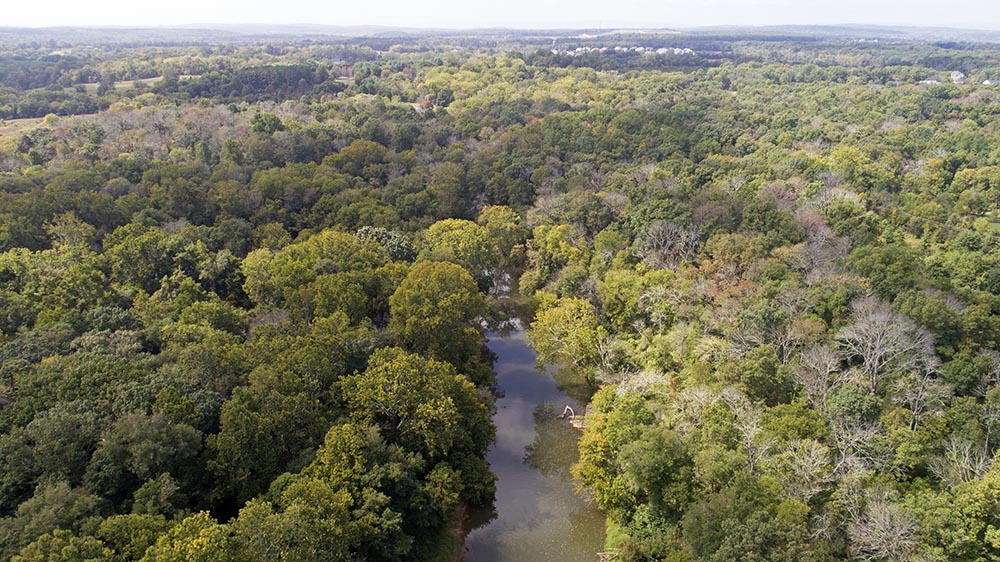
Protecting the Goose Creek Watershed
PEC was recently awarded a $15,600 grant from the Virginia Environmental Endowment to further our work identifying and prioritizing opportunities to implement agricultural best management practices (BMPs) and strengthen efforts on land protected by conservation easements in the Goose Creek watershed.
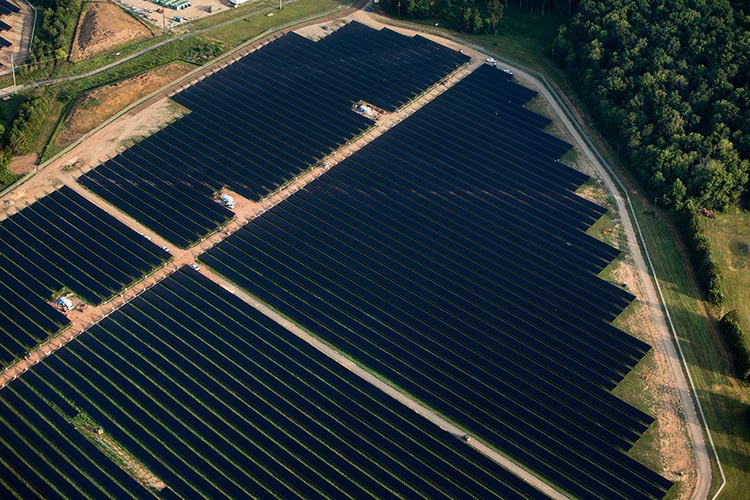
On the Ground — Winter 2018
Updates from the around the PEC region, organized by county. Albemarle: Strengthening growth management in Albemarle. Clarke: Promoting and celebrating Conservation. Culpeper: A Finger on the Scale for Solar. Fauquier: Updated Plans, Remington Walks and Vint Hill’s Future. Greene: Greene at a crossroads. Loudoun: Choosing our future. Madison: Trout Stream Restoration Continues. Orange: Two Farms Conserved along the Rapidan River. Rappahannock: Community-wide Conservation Success!.
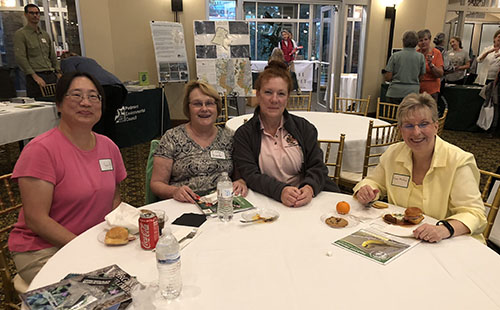
Loudoun HOA communities share and discover practical steps for healthier landscaping
The second Homeowners Association (HOA) forum, “Common Space for the Greater Good,” was held on October 11, 2018 and attended by nearly 100 guests representing 33 HOA communities.
“Practical Steps for Healthier Landscapes” was the second installment of Loudoun HOA programs organized by The Piedmont Environmental Council (PEC) and partners. This forum was co-hosted by Loudoun Wildlife Conservancy (LWC), the Northern Virginia Partnership for Invasive Species Management (NoVA PRISM), and the Virginia Department of Game and Inland Fisheries’ Habitat Partners© Program (VDGIF).
Building Strong Rural and Urban Communities
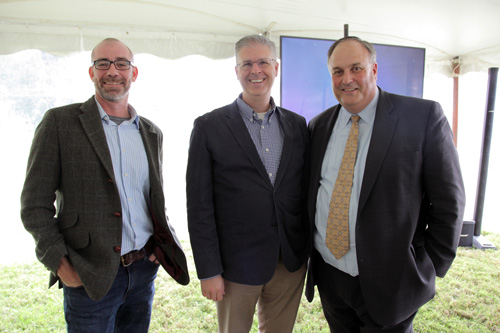
Drawing over 150 attendees, PEC held their Annual Meeting on October 21 at historic Castle Hill Farm in Keswick. First Lady of Virginia Pamela Northam was in attendance and spoke about the importance of conserving lands in the state. Following the First Lady’s remarks, keynote speaker Charles Marohn, President and Founder of Strong Towns, delivered the keynote address.