

It’s been about a month since the public hearings on the 2019 Loudoun Comprehensive Plan, and it’s time for another quick update.
Our Work
Safeguarding the landscapes, communities and heritage of the Piedmont by involving citizens in public policy and land conservation. Learn more about our work by browsing the subject areas below and find out how to get involved!
Support a More Connected Cville/Albemarle
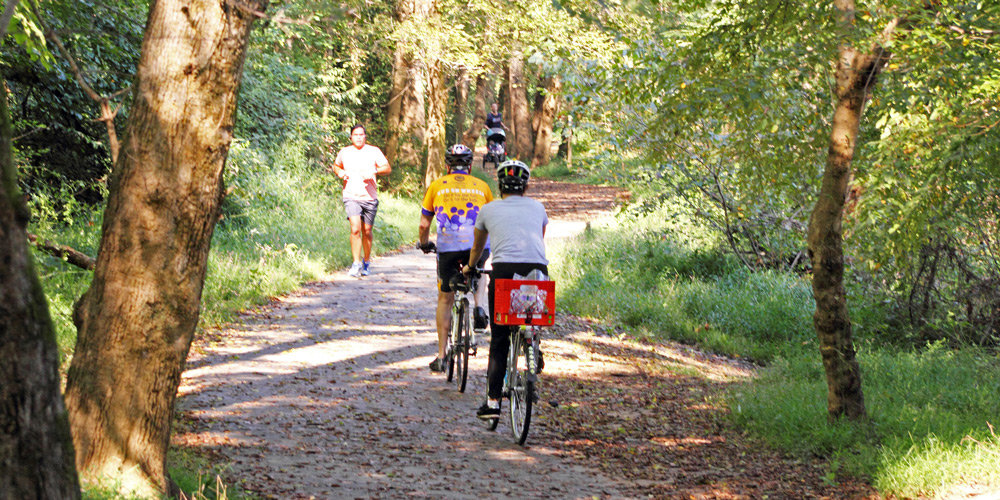
The Jefferson Area Bicycle and Pedestrian Plan is an important milestone! It maps a comprehensive network of bike lanes, sidewalks, and shared use paths that connect Charlottesville and Albemarle neighborhoods to schools, shopping, downtown and natural areas while also identifying bicycle connections to and among adjoining counties. Add your name or business/organization to our letter of support!

Train, bus, or something new? Australian professor talks Trackless Trams
As the population of Albemarle and Charlottesville continues to rise, a world-renowned professor of sustainability is encouraging us to imagine how a new generation of mass transportation could help create even better places to live.
Action Alert: Crunch Time for Loudoun 2040
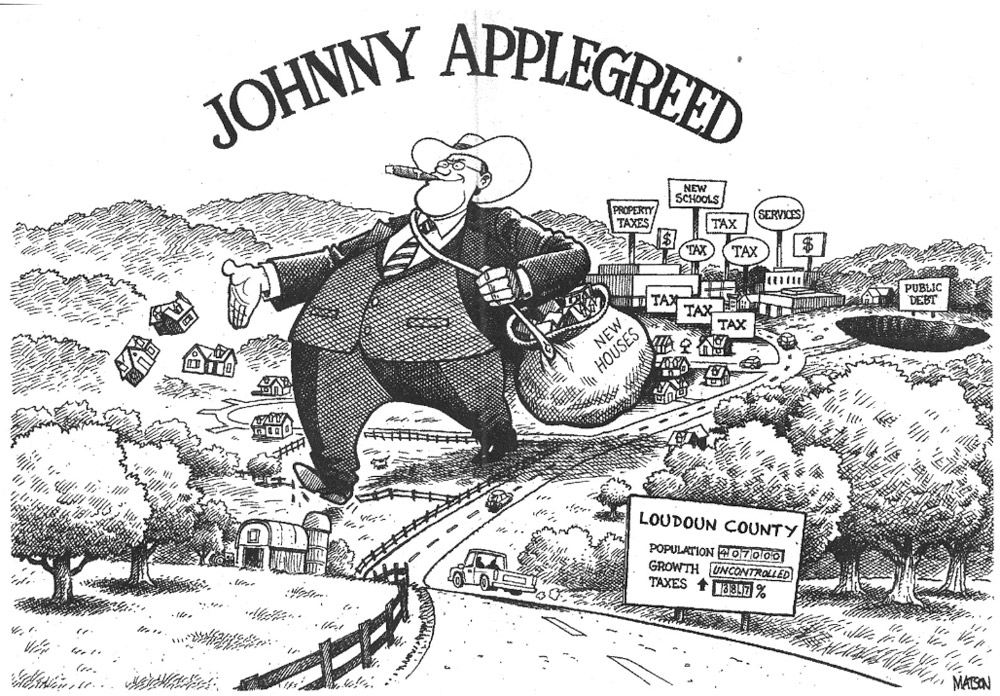
In late March, the Loudoun Planning Commission voted to send the draft Comprehensive Plan (a.k.a. Loudoun 2040) to the Board of Supervisors for review and action. Unfortunately, the current draft plan reads like a speculative real estate developer’s wish list — and the increased scattered residential development would come at the expense of existing residents.
It’s time for Loudoun residents to speak up and weigh in with the Board. There are important public hearings coming up in April and letters/emails/calls to the Board can start going in right away.
Loudoun 2040: More of the Same or a New Path Forward?
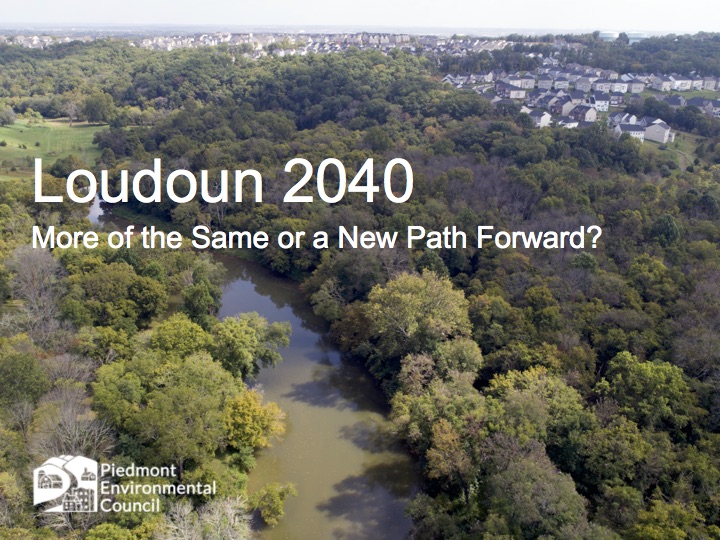
The draft Loudoun 2040 plan outlines how and where the County intends to grow and how it plans to protect its natural and historic assets. Check out this blog post to learn more about what’s in the draft plan and what you can do to weigh in with the Loudoun Board of Supervisors. View slides/graphics from our spring 2019 community meeting presentations.
Action Alert: Board of Supervisors to Consider Loudoun 2040
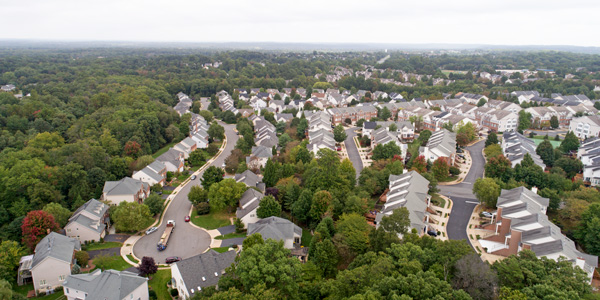
On Tuesday, March 26, the Loudoun Planning Commission voted to send the draft Comprehensive Plan (a.k.a. Loudoun 2040) to the Board of Supervisors for review and action. Up until now, voices advocating for more residential growth have disproportionately influenced the draft.
It’s time for Loudoun residents to take back the process and be heard by the Loudoun Board of Supervisors. There are important public hearings coming up in April and letters/emails/calls to the Board can start going in right away.
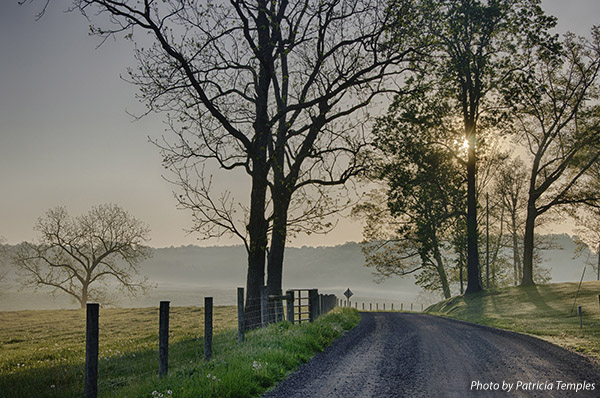
“Rural Resort” Ordinance Amendment Proposed in Madison County
This coming Wednesday, April 3rd at 7pm, the Madison County Planning Commission and Board of Supervisors will hold a joint public hearing to consider a change to its zoning ordinance. If adopted, the change would allow “rural resorts” as a special use in agriculturally zoned areas. Update: the proposal was tabled at the April 3 meeting and there is time to weigh in prior to May 1, 2019.
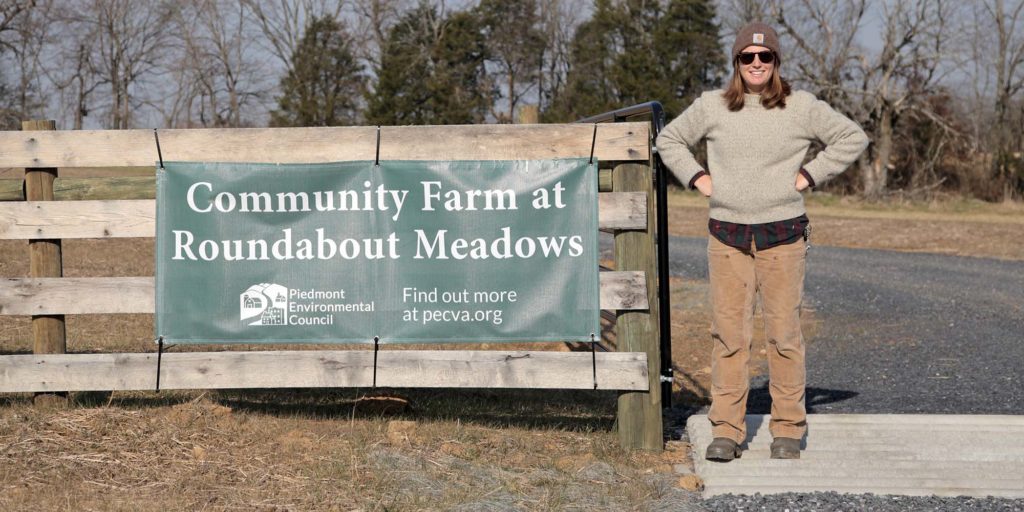
Let There Be Fruits and Veggies
The Piedmont Environmental Council’s Community Farm at Roundabout Meadows was founded with two ideas in mind: to connect residents to Loudoun’s vital agricultural economy and to provide locally grown fruits and vegetables for its food-insecure families.
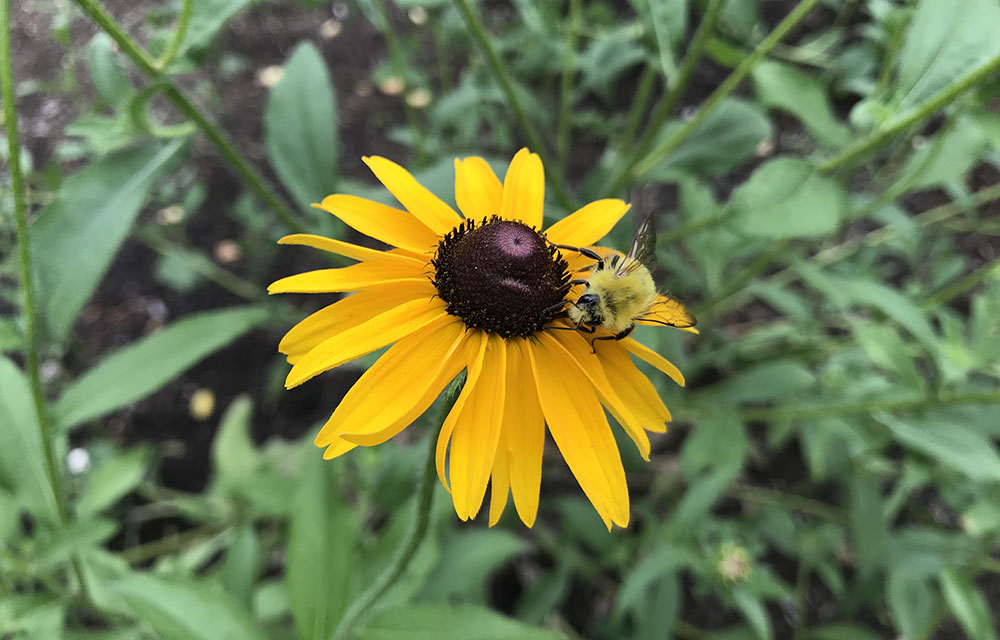
What’s That Pollinator?
It’s the time of year when butterflies and bees are starting to flutter around the Larson Native Plant Garden at PEC’s Warrenton office. Last spring, we began studying those fluttering insect pollinators, and have some initial data to share with you.
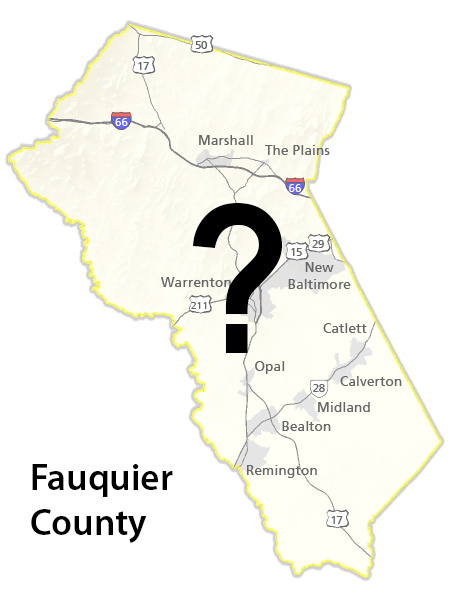
On the Ground — Spring 2019
Updates from around the PEC region, organized by county. Albemarle: Housing and Connectivity. Clarke: Water Quality and Conservation Luncheon. Culpeper: White Farm Conserved and PDR Program. Fauquier: Transportation Fixes and New Cell Tower Regulations. Greene: Putting Stanardsville on the Map. Loudoun: Trails, Comprehensive Plan, Roundabout Meadows and Easement Program. Madison: Planning Commission Tackles Utility-Scale Solar. Orange: Healthy Watershed Pilot Program. Rappahannock: Rappahannock County Park: Attacking Invasives and Planting Natives