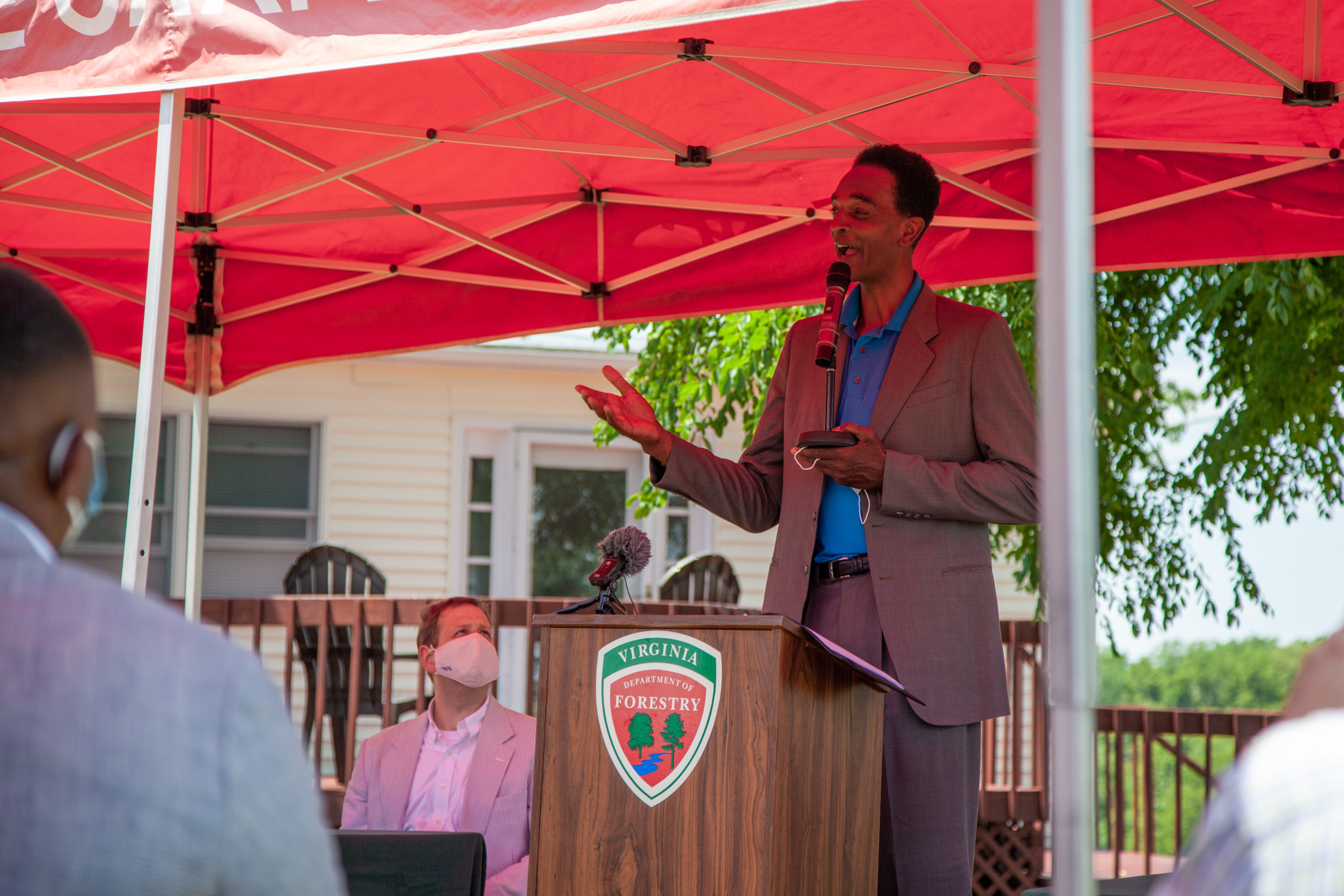
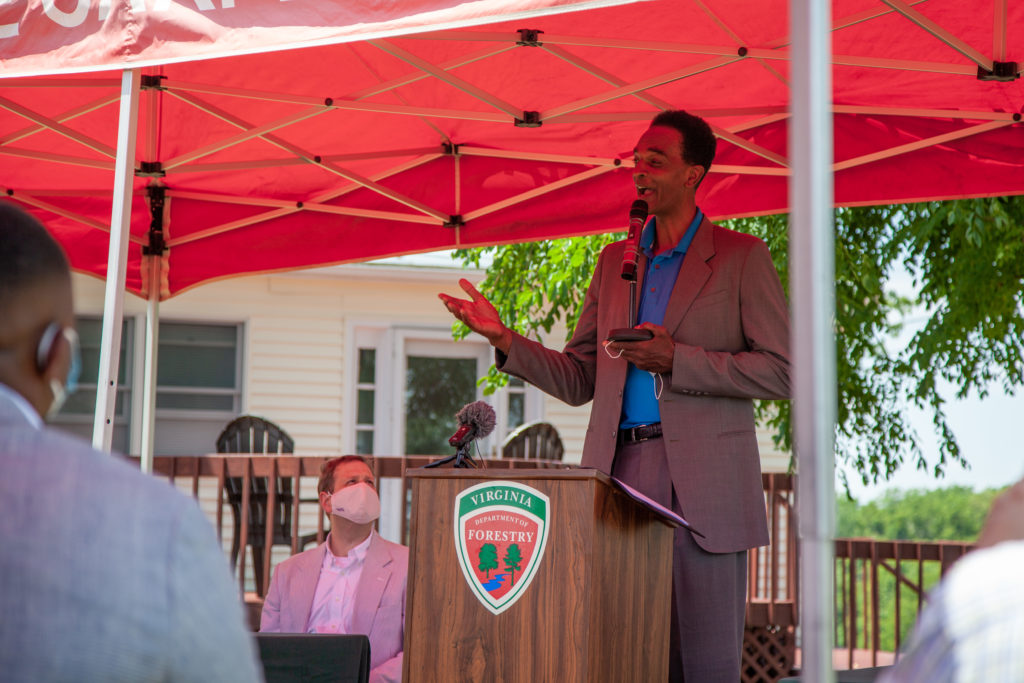
In 2020, Virginia proudly became the 16th state to pass the Uniform Partition of Heirs’ Property Act.
Publications
The Piedmont Environmental Council produces a number of publications — follow the links below to view PDFs of our newsletters, annual reports, Buy Fresh Buy Local guides and more.
Standing the Test of Time
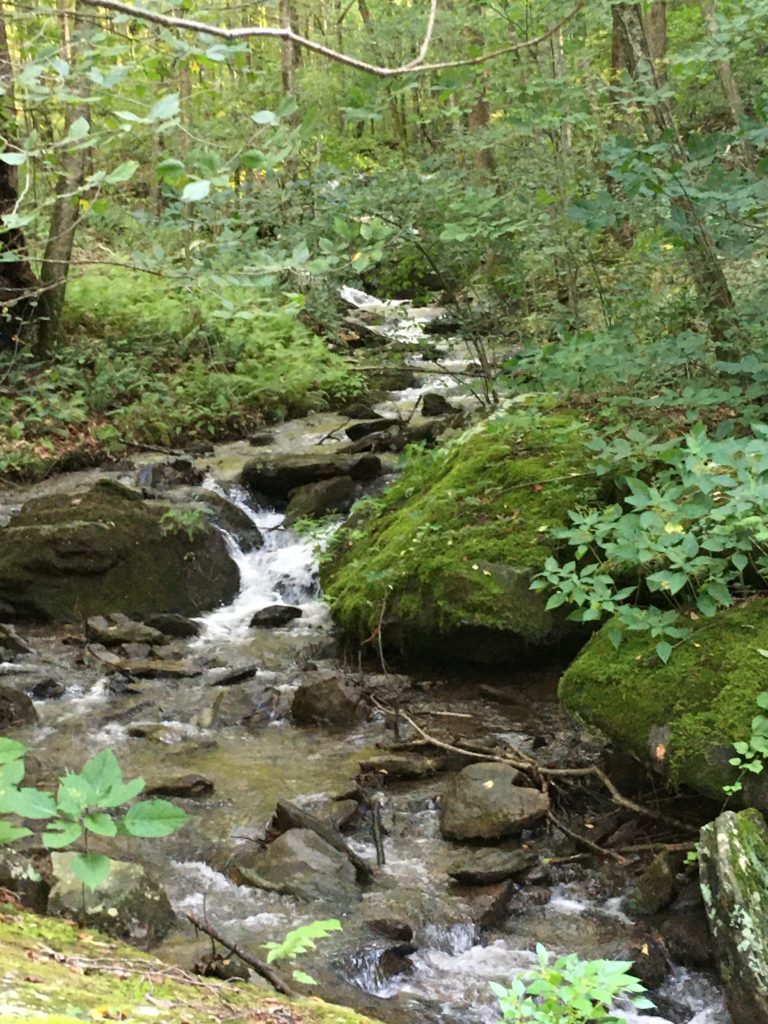
When Bob and Carroll Gilges retired in 1996 from a life filled to the brim with the adventures and demands of career, raising three daughters, travel, and many moves, they found their slice of heaven in the heavily wooded northern slope of Buck’s Elbow Mountain, mere miles from Shenandoah National Park and along the bank of the Moormans River in Albemarle County’s historic Sugar Hollow and near White Hall.
Fall 2020 Newsletter
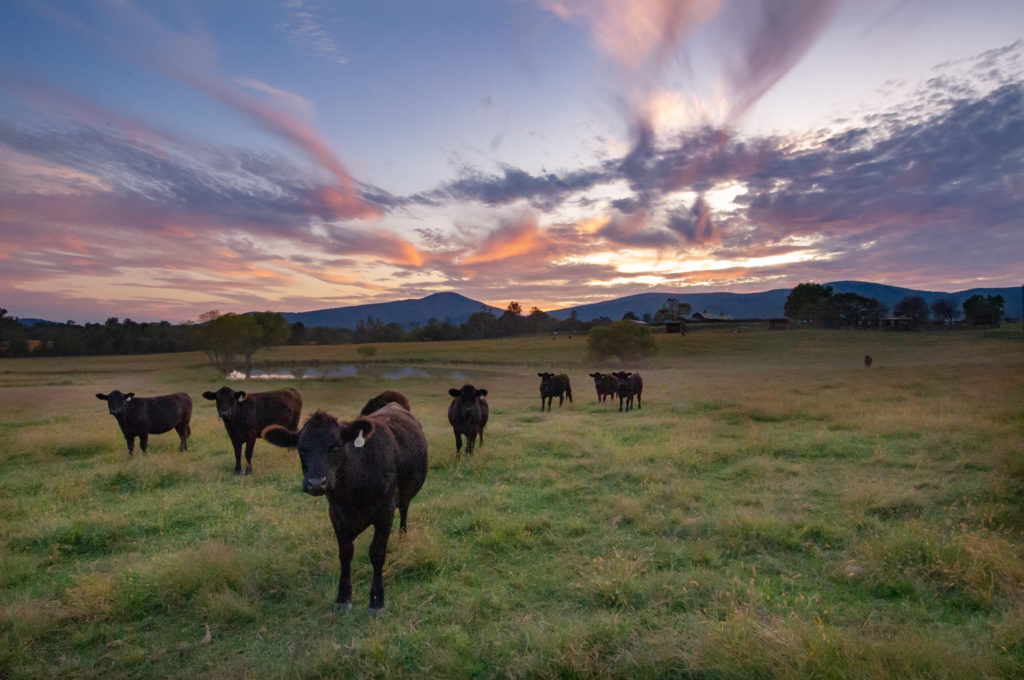
The fall 2020 edition of the Piedmont View was mailed out to PEC members in September.
Piedmont View Newsletter Archive
View the PDFs of past editions of PEC’s quarterly member newsletter, The Piedmont View.
Many Ways to Give
Supporting PEC’s work building strong communities and improving the environment in the Virginia Piedmont can take many forms. In addition to gifts of cash or securities, which are most common, you may also be interested in the following opportunities:
Welcome 2020 Fellows!
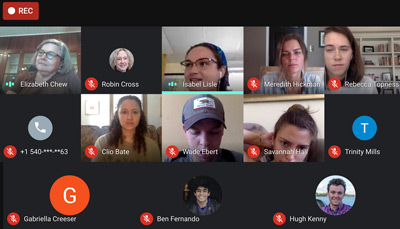
Our 2020 Fellowship program is going digital this summer. Eleven college students from around the country are participating in our 14th annual PEC Fellowship Program.
President’s Letter – Summer 2020
With so much going on around us that we cannot control, doing what we can to make our part of the world better becomes all the more important.
This past spring, our staff made a quick and orderly transition to remote work, operating off a solid platform of online resources, laptops, smartphones, and most importantly, a network of partners and relationships that allow us to be effective observers and active participants in our communities. Continuing full operations, with the support of PEC members and our Board, has provided a remarkable and deeply appreciated source of stability in an otherwise crazy world.
Strengthening Local Food Systems
Early one May morning, a Maola Dairy delivery truck took an unusual turn through the gates and into the parking lot of the Fauquier Community Food Bank. Nearby, Director Sharon Ames’ excitement was palpable as she jumped up and down, hands clapping, smile as wide as the gates swung open that day. Since the coronavirus pandemic, Ames said the food bank has had to turn away families in search of milk more often than they’ve been able to provide it.
Pushing for Transparency
Obviously, a lot has changed since March, when you last received a copy of the Piedmont View. Soon after, shut-down orders went into place and, like me, you might have felt like you were trapped in a bad episode of The Twilight Zone. Suddenly, any trip outside of the house came with a risk analysis. Adjustments like teleworking, or worse, changes in employment status, disrupted normal routines. Things we may have taken for granted, like access to schools and daycare, visits with elderly relatives and yes, even toilet paper, were off the table. Clearly, these have not been normal times. But that wasn’t always evident looking at local government agendas.
Planning for Access
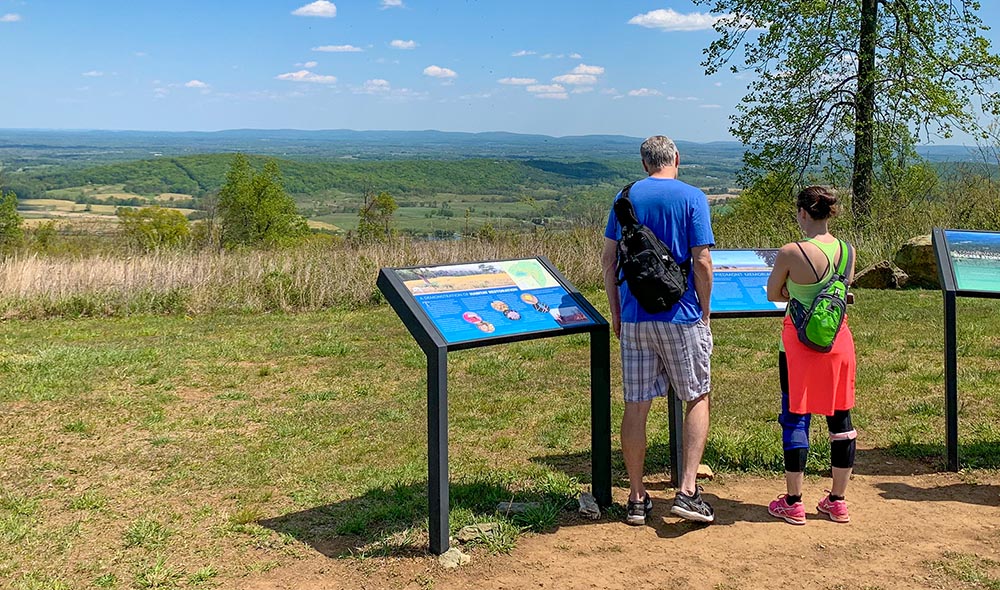
As the onset of Covid-19 social-distancing coincided with beautiful spring weather, many Piedmont residents turned to natural areas, parks, trails and even rural roads, enjoying what we all know to be certain: these places sustain us, provide respite and serve as our oasis.