
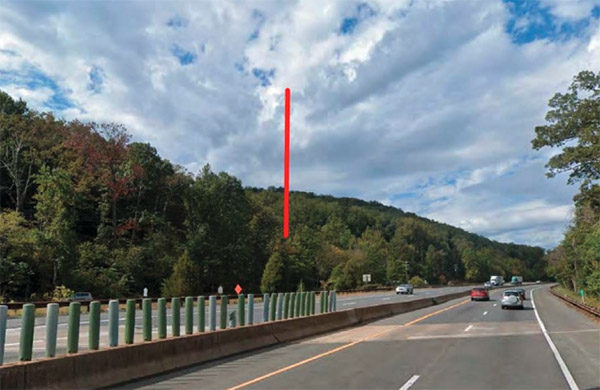
We have learned that Rangel Communication Inc. will be filing an application with Fauquier County for a 199-foot monopole tower and tower compound in Thoroughfare Gap, just east of the Broad Run Post Office along the south side of Rt. 55. This area, steeped in history, is the gateway into Fauquier County from Haymarket to the east.
Julie Bolthouse
Julie Bolthouse is The Piedmont Environmental Council's land use field representative for Fauquier County.
The Long Road to Waterloo Bridge
When I saw “replacement” of the circa 1878 Waterloo Bridge—the oldest metal truss bridge still in service in Virginia at the time—on the Fauquier County Transportation Committee agenda back in October 2013, I knew exactly who to turn to.
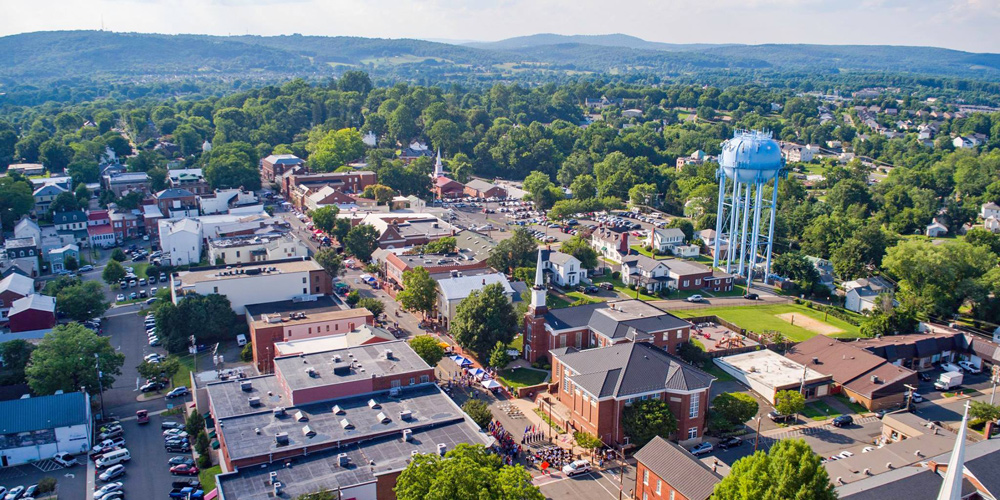
Warrenton Residents Deserve Better than “Plan Warrenton 2040”
On March 9, 2021, the Warrenton Town Council will consider whether or not to adopt a new vision as outlined in Plan Warrenton 2040.
Over the last year, PEC has highlighted specific concerns tied to the draft plan’s emphasis on recruiting residential growth (well beyond any projected need), the lack of planning to tackle affordable housing, the inclusion of a new western bypass and missing information on water and wastewater needs, among many others. We believe these concerns need to be addressed and urge the Warrenton Town Council to redraft the plan with these issues in mind.
Warrenton 2040 Plan Update – the Wait is Over, But Has Anything Changed?
On January 26 the Warrenton Planning Commission held a work session on the postponed Warrenton 2040 Master Plan and the Commercial Zoning Text Amendment. Overall, we learned that the Warrenton 2040 Plan is largely the same as it was 6 months ago.
Fauquier Land Use Update – June 2, 2020
As we enter the month of June our communities have entered Phase 1 of reopening. Much is still closed but much has also opened up in a limited way. The Town of Warrenton has implemented the “Roll Out Warrenton” initiative which allows for increased outdoor dining space to help restaurants meet safety requirements. While wineries and breweries in the County have pivoted to curbside pick up and delivery.
Fauquier Land Use Update – May 4, 2020
As we enter the month of May our communities remain under orders to maintain social distancing. Fauquier County has adopted a significantly reduced budget and is implementing a new public hearing format which allows for both in person and remote participation (see more detail below). The Town of Warrenton is working on revising their 2021-2026 CIP and FY 2021 Budget with a series of worksessions and public hearings in May and adoption planned for June 9.
Fauquier Land Use Update – April 3, 2020
As I wrote last week, the Covid-19 pandemic is upending a lot, but our local governments are continuing to function and provide the vital services we depend on. One way Fauquier County has stepped up to address this crisis is by working with the PATH Foundation to provide internet hotspots at several locations throughout the County. According to Fauquier Times recent interview with Supervisor Gerhardt four locations are up and running and several more should be active soon.
Fauquier Land Use Update – March 25, 2020
The COVID 19 pandemic and social distancing required may have turned our world upside down, but it has not completely stopped. Here at PEC, we are working remotely and continue to try and provide you with connection to your community during these trying times. This includes connecting you to the important decisions being made at the state and local level.
A Dirty Secret: How Construction Waste is Making its Way Onto Rural Lands
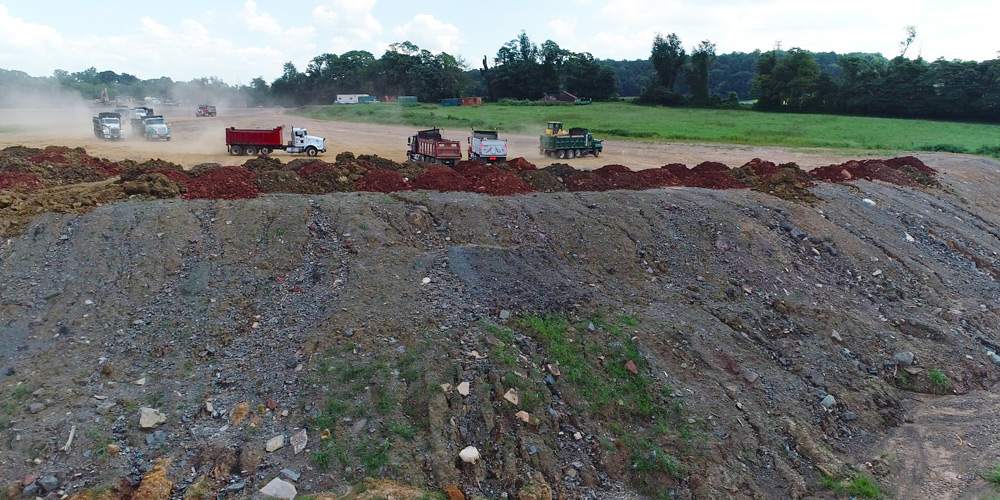
Steve and Jennifer Rainwater’s world was turned upside down in 2017 when an access road was built along their property line and hundreds of dump trucks started arriving to dump dirt, non-stop, on a section of the property, behind their house. The new access road created runoff and flooding problems that damaged their pastures and a small pond that had provided fresh water for the horses. Although silt fences were used in places, they regularly collapsed and were generally ineffective. The view from their second floor has changed from woods to a never-ending construction site.
Fauquier Considers Weakening Language in Rural Lands Plan
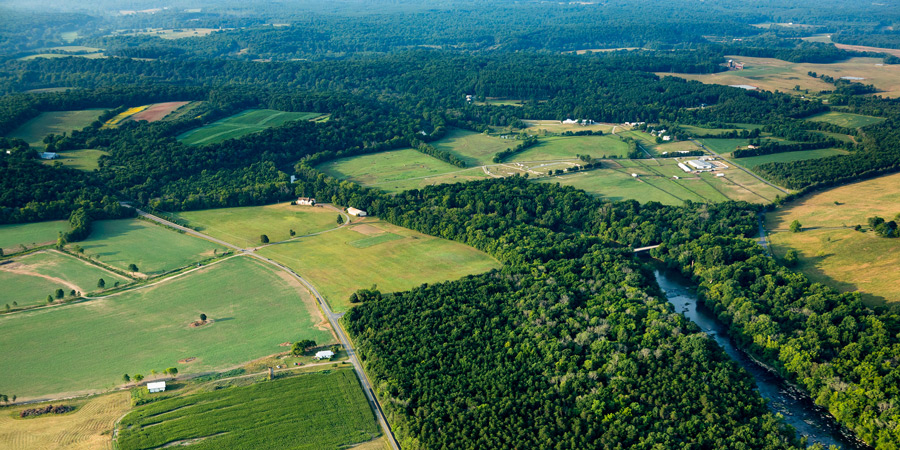
Over the last year, Fauquier has been working on an update to its Rural Lands Plan, a section of the County’s Comprehensive Plan that outlines land use policies in the rural areas. On Thursday, July 11 the Board of Supervisors is holding its second public hearing about the draft plan and will likely vote that night. We are encouraging them to vote to approve Version A.