
This paper was prepared by Ian Lockwood, PE, of the Toole Design Group, for the Catoctin Coalition, Journey Through Hallowed Ground, Piedmont Environmental Council, Coalition for Smarter Growth, and Southern Environmental Law Center. In it, he advocates for traffic calming along the critical stretch of roadway on Rt. 15 north of Leesburg in order to make the road safer, reduce congestion and increase accessibility. Read the paper >>
Loudoun County
PEC stands with citizens to build excellent communities, relieve taxes and traffic, and protect open space in Loudoun. We work to maintain a balance between the towns, the suburbs and the country so residents can enjoy each of them.
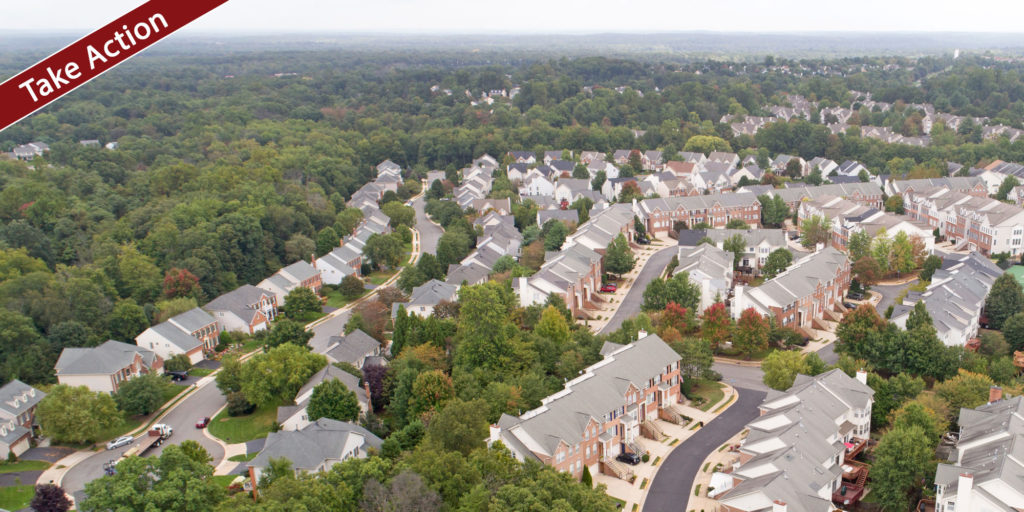
Loudoun Plans for More Scattered Development
The Loudoun County Comprehensive plan is being revised through a process called Envision Loudoun. It is a particularly important policy framework for a county like Loudoun, which is consistently one of the fastest growing jurisdictions in the U.S…Unfortunately, upon reading the released draft, I don’t believe it represents the majority of Loudoun resident’s values and interests expressed in the Envision Loudoun public input phase.
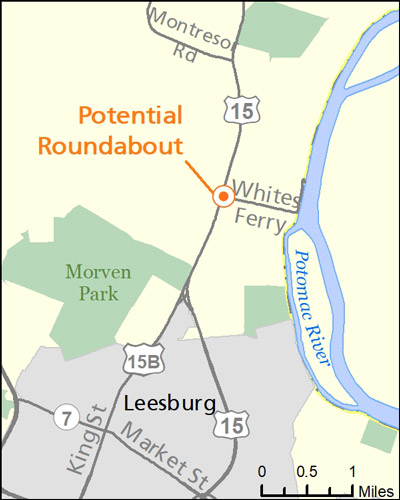
Fixing Rt. 15 North of Leesburg
I want to let you know about a critical transportation decision before the Board of Supervisors pertaining to Rt. 15 north of Leesburg. The County originally proposed 4-laning Rt. 15 from Battlefield Parkway to White’s Ferry Road, but then expanded the proposal to widen an additional 1.5 miles north to Montresor Road. Alternatively, we support putting a roundabout in place of a traffic light at the White’s Ferry intersection, and maintaining the road north of that at two lanes (with improved shoulders).
On the Ground — Spring 2018 Update
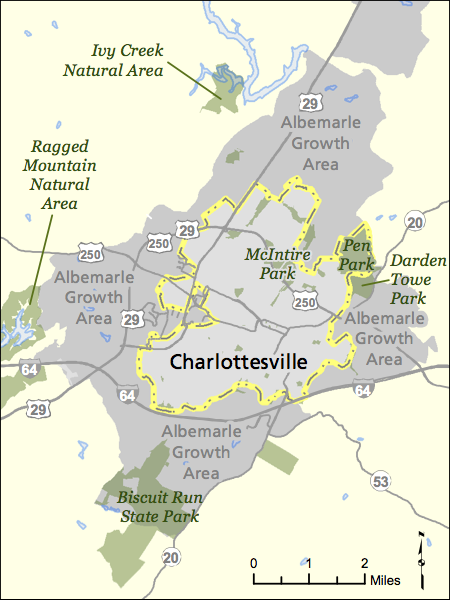
Updates from the around the PEC region, organized by county. Albemarle: Biscuit Run and courthouse relocation updates. Clarke: County updates and ordinances. Culpeper: Waterloo Bridge update. Fauquier: Data centers, development proposals & stormwater pollution solutions. Greene: White Run Reservoir. Loudoun: True North data center & Leesburg transportation. Madison: Septic system program. Orange: Subdivision ordinance. Rappahannock: Putting farms first.
True North Decision Looms
Last November, I wrote to you about a rezoning the Loudoun Board of Supervisors is considering for True North Data. The proposal will be back up for a vote on Thursday, January 18.
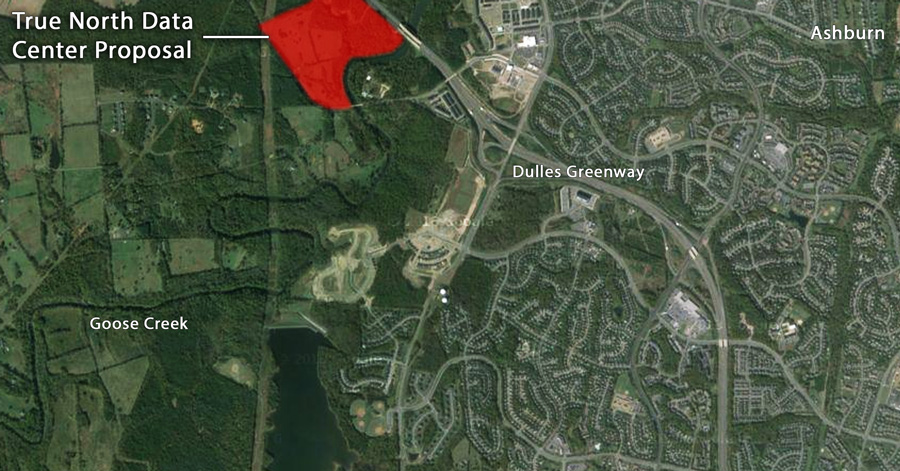
Why True North Data is Worse than Current Zoning
Last week I wrote a post about Public Drinking Water Supply and the Loudoun Transition Area, but this time, I want to drill down into a specific development proposal that would impact water quality: the True North Data center application. This rezoning, just upstream of the Goose Creek reservoir, would place a highly impervious use in the same subwatershed as the public water intake.
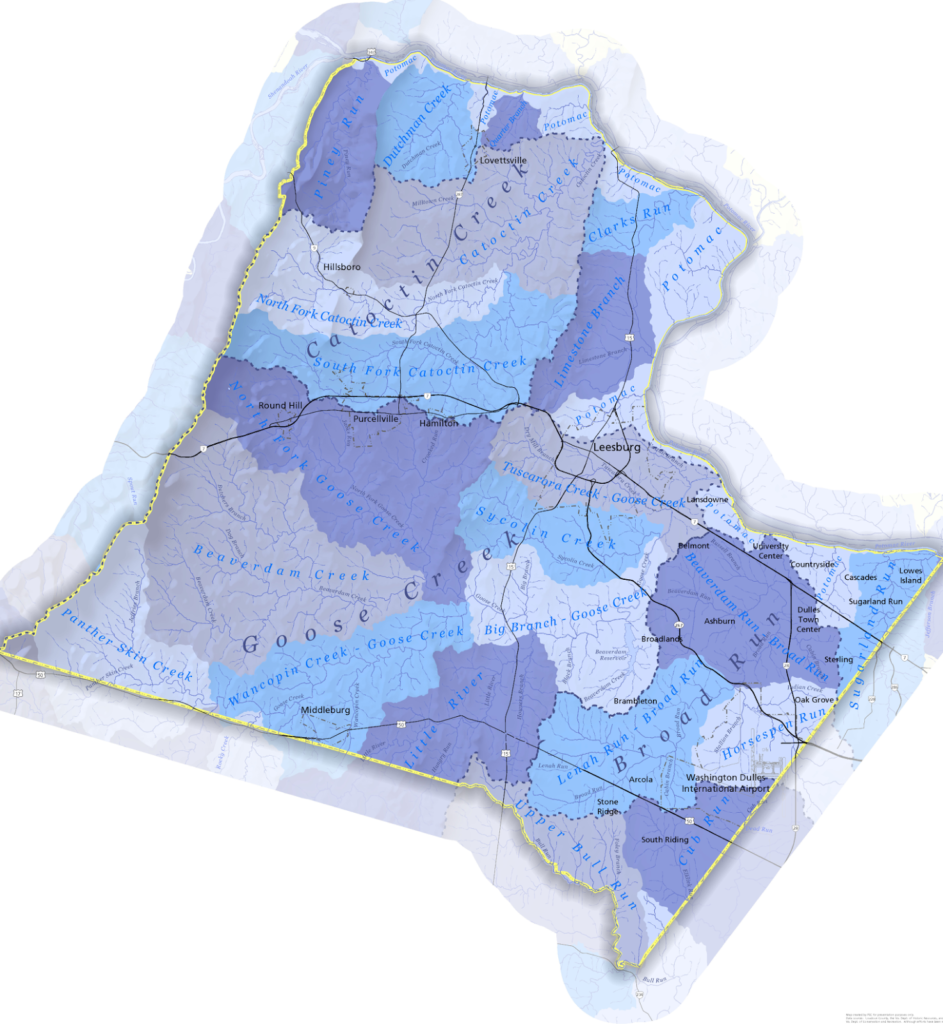
Public Water Supply Protection & The Loudoun Transition Area
The question facing Loudoun today is this: How much are we willing to increase development in the environmentally sensitive Transition Area? Particularly when we know the result would be a long-term reduction in water quality and increased cost to taxpayers…
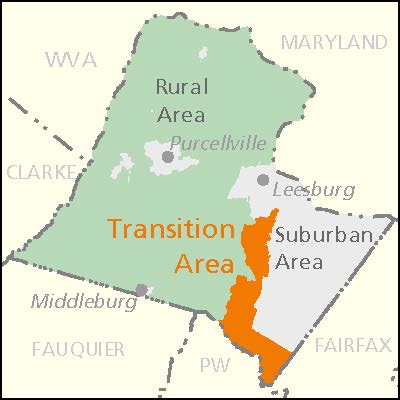
True North Data – Wrong Direction for Loudoun
True North Data is being proposed on an environmentally sensitive site in Loudoun’s Transition Policy Area. At the same time, the Board of Supervisors is asking citizens what they would like for that area’s future as part of a Comprehensive Plan review…. Read more in this email alert from PEC field representative Gem Bingol.
Potomac Bridge Crossing Maps
During the summer of 2017, the Loudoun Board of Supervisors directed county staff to study and recommend potential Potomac bridge crossing sites between Goose Creek and the Fairfax County line. The new bridge has long been a dream of area real-estate interests, but has been rejected by residents and planners throughout the years, due to numerous flaws (see our 8 Reasons blog post for more detail).

Eight Reasons to Put an End to the Potomac River Bridge Project (before it bites)
As their name implies, zombie projects have a way of coming back every few years. Proponents of these projects keep spending money, they gin up PR campaigns and they eventually convince policymakers that the project deserves another look. In the transportation world, these zombie projects usually share an unfortunate set of characteristics: they benefit few, siphon off limited transportation funding from real solutions, and worse yet, they often lead to increased congestion by contributing to sprawl.