
Electronics and miscellaneous appliances are the second largest category of home electricity usage — nearly $200 for the average household. “Phantom power” or situations where these devices are using electricity even when you think they are “off” are the reason. Often (but not always) that little green light that is still glowing is a tip-off.
Our Work
Safeguarding the landscapes, communities and heritage of the Piedmont by involving citizens in public policy and land conservation. Learn more about our work by browsing the subject areas below and find out how to get involved!
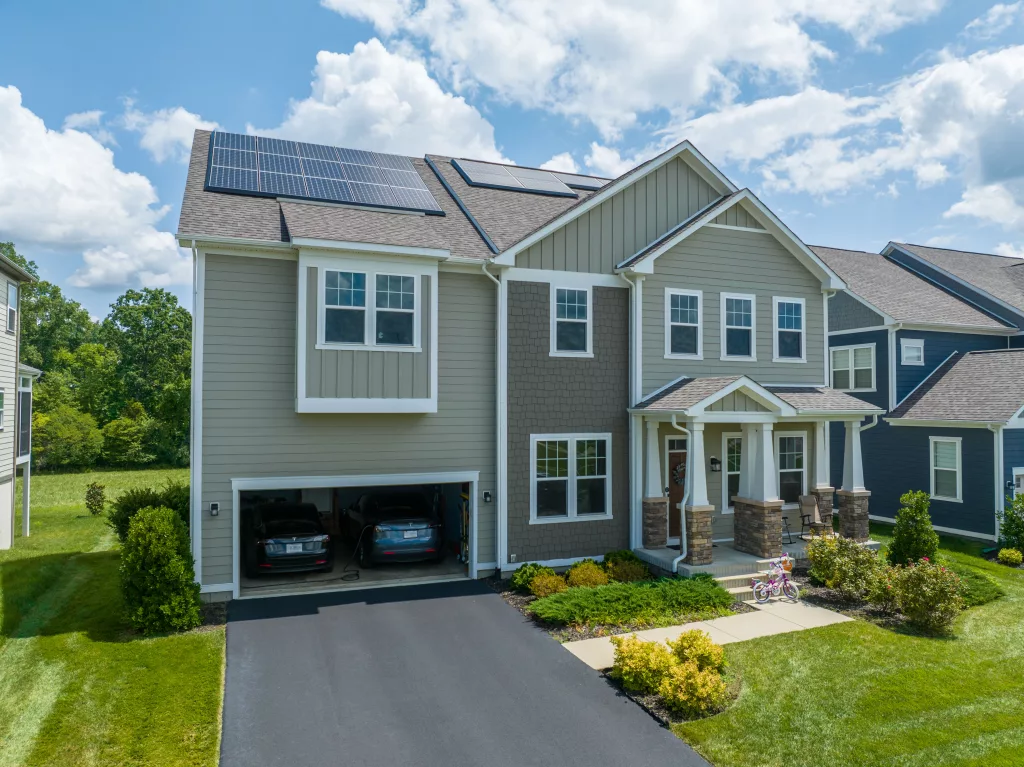
Is Your Home Wasting Energy?
A home energy audit can be a very good investment, particularly if you have an older home.
Add a Blanket
Upgrading your attic insulation can dramatically reduce your heating and air conditioning costs, improve the value of your home, and add to your day-to-day comfort. While this project may cost you $200 or more, once it’s in place it will allow you to save money on your energy bills for the life of your home. And more good news is that your insulation material may qualify you for a federal tax credit.
Insulating Your Attic Door or Hatch
In most homes, the attic door or hatch, is a framed plywood square in the ceiling of a hallway or bedroom, with no insulation above it. Without insulation, it is like having an open door to the outside or an open fireplace flue.
Light Right
The average household dedicates about 5% of its energy budget to lighting every year, with much of the cost owing to the few lights that are on the most. So switching those frequently used bulbs to light-emitting diodes (LEDs) is the place to start. Find the 10 lights you use most, and the lights you use at least one hour per day, and make the change.
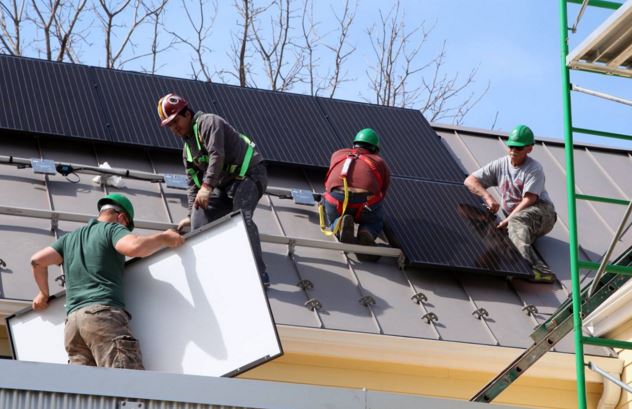
It’s Not Just for Homeowners
The ten energy efficiency improvements outlined on our website make sense for more than just homeowners.
Dial it Back a Notch
Your appliances are wonderful modern conveniences — however for the average Virginia household there are significant energy costs. You can save 10% or more on these costs through two easy steps, without any appreciable effect on your day-to-day lifestyle or comfort.
Go With the (Air) Flow
Periodically replacing your air filter will significantly improve your heating and cooling system’s performance. When the filter is dirty, the fan uses more energy to force the air through. When the filter gets too clogged, the whole system can shut down –triggering the need for professional services that could cost hundreds or even thousands of dollars.
Defeat Drafts
The outer walls, ceiling, windows, doors and floor make up the “thermal envelope” of your house. Any gaps or holes in this envelope allow the conditioned or heated air inside your house to escape. When you add up all the small gaps, holes, cracks, and leaks, it’s often the equivalent of leaving a couple of windows wide open– all the time.

Undocumented Cemeteries & Burial Grounds
A severe lack of documentation contributes greatly to the loss of cemeteries and the stories they represent. We need your help!