

Loudoun County is beginning the critical (but arduous) task of revising its Comprehensive Plan. The plan represents the community’s vision for the future and is the most important document regarding land use, transportation and resource utilization. It guides all decisions and regulations regarding growth and development.
Loudoun County
PEC stands with citizens to build excellent communities, relieve taxes and traffic, and protect open space in Loudoun. We work to maintain a balance between the towns, the suburbs and the country so residents can enjoy each of them.
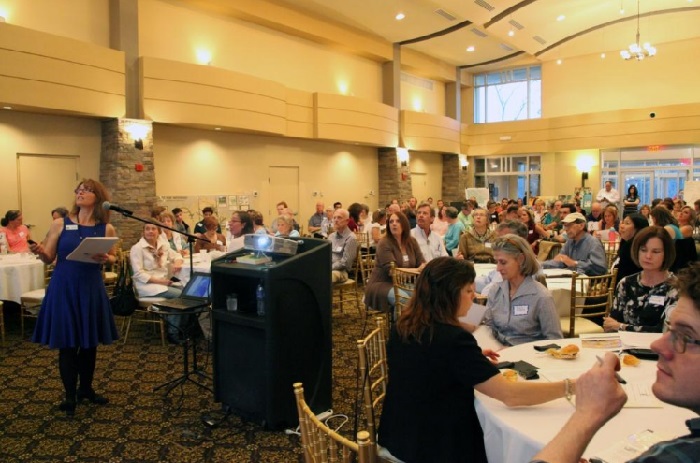
Lessons Learned & Presentations from the 2016 Loudoun HOA Forum
On the evening of March 10, 2016 more than 150 individuals attended a forum in eastern Loudoun focused on improving landscaping practices for stream health, water quality and the environment. Hosted by The Piedmont Environmental Council in partnership with Loudoun County, Common Space for the Greater Good presented solutions for Home Owners Associations and residents to restore streams, reduce pollution and attract birds, bees and butterflies – and provided real-life examples that have been adopted by many communities in Loudoun and elsewhere.
Trees Planted, Smiling Faces
In partnership with Sugarland Run HOA, the Broadlands HOA, the Red Cedar HOA and Loudoun County Government, we’ve finished planting 3.26+ acres, 968 native trees and shrubs, in three Loudoun Communities.
Thank you to our wonderful volunteers and involved communities for helping Loudoun streams, our local environment and the Chesapeake Bay! Thanks also to grants from The National Fish and Wildlife Foundation and Fairfax Water, and generous in-kind support by Heritage Landscape Services, LLC and Premier Turf and Landscaping.
Mill Run Elementary School’s New & Improved Outdoor Classroom
Over the past year, Mill Run Elementary in Ashburn, VA, partnered with The Piedmont Environmental Council for a pilot project to create a naturally landscaped outdoor classroom and enhance the surrounding habitat.
A Great Day at Chapman DeMary Trail
We were excited to team up with The Nature Generation this summer on an educational/volunteer event at the Chapman DeMary Trail in Loudoun County.
19 students and educators from Indonesia were guided through water monitoring efforts by experts from The Piedmont Environmental Council, Loudoun Valley High School and Loudoun Watershed Watch.
A Vote Against Sprawl
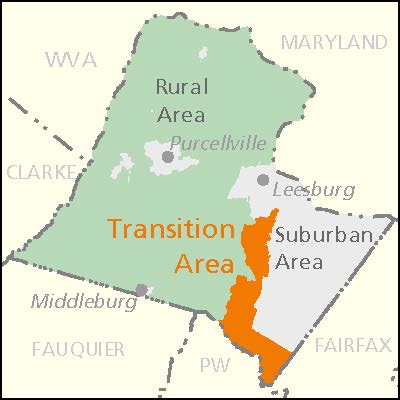
Developers pushed Loudoun Board of Supervisors for more houses in the Transition Area and the Loudoun community pushed back!.
Sugarland Run Tree Planting — Spring 2015
On Saturday, April 25th, the Sugarland Run community planted over 160 native trees and shrubs to help reduce air and water pollution in Sterling and add beneficial habitat. Over 80 people turned out to get a little dirty and work together for the environment and enjoy a feeling of accomplishment.
Floating Island Installation at Broadlands
Working together for cleaner water. Volunteers planted three floating islands that will filter nutrient runoff from a Broadlands stormwater pond. Loudoun County Government stormwater staff launched the islands with weights and needed protection from geese until the plants mature. The protection and weights will then be removed.
The Piedmont Environmental Council collaborated with Broadlands Naturally (through the habitat committee of the Broadlands HOA) and Loudoun County, supported by grants from National Fish and Wildlife Foundation and Fairfax Water. Thanks to all who made it possible!
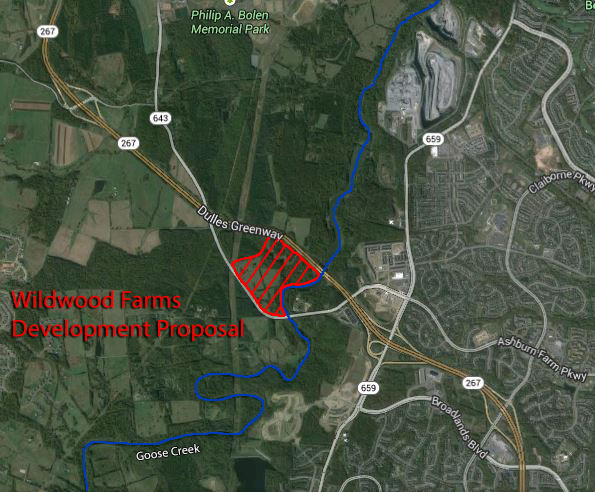
Email Alert: Loudoun Residents Weigh In, Wildwood Farm Rezoning Next
Some good news and another call to action!
Last Wednesday, on a 6-3 vote, the Loudoun Board of Supervisors voted to deny the McIntosh rezoning request to increase density in the Transition Area next to Willowsford. Voting against the rezoning were Janet Clarke, Matt Letourneau, Ralph Buona, Geary Higgins, Shawn Williams and Scott York.
A big ‘thank you’ to everyone who took the time to write. Several of the Board members mentioned the letters from citizens as having an impact.
Now on to the next proposal….
Email Alert: Loudoun Board of Supervisors Vote Could Set Precedent for Sprawl
In Loudoun, there’s an important stretch of land between the heavily suburban development in the east, and the rural area to the west. And this less dense section of the county, known as the ‘Transition Area’, is under a new kind of attack.