
As we enter the month of May our communities remain under orders to maintain social distancing. Fauquier County has adopted a significantly reduced budget and is implementing a new public hearing format which allows for both in person and remote participation (see more detail below). The Town of Warrenton is working on revising their 2021-2026 CIP and FY 2021 Budget with a series of worksessions and public hearings in May and adoption planned for June 9.
Julie Bolthouse
Julie Bolthouse is The Piedmont Environmental Council's land use field representative for Fauquier County.
Fauquier Land Use Update – April 3, 2020
As I wrote last week, the Covid-19 pandemic is upending a lot, but our local governments are continuing to function and provide the vital services we depend on. One way Fauquier County has stepped up to address this crisis is by working with the PATH Foundation to provide internet hotspots at several locations throughout the County. According to Fauquier Times recent interview with Supervisor Gerhardt four locations are up and running and several more should be active soon.
Fauquier Land Use Update – March 25, 2020
The COVID 19 pandemic and social distancing required may have turned our world upside down, but it has not completely stopped. Here at PEC, we are working remotely and continue to try and provide you with connection to your community during these trying times. This includes connecting you to the important decisions being made at the state and local level.
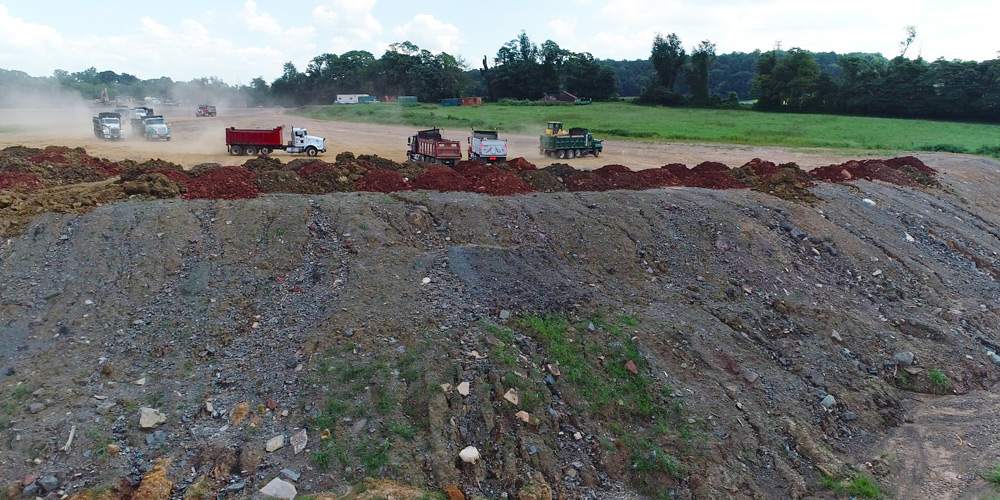
A Dirty Secret: How Construction Waste is Making its Way Onto Rural Lands
Steve and Jennifer Rainwater’s world was turned upside down in 2017 when an access road was built along their property line and hundreds of dump trucks started arriving to dump dirt, non-stop, on a section of the property, behind their house. The new access road created runoff and flooding problems that damaged their pastures and a small pond that had provided fresh water for the horses. Although silt fences were used in places, they regularly collapsed and were generally ineffective. The view from their second floor has changed from woods to a never-ending construction site.
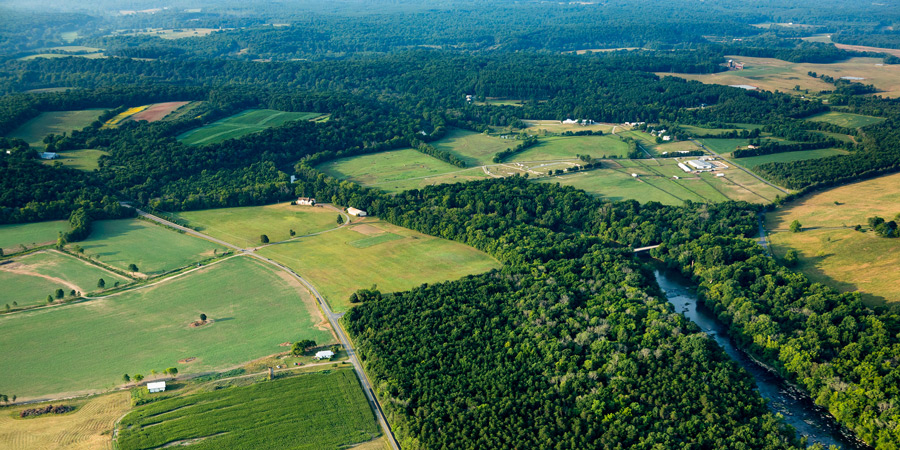
Fauquier Considers Weakening Language in Rural Lands Plan
Over the last year, Fauquier has been working on an update to its Rural Lands Plan, a section of the County’s Comprehensive Plan that outlines land use policies in the rural areas. On Thursday, July 11 the Board of Supervisors is holding its second public hearing about the draft plan and will likely vote that night. We are encouraging them to vote to approve Version A.
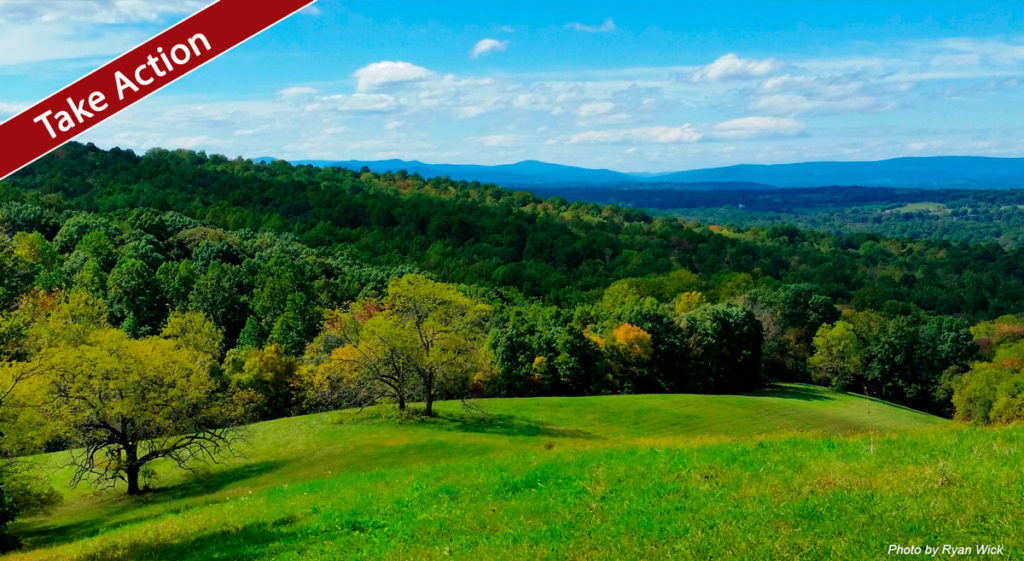
Two Fauquier County Budget Items to Support
There are two issues in particular that we would like to see addressed in the FY 2020 budget that are both long overdue. The first is Rappahannock Station Battlefield Park – Phase I which was not completed in 2018 as proposed in the 2018-2022 Capital Improvement Plan. The second is the creating of a full-time zoning inspector position within the Community Development department.
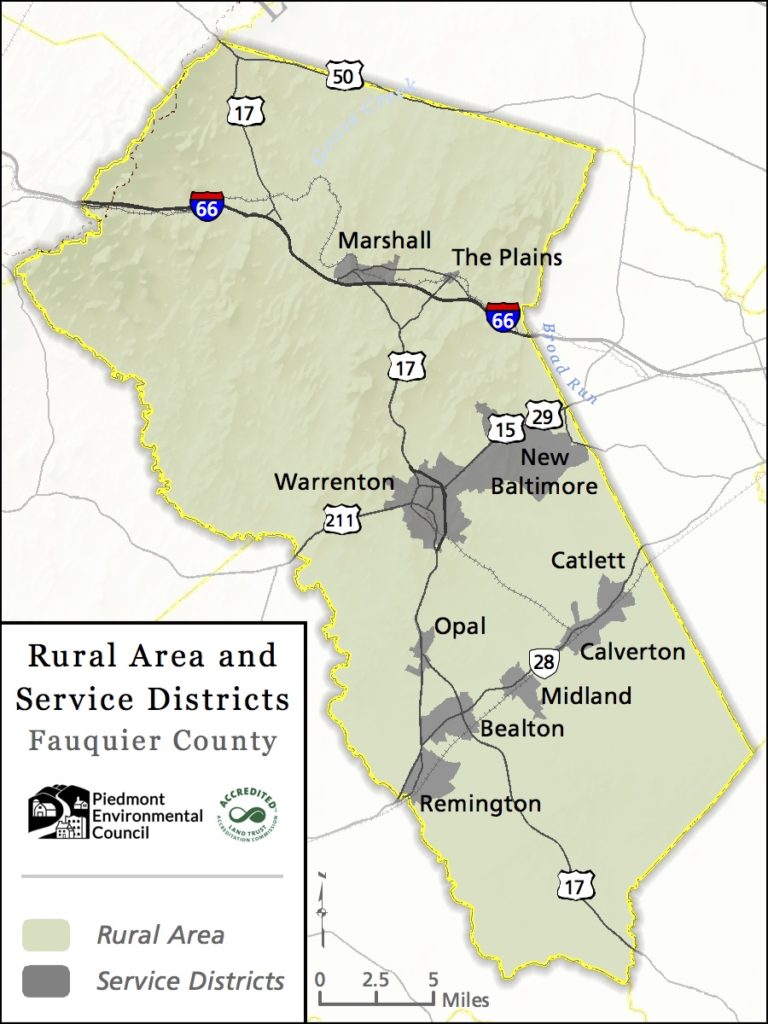
Fauquier County Updating the Rural Lands Plan
The Rural Lands Plan is a section of the Fauquier County Comprehensive Plan, and much as the name implies, it outlines land use policies and the desired future for the rural areas. This chapter is very important because over 90% of the County is planned to remain categorized as rural land. Although the majority of new growth is happening within the growth areas of the County (e.g. Warrenton, Bealeton, New Baltimore, etc.), about half of the nearly 70,000 residents of the county live in these rural areas. In addition, all residents of Fauquier are connected to the rural lands by locally grown goods, through tourism, and by simply driving through them.

Fauquier County Pursues Broadband Tower Locations: Let Us Know What You Think
As you might be aware, Fauquier County has been trying to figure out ways to improve broadband service county-wide. As this is an important local land use decision, we want to hear what our supporters and members think about the county’s approach. Please take a moment to look at the map and fill out our short survey.
Driving in the Right Direction
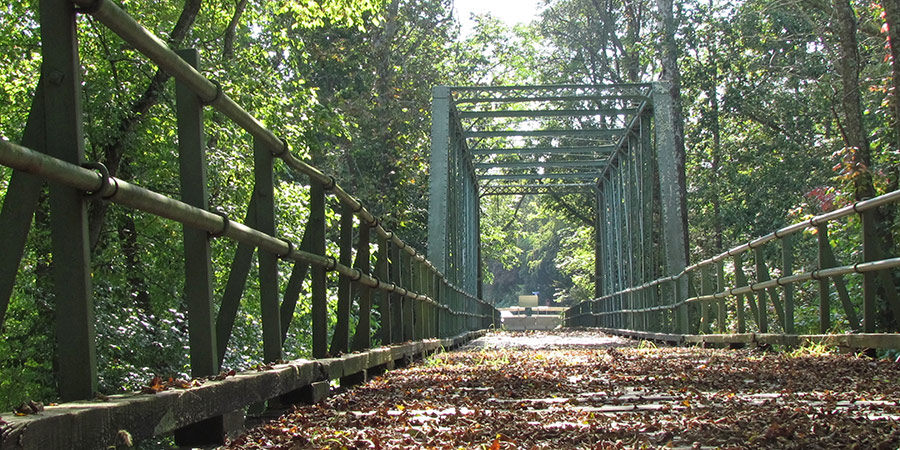
Finally, after a four-year battle to save the Route 613 Waterloo Bridge over the Rappahannock River, success is in sight. The bridge, which connects Fauquier and Culpeper counties, is a treasured historic resource for local residents and visitors to the region. Following its closure, there was a huge citizen response in support of rehabilitating the structure. Thousands of people have taken action. They have signed a petition, written emails, made phone calls, attended meetings, posted on Facebook and put up yard signs, all in support of saving Waterloo Bridge.
Water Demand in Fauquier County
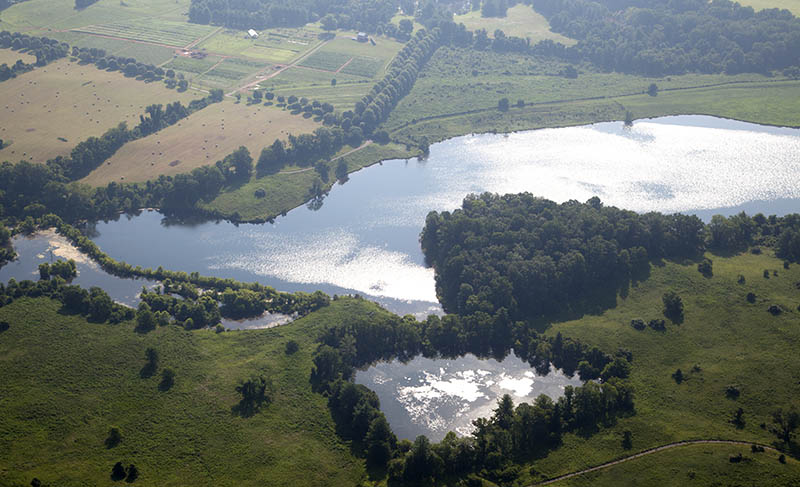
This summer, PEC participated in a Water Information Session organized by the Conservation Roundtable. Other guests include Michael Focazio, Marshall District WSA Board Representative, and Kurt McCoy with USGS. The purpose was to discuss the drinking water challenges facing Fauquier County.