
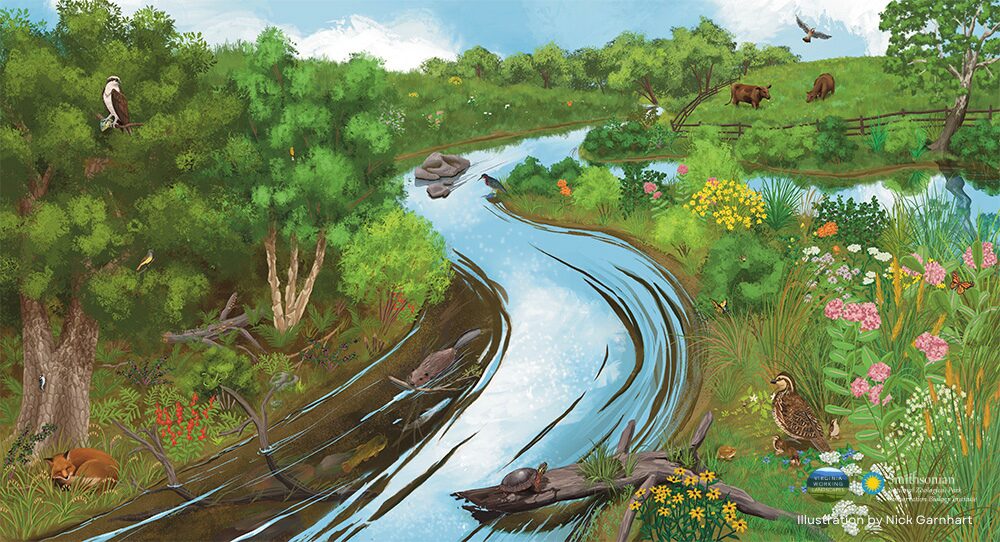
Top illustration by Nick Garnhart.
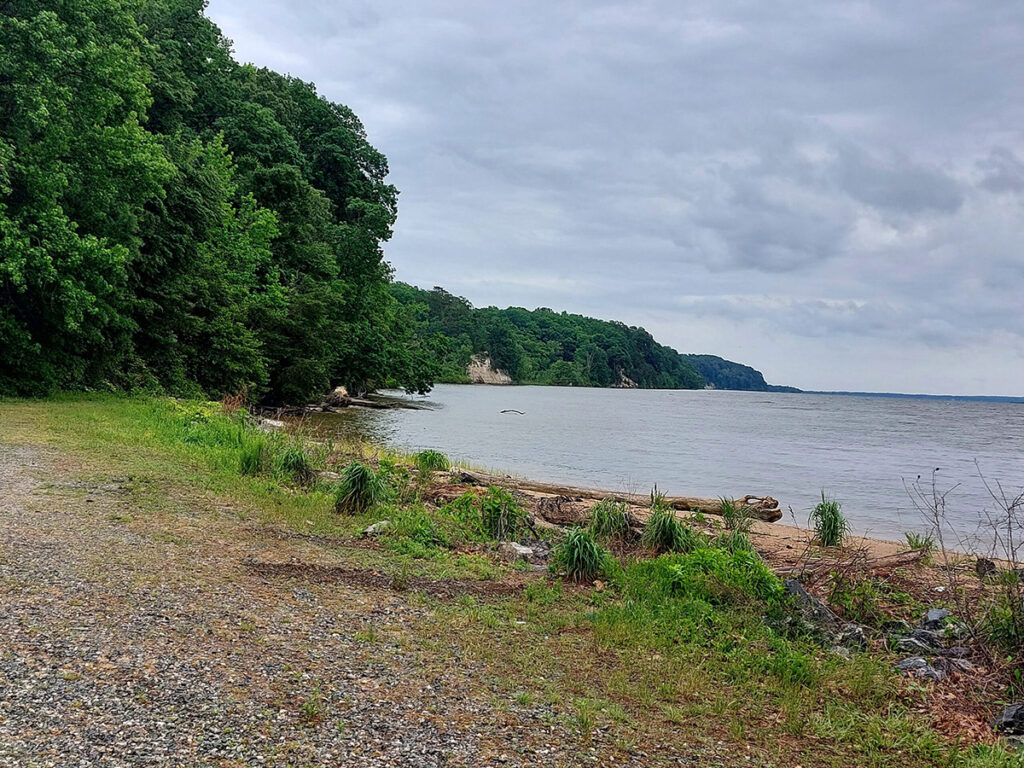
Have you seen the ribbon of green growing along a stream, edging fields and mountains with vibrant life? What you are looking at is a riparian buffer, an essential part of our ecosystem in Virginia’s Piedmont.
Riparian buffers are the vegetated areas along rivers, streams, creeks, and other waterways. These areas are one of the most effective means of protecting water quality throughout the Chesapeake Bay. With healthy riparian buffers, we can ensure the water we drink throughout the watershed is clean and can be a sustainable resource for future generations.
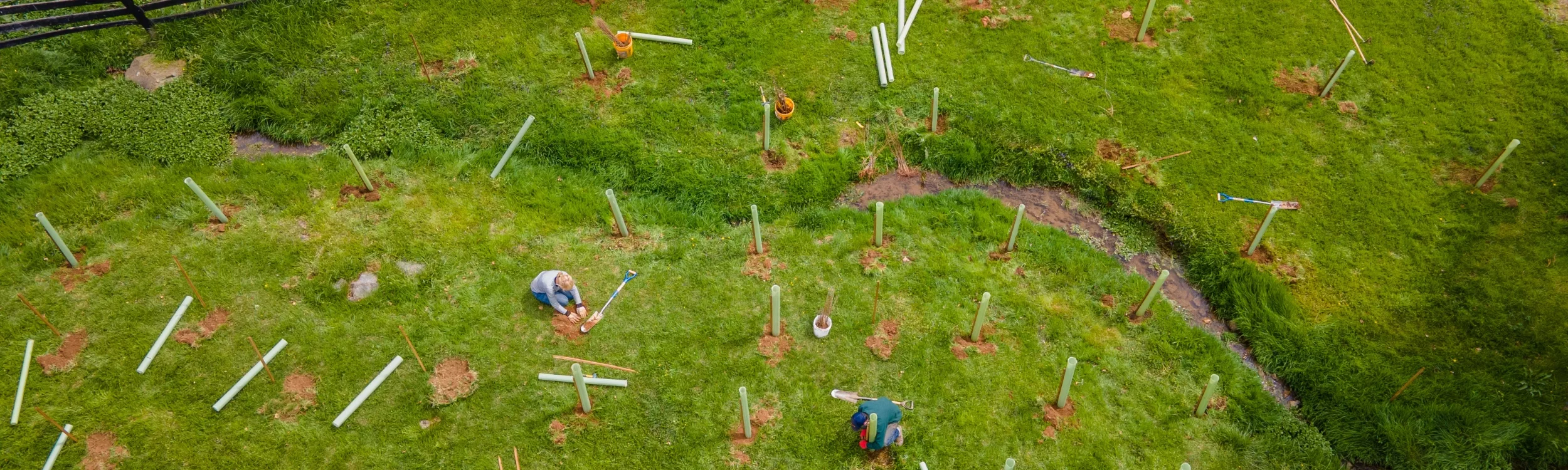
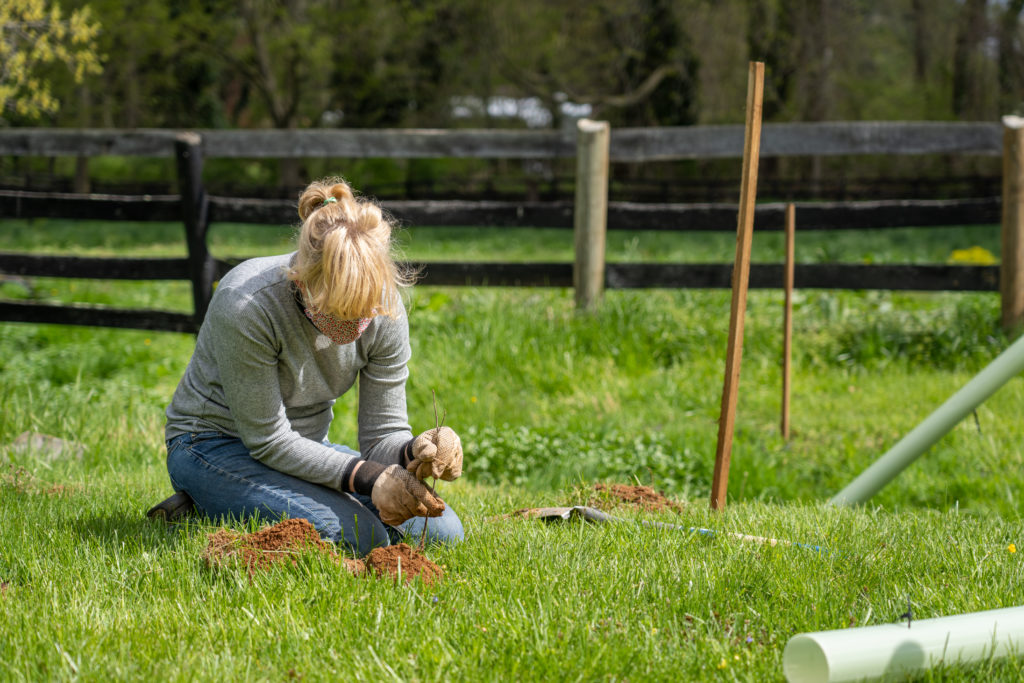
Numerous programs across our nine-county region provide free technical assistance, project design, materials, and labor for the planting of native trees and shrubs in riparian zones on qualifying properties.
Plantings for the Piedmont Programs
PEC’s Plantings for the Piedmont programs are an effort to provide free technical assistance, project design, materials and labor for the planting of native trees and shrubs in riparian and upland zones on qualifying properties within the headwater counties of the Potomac, Rappahannock, and York River watersheds.
What is Covered by These Programs? These tree planting programs, including the Headwater Stream Initiative and the Potomac Planting Program, help to cover 100% of the costs associated with technical assistance, project design, materials and installation, as well as three years of paid maintenance, for riparian buffers and upland (agricultural) tree planting projects.
Download a printable Plantings for the Piedmont Programs handout
Regional Programs
Headwater
Stream
Initiative
The Headwater Stream Initiative is a joint project of The Piedmont Environmental Council and Friends of the Rappahannock. Read more.
Potomac
Planting
Program
The Potomac Planting Program includes properties in the Potomac River watershed of Clarke, Loudoun and Fauquier counties. Read more.
James River
Buffer
Program
Our partners at the James River Association, Virginia Department of Forestry, and Chesapeake Bay Foundation are working with landowners across… Read more.
York
River
Steward
Covering the Mattaponi, Pamunkey and York Watershed region. Visit their website, call (540) 373-3448 or email [email protected]
Learn more
Volunteer Tree Planting Opportunities
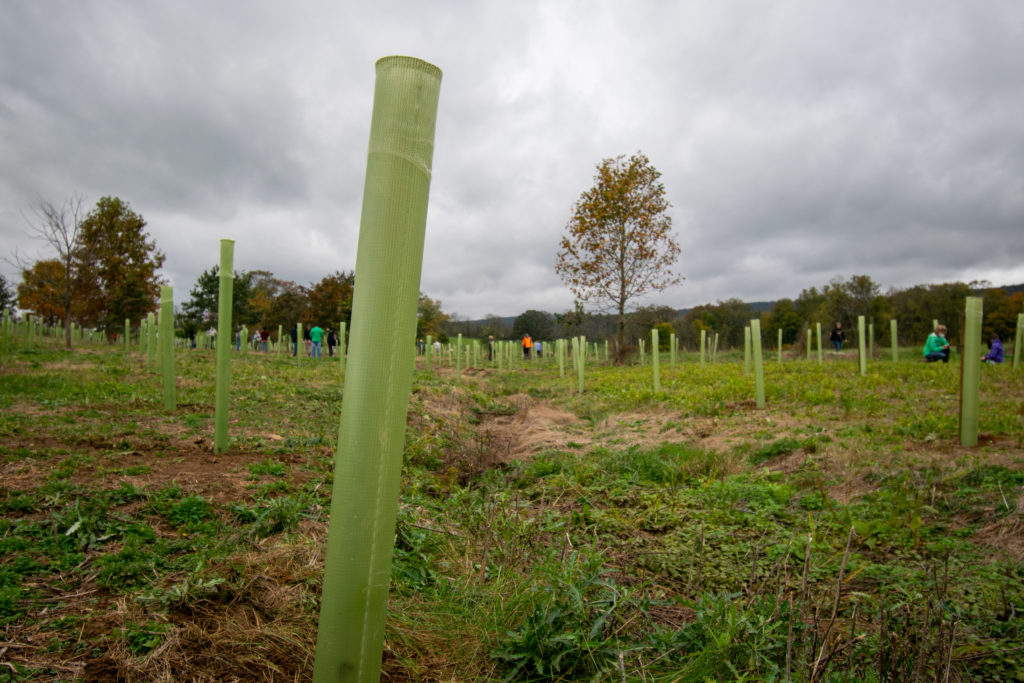
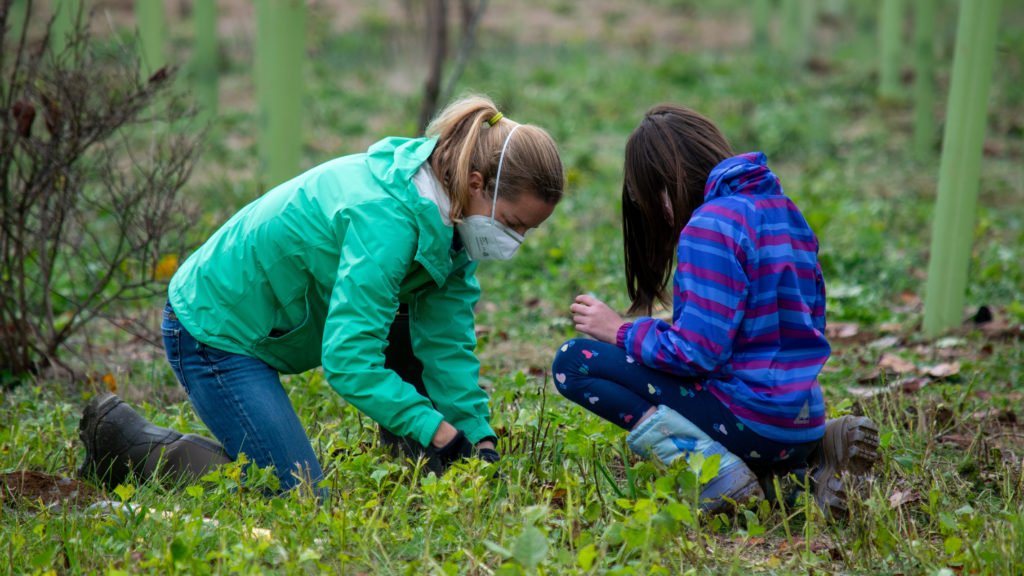
Plant trees with our Plantings for the Piedmont Program! Since 2021, Plantings for the Piedmont has directly restored about 100 acres of riparian buffers and upland forest in the Rappahannock and Potomac watersheds by planting nearly 30,000 trees. PEC has also supported an additional ~30 acres of planting with partners throughout our region volumes of aquifers and downstream ecosystems are positively impacted by this collaborative effort. Each spring and fall, volunteers are invited to help plant trees along waterways across the Piedmont. Send an email to Lea Justice at [email protected] to be notified of our next planting or with any questions.
View other volunteering opportunities with PEC. →
Latest Articles

Pond Management: A Starter Kit for Healthy Pond Management
Native Plants for Riparian Buffers – and Your Backyard
Invasive Species: Identification and Management
Riparian Buffer Planting Assistance Programs
Riparian Buffers: Benefits for Water, Wildlife & People
Fall Tree Planting Volunteer Opportunities
Plantings for the Piedmont: A Team Effort
Free Native Tree Giveaways This Spring!
Plantings for the Piedmont applications open for 2025-2026
Partnership for the Ages

PEC’s work on riparian buffers is supported by the U.S. Environmental Protection Agency and the National Fish and Wildlife Foundation’s Chesapeake Bay Stewardship Fund, which promotes community-based efforts to develop conservation strategies to protect and restore the diverse natural resources of the Chesapeake Bay.
The views and conclusions contained on this page are those of the authors and should not be interpreted as representing the opinions or policies of the U.S. Government or the National Fish and Wildlife Foundation and its funding sources. Mention of trade names or commercial products does not constitute their endorsement by the U.S. Government, or the National Fish and Wildlife Foundation or its funding sources.