
In Colorado and Virginia residents debate whether proposed uranium mills will help or hinder their economies.
PEC
Healthy, Safer Families, and Communities
Arsenic and rocket fuel in our water. Gender-altering hormones and medications in our rivers and streams. PCBs, dioxins and pesticides in breast milk. Lead in children’s toys and women’s lipstick. Hazardous ingredients in air fresheners, development disrupting chemicals in plastic baby bottles and dangerous fumes from vinyl shower curtains. Our world is awash in chemicals and pollutants that pose health risks to our families, our communities and our environment.
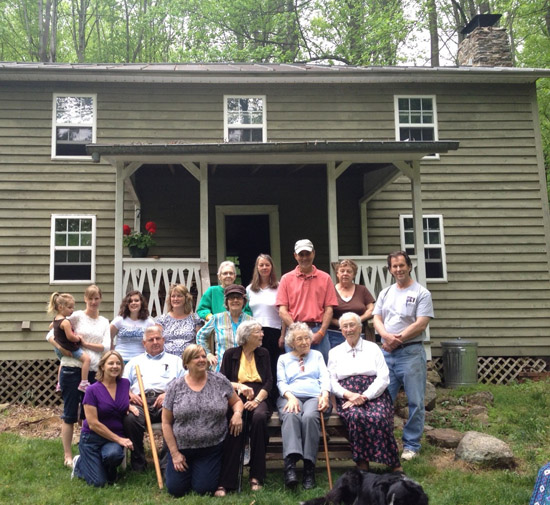
Hike Revisits Life in the Mountains
In the foothills of Greene County, on May 5, the woods were brilliant with lush spring growth. A gravel road led up and up into the hills; eventually it would end at the border of Shenandoah National Park. Down a long drive, set deep in the forest was an old house—a sturdy two-story frame cabin with a welcoming front porch, at the edge of a clear, rushing stream.
Sketches with Jeff – Part 1 & 2
PEC's Charlottesville & Albemarle Field Officer, Jeff Werner, has been struggling for many years with how to explain the issues surrounding the proposed Rt. 29 Western Bypass. He decided to give drawing a shot.
Virginia’s Six-Year Plan for Transportation
If you've ever wondered what roads will be built or what new transit options are going to exist in the near term –The Commonwealth Transportation Board has released its working draft of Virginia's Six-Year Improvement Program for comments, due by Friday, May 18, 2012.
The recently released draft plan covers 2013-2018 and it includes all of the proposed highway, road and bridge projects as well as rail, transit, bicycle, pedestrian and other transportation improvements across the state — with a total associated cost of $10.6 billion.
About Us
The Piedmont Environmental Council (PEC) was founded in 1972 to promote and protect the Virginia Piedmont’s rural economy, natural resources, history and beauty. Headquartered in Warrenton, VA, we have offices throughout a nine county Piedmont region that includes Albemarle, Clarke, Culpeper, Fauquier, Greene, Loudoun, Madison, Orange and Rappahannock counties.
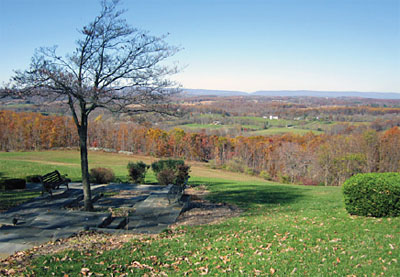
On the Ground Conservation
PEC thanks everyone who protected their land in 2011—preserving the Piedmont’s natural heritage for generations to come. Read a brief story from each of our 9 counties.
Uranium Mining: “Not the Time to Relax”
The uranium in Virginia will remain safely underground for now, although pressure is still building to overturn Virginia’s ban on mining and milling this radioactive mineral.
Despite a massive lobbying effort by Virginia Uranium, LLC, it appears that efforts to end the ban this year lacked political support, particularly after a National Academy of Sciences study released in December confirmed that uranium mining and milling would expose Virginians to unprecedented risk. On January 20, Gov. Bob McDonnell requested that there be no effort to lift Virginia’s ban on uranium mining this year, but directed state agencies to start drafting regulations for potential uranium mining and milling.
Honoring Local History
“This part of northern Virginia has soaked up more of the blood, sweat and tears of American history than any other part of the country.” –Late Yale historian C. Vann Woodward
PEC Expert Testimony in the TrAIL Line Case
In December 2007, Piedmont Environmental Council submitted the testimony of nine expert witnesses to the VA State Corporation Commission. These witnesses outline the many reasons this transmission line application should be denied by the SCC.