When your system is installed, it’s typically set up at a size that matches either your annual or anticipated annual energy usage (e.g. if you plan to add an addition to your home or if you think you might buy an electric car).
During the sunniest months of the year, you’ll likely generate more energy than you’ll use. This excess power goes back into the grid, and the utility “banks it” for you to use later. These are known as “net metering credits,” and they are automatically applied to your bill over the next 12 months, typically when there is less sunlight for your system to generate power from.
This is why an installer will ask for your utility bill — they want to see your annual usage to size your system to maximize your savings.
If you have an appropriately sized system, it can cover all of your electric usage for the year. It may take a few months to generate enough net metering credits to cover those months when your panels produce less energy.
All reputable solar panels have a 25-year warranty. They can last well beyond that time.
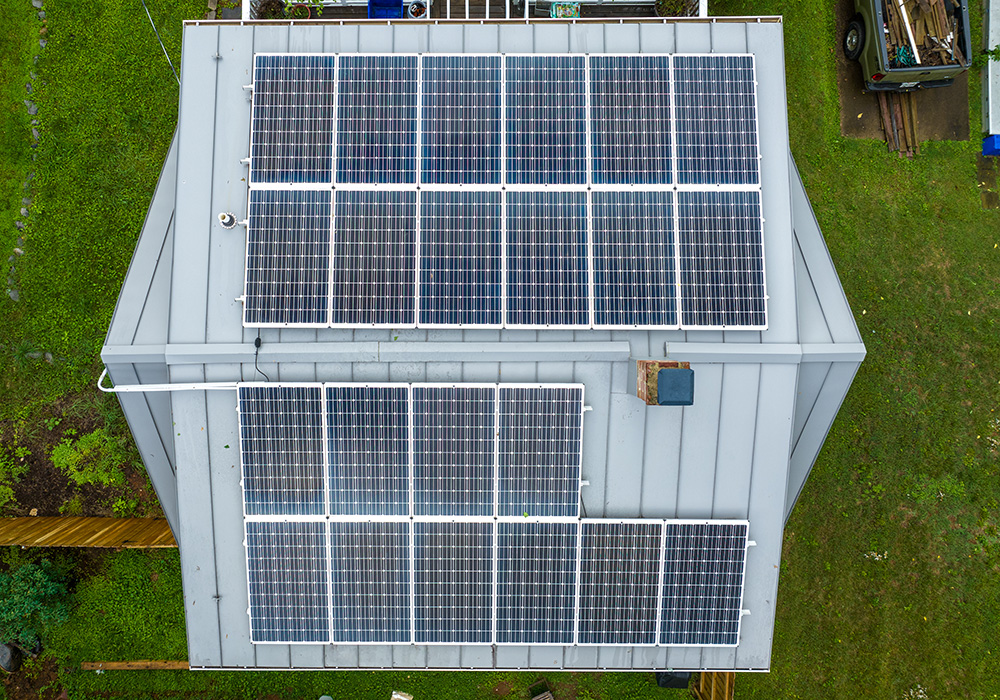
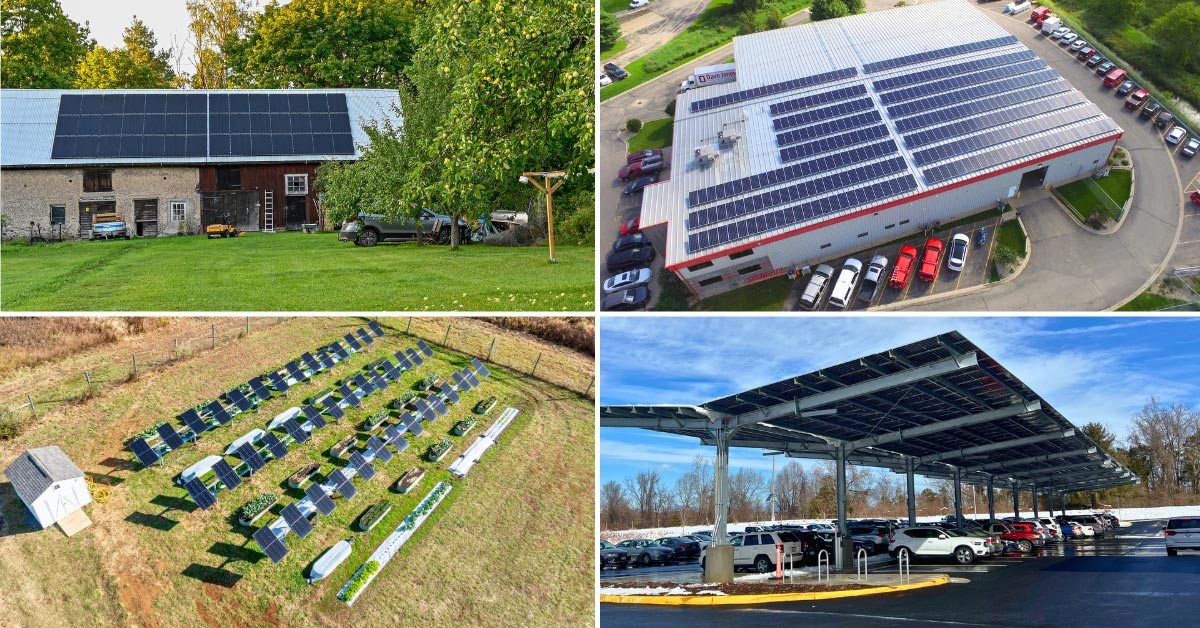
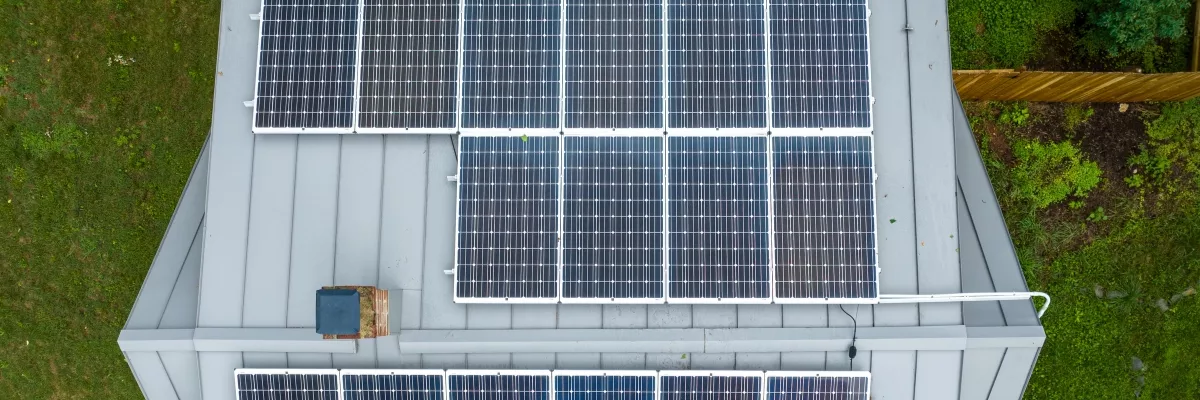
A south-facing roof is typically the best place to install your panels because it will get the most sun exposure. But east- and west-facing installations can also be very effective. The pitch of your roof, shade from nearby trees and other factors will also inform the best location for your panels.
On larger properties, ground-mounted solar panels are also an option. However, they can be more expensive because of the associated structural steel and trenching to connect the system to your electric panel.
Utility rates are expected to climb significantly in our region, largely due to data centers. A rooftop solar system could protect you from those increases on your electric bill. Adoption now would lock you into the current 1:1 net metering rate, which is especially beneficial as market conditions and government and other incentives continue to evolve.
It varies based on rooftop potential and installment. Programs like Solarize Virginia help to reduce the cost by offering free assessments. Most homeowners finance their system over 10-20 years to spread out the cost, much like they would a car or a home. You can also pay for the system upfront. Leasing a system is allowed in Virginia, offering a lower upfront-cost option (with somewhat reduced long-term savings). Protection from rising utility rates adds additional value.
On average, it takes six to ten years of lowered energy bills to “pay back” the cost of initial installation. After that, your solar system produces your energy at no cost (though you may still have some minor monthly charges from the utility). One way to look at it is: you’re trading your higher electric bill for a lower solar bill. And instead of buying your power from an electric company, you’re producing your own.
If you stay in the home for around 20 years, you will save, on average, between $20,000 and $95,000. The savings can be even higher if your utility company raises rates beyond the standard 2-3% increase each year. Some utilities have seen sudden and significant rate increases, which result in higher savings for solar customers.
Similar to the electrical sockets in your home, if the power goes out, such as in a storm, a standard rooftop solar system will automatically shut off to protect utility workers from any electricity moving through the grid. However, with battery backup, even when the power grid is down, your home will still be powered by energy stored during those sunny days when your system generated more power than you used.
That excess energy was sent back to the grid, where it became net metering credits that are “banked” and applied later, typically during winter months when your system produces less energy (or a power outage).This can provide peace of mind and give you off-the-grid capabilities for such things as powering a small fridge with medications or an oxygen machine.
When the local power grid goes down, your panels will only continue to power your home if you have a backup battery system to hold the excess electricity your system has produced.
An installer can estimate how much electricity future changes will add to your overall energy need and build your solar system out accordingly. Most systems can be built to one-and-a-half times your current usage to accommodate additional energy use that may come with electrification, EV charging or heat pumps.
Most installers can also install an EV charger while installing your solar system. And, when planning your rooftop solar system, your installer can include the expected energy needs of an EV charger.
Virginia law prevents HOAs from making prohibitive restrictions on your solar system that would reduce its performance by more than 10% or increase your cost by more than 5%. For example, if an HOA wants to force a customer to place panels on their back roof and doing so would decrease performance by more than 10%, this would be considered a prohibitive restriction and isn’t allowed by law. The only exception to this regulation is if an HOA has restrictive language on solar systems in its founding documents.
If you comply with HOA and local zoning requirements, your neighbors typically have no standing to prevent you from getting or keeping solar panels. However, homeowners will always benefit from a respectful conversation with neighbors and may consider setting up a solar easement that outlines what the system will look like and methods to address any disputes. As solar has become more popular, such disputes are uncommon.
Residential systems are limited to 25 kilowatts, more than enough for nearly any home. Dominion Energy allows homeowners to build up to 1½ times the home’s annual usage. However, some co-ops, such as Rappahannock Electric Cooperative (REC), limit system size to the home’s annual energy usage at the time of installation. Your installer will be able to give you the latest size guidelines from your utility or co-op.
Unused net metering credits typically expire after 12 months, so proper sizing is important. Check your utility’s net metering rules and speak with your solar installer about the latest regulations.
Conservation easements typically allow for solar systems that provide onsite power, but not for commercial generation. We encourage you to speak with an attorney to avoid any issues with your easement terms.
At the start of your solar journey, your installer will analyze your roof quality and structural integrity to determine if the roof can accommodate solar panels for the next 20-25 years. If a roof replacement is needed, ask your installer if they do reroofing. The financing for the reroof can sometimes be combined with the solar financing, and you may be able to negotiate a better reroof price.
Risks are considered low under normal conditions. While panels contain trace materials, the range of chemicals in solar panels varies and they are sealed systems designed to prevent leaching. Some can contain lead and cadmium, but the contained amounts are only considered toxic in large quantities.
Birds sometimes mistake large solar arrays for water, but that is less a problem on small rooftop installations.
Many times, yes. Some installers provide American-made options that can qualify for additional tax credits and/or have a different cost.
Solar panels will not affect your mortgage payments. A 2025 study using Zillow’s data found that homes with solar panels sold for 6.9% more than homes without. The assessed value of your solar array, which adds value to your home, is also exempt from property taxes as per Virginia law.
Solar panels can be installed on most types of roofs, including flat and pitched roofs, metal, composite shingles and tile.
Yes! If your system is properly sized, it can offset your full annual usage (though your local utility will still bill you for additional expenses). Installers use your past utility bills, and future plans like EVs or home additions, to design the right system for you.
Have other questions about rooftop solar? Reach out to Ashish Kapoor at [email protected].