
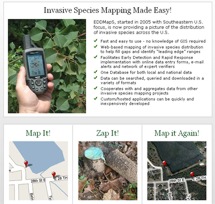
Learn how to report wavyleaf basketgrass.
PEC
Enhancing Habitat for Birds
Check out the Bird Habitat Guide to learn how you can enhance bird habitat in your backyard.
The Piedmont is home to over 140 species of birds that breed in the area, but many of these bird populations have declined in recent decades due to loss of habitat and degradation.
PEC recently teamed up with the American Bird Conservancy to produce a Bird Habitat Guide that offers tips on how you can enhance bird and wildlife habitat on your property.
Whether you have a large farm or small backyard, you can help a variety of birds to thrive through simple changes such as leaving a fence row to grow unkempt or allowing part of your yard to grow up in native grasses rather than mowing.
Grasslands & Meadows
Converting areas of turf and lawn into native warm season grasslands increases the vertical structure and species diversity necessary to feed and provide cover for grassland birds such as bobwhite quail, grasshopper sparrows, meadowlarks, and loggerhead shrikes. Typical warm-season grass species include switchgrass, indiangrass, little and big bluestem, which can be mixed into a beautiful wildflower meadow filled with black-eyed Susans, partridge pea, purple coneflower, butterfly milkweed, and New England Asters.
Information on Important Crop Pollinators
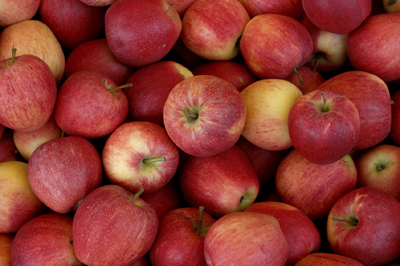
Pollinators play a significant role in the production of more than 150 food crops in the United States, and studies have found that pollination enhances the yield and quality of a variety of important economic crops. The majority of this economic benefit is attributed to pollination by wild bees. Providing uncultivated land, or habitat, near field edges has shown to increase crop yield and profit. Piedmont farmers can benefit financially by providing adequate habitat for these little produce-friendly helpers.
Common Aquatic Invasive Species in the Piedmont
Invasive species are introduced to local waterways from other parts of the world. In the new environment and without natural predators, many adapt to the local aquatic environment, proliferate, and out-compete native aquatic species. Their often prolific reproduction causes ecological disruptions as well as problems with human use and enjoyment of waterways, including clogging water intake pipes and suffocating ponds.
The best way to help manage aquatic invasive species is to stop their spread by cleaning boating and other water equipment and by never releasing aquarium pets or plants into the wild.
Common Piedmont Invasive Plants
Since we are a part of the Chesapeake Bay Watershed, we must be extra cautious about any use of chemicals to manage invasive species. Common Piedmont invasive plants and recommended control methods are provided in the links below:
Managing Your Section of a River or Stream
Managing flowing aquatic resources in the Piedmont is particularly important, due to our location in the headwaters of the Chesapeake Bay Watershed. Improvements to aquatic resources at the local level will enhance regional water quality. It is our duty as members of the greater ecological community to think of what our actions on the local level will do to wildlife downstream.
Managing Your Pond or Lake
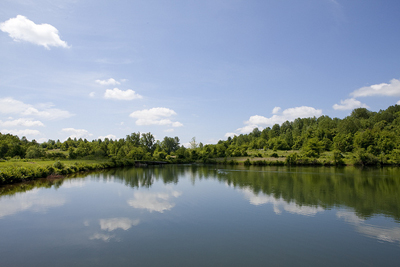
Ponds and lakes can provide resources for feeding and nesting to a wide variety of terrestrial and aquatic organisms.
Backyard Rain Gardens & Frog Ponds
If you live in a suburban area, or have a property that does not contain a water sources such as a pond or a section of stream, you may want to consider planting a rain garden or building a frog pond.
Managing Wetlands for Wildlife
Wetlands, including seeps and springs, serve as important areas of habitat for aquatic and terrestrial animals, and provide the important ecological function of filtering sediment and pollution before they reach the watershed. Wetlands are most effective in their ecological function and as habitat when their unique vegetation is allowed to grow. It is recommended not to drain or mow wetlands, nor to remove trees or allow livestock in them.