
Committed to advancing Virginia’s clean energy future, PEC commissioned Dunsky Energy + Climate Advisors to study and calculate the actual value of distributed solar generation to every Virginian — factoring in the range of benefits that utilities do not acknowledge when they are proposing big cuts to net metering values.
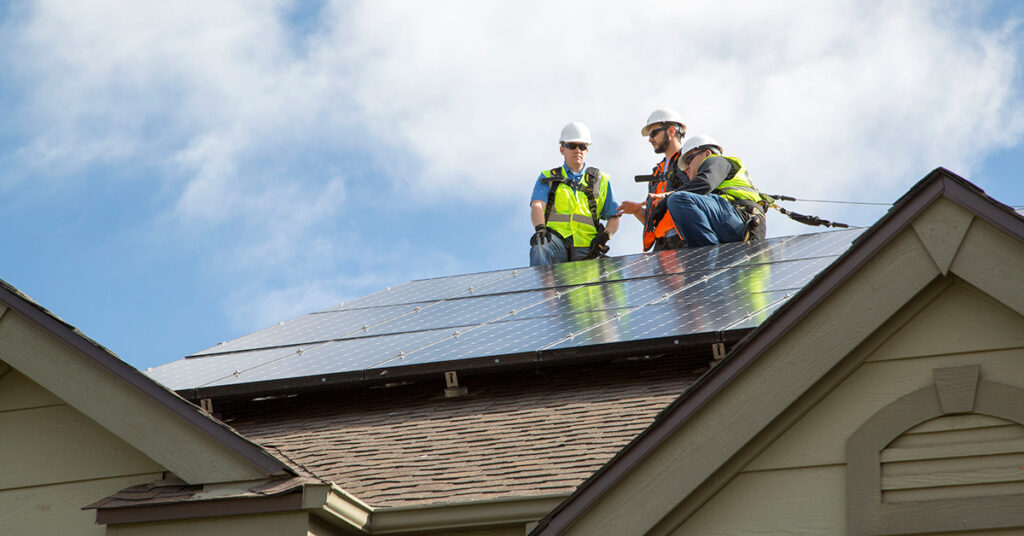
The Commonwealth of Virginia stands at a pivotal moment in its energy transition. Calling on the state’s utility companies to provide 100% renewable energy by 2045 and 2050 for Dominion Energy and Appalachian Power respectively, the Virginia Clean Economy Act presents a strong framework for a mix of renewable energy solutions. We have generally been on track to reach our 2035 checkpoint targets, and rapidly decreasing solar and battery storage costs make the end goal even more viable.
But two major challenges are complicating matters.
- exploding energy demand, almost entirely from data centers, is doubling the amount of energy we need in Virginia and leading to continued reliance on fossil fuels; and,
- Virginia’s big utility companies are working hard to undermine the economic viability of one very important renewable energy option for Virginia, known as distributed generation, because it’s not as profitable for them.
“Our analysis demonstrates that small-scale, distributed solar delivers substantial value that far exceeds what is currently acknowledged under Dominion’s net billing framework.”
Distributed Solar
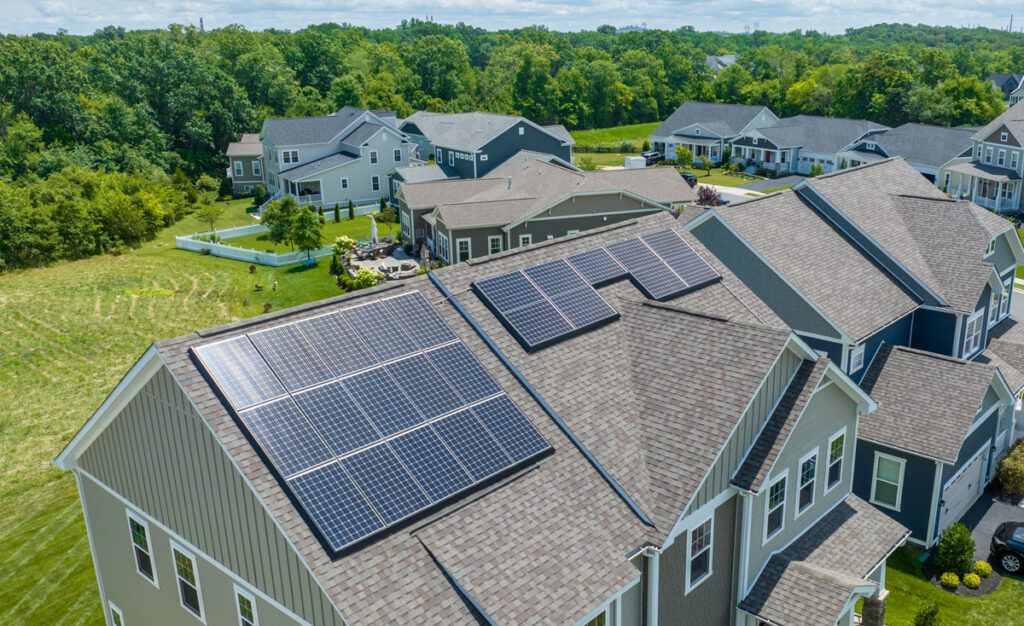
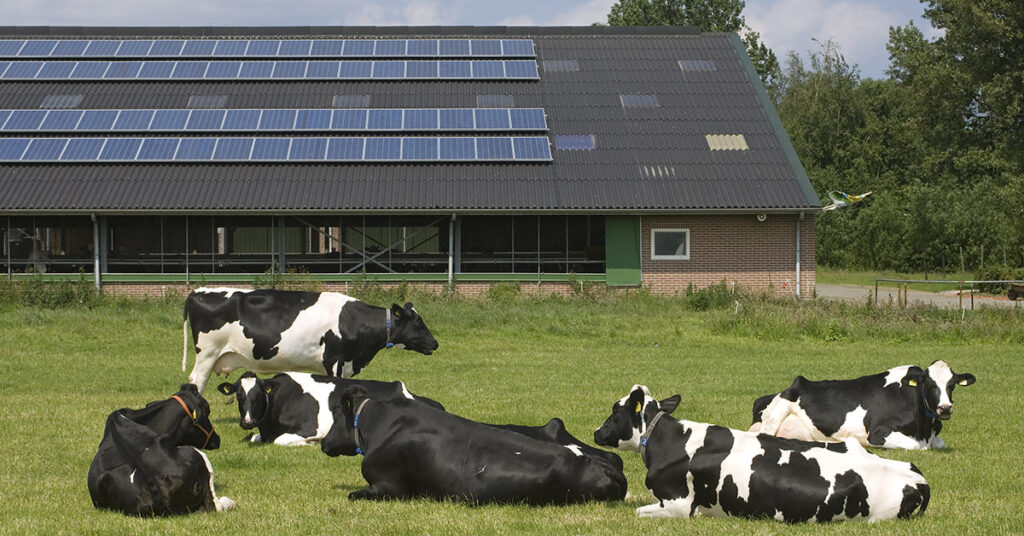
Distributed generation, and more specifically in this case,”distributed solar,” is any energy generated and used near the same location. Typically this refers to solar installations on rooftops, parking lots, brownfields, and other previously disturbed sites, as well as smaller-scale agrivoltaics installations that combine agriculture and solar on the same acreage. These are most typically customer-sited, and purchased and installed by homeowners, farmers, and businesses.
Because it is placed in already-built environments, distributed solar has a number of benefits over other types of renewable energy:
- Being close to where energy is needed and used, it is faster to connect to the energy grid and brings down the overall demand we need. The more we can install this type of energy generation, the larger scale generation and transmission projects we need- all of which have their own significant ratepayer impacts.
- It preserves prime agricultural lands, which contribute to local economies and aid in regional food security.
- It connects energy much more quickly to the grid, often in a matter of months, rather than the 5-10-year timelines for larger scale solar and gas. At a time when we are importing more energy than any other state in the U.S., and bills continue to skyrocket, this benefit is critical.
- It preserves forestland, which filters pollutants from the air and groundwater and contributes to healthy ecosystems.
- In addition to its direct environmental benefits, it can have additional indirect environmental benefits. For example, on warm days, parking lot solar canopies can have cooling effects for cars and buildings beneath them, potentially reducing the energy and emissions needed for air conditioning.
- It employs around 10 times more people than much larger solar facilities.
- It’s typically a much more efficient use of land, generating more power per acre than larger solar facilities.
- It can save individual families and businesses tens to hundreds of thousands of dollars over time in electric bills. As utility bills continue to rise due to rapidly increasing data center loads, those whose energy costs are locked in with solar will save even more over time.
- When combined with battery storage, solar insulates homes, farms and businesses from grid outages, allowing the owner to run essential functions with the combination of solar and storage. And, increasingly, some states are using “virtual power plants” to pay homeowners for their batteries. More specifically, virtual power plants pull a bit of power off of each in a collective of consumer batteries. When done at scale, this can achieve the same amount of power as a gas peaker plant at less cost. Virtual power plants have recently saved Texans hundreds of millions of dollars in electricity costs and kept their grid up during high stress events.
Although distributed generation currently makes up less than 2% of Virginia’s energy mix, there is potential for much more. The National Renewable Energy Lab estimates that Virginia could generate around 20% of its electricity with rooftop solar alone. University research studies have found that solar on every parking lot could produce 50% of Virginia’s energy. And, if the state made it easier to install small agrivoltaics on its nearly 40,000 farms, it could generate even more energy. A small 1 megawatt project on each farm would total 40 gigawatts, which is more than current Dominion peak load. Even if we achieved 10% of this varied potential, the collective impact would be significant. All of this – all through a more robust volume of small projects that benefit the citizens and resources of Virginia and help mitigate impacts of climate change.
So why aren’t we seeing more distributed solar generation in Virginia?
Simple: it’s just not as profitable for big utility companies and solar developers.
Most monopoly utilities like Dominion Energy make maximum revenue from building transmission lines and centralized energy generation – like gas plants and utility-scale solar. They are guaranteed at least 10% return on investment for everything they put into energy infrastructure. Who pays that return on investment? We do… everyone pays an electric bill that subsidizes Dominion profits.
And who stands to lose if Virginia generates more energy through distributed solar on rooftops, parking lots and smaller scale agrivoltaics?
Dominion Energy does.
That’s why Dominion Energy’s tremendous lobbying pressure has been a longstanding and powerful force against efforts to create a more distributed energy grid. And that’s why, in May 2025, Dominion petitioned the Virginia State Corporation Commission to make regulatory changes to “net metering,” which is the billing structure that makes small-scale solar beneficial to those who install it, so that it becomes economically unviable.
Net Metering is a billing arrangement whereby customers who produce more energy than they use, receive credit for excess energy that is sent back to the grid. This is how solar installations “pay for themselves” over time, and it’s what makes solar financially accessible to homeowners and small businesses. But Dominion wants to cut that net metering credit in a way that will severely undermine the value and practicality of distributed generation for all of Virginia.
The Value of Solar Report
Committed to advancing Virginia’s clean energy future, PEC commissioned Dunsky Energy + Climate Advisors to study and calculate the actual value of distributed solar generation to every Virginian — factoring in the range of benefits that utilities do not acknowledge when they are proposing big cuts to net metering values. Some of these benefits include the speed at which clean energy can be connected to the grid, reducing the negative impacts of new transmission and generation projects, and maintaining the environmental effects of conserving lands that would be otherwise lost.
Our analysis demonstrates that small-scale, distributed solar delivers substantial value that far exceeds what is currently acknowledged under Dominion’s net billing framework.
As Virginia advances toward its clean energy targets under the Virginia Clean Economy Act, policy frameworks must reflect the full range of benefits provided by distributed solar and storage to avoid underinvestment in these resources and overreliance on other, less beneficial energy sources. Ensuring a fair and comprehensive valuation of distributed energy resources will support continued investment in distributed solar generation and enable these resources to play a growing role in meeting Virginia’s energy needs reliably, affordably, and sustainably.
For more information about the Value of Solar report or PEC’s energy work, contact Ashish Kapoor at [email protected].