
By Peter Krebs, Albemarle and Charlottesville Community Advocacy Manager

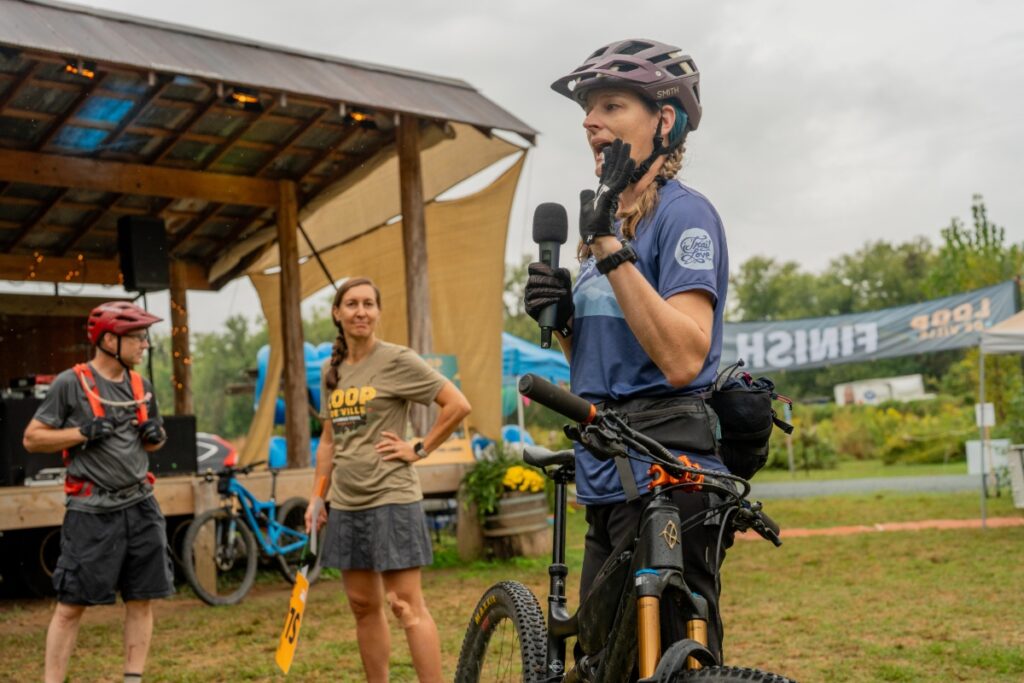
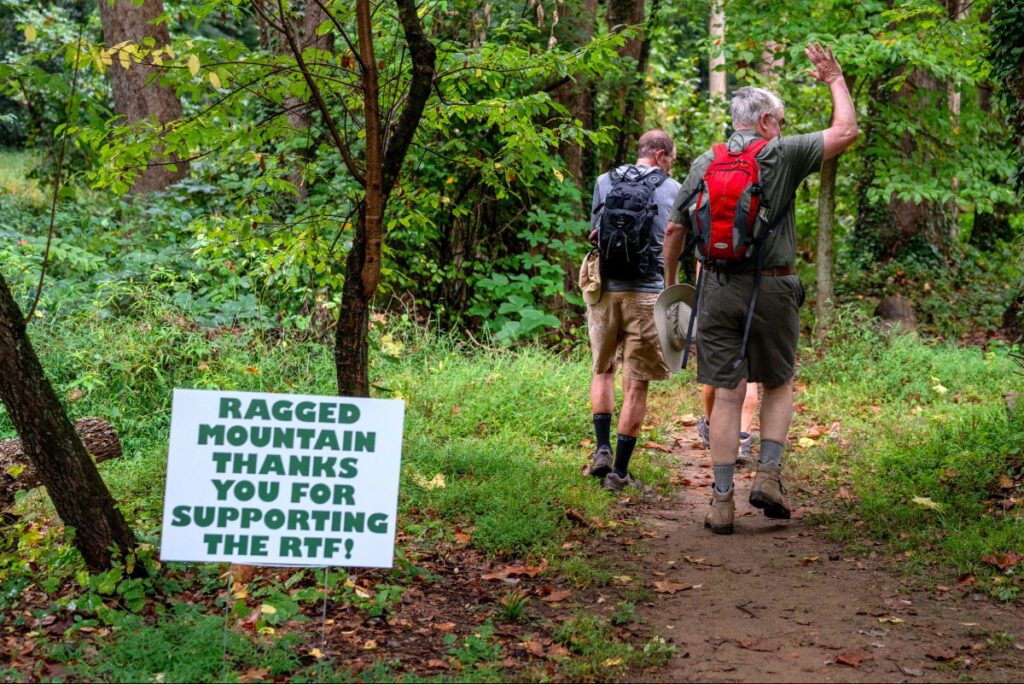
More than 350 people braved a rainy day to take part in the Loop de ’Ville Sept. 23, 2025. The full-day, 20-mile adventure is organized by a coalition of groups seeking to draw more people outdoors, specifically to experience Charlottesville’s Rivanna Trail. The event’s growing popularity is driving improvements to make the trail more inviting, unleashing a virtuous cycle of more people spending time on a more-welcoming trail.
Spotlighting a Hidden Gem
The Rivanna Trail (RT) is an unusual and wonderful resource: a 20-mile loop trail providing easy access to the outdoors and a rustic escape for residents and visitors to Charlottesville and Albemarle County. It offers a mix of single-track, stone dust and asphalt sections, with numerous bridges and a few wet stream crossings, touching dozens of neighborhoods along the way.
For more than 30 years, the all-volunteer Rivanna Trails Foundation (RTF) has built and stewarded the trail by negotiating durable access agreements with private and public landowners and organizing work parties, signage, fundraising and lots of sweat equity.
Although the trail passes near thousands of homes and businesses, and is considered by many to be the area’s crown jewel, not every resident uses the trail. Some don’t even know about it. Coming out of the COVID-19 pandemic with the desire for fresh air at an all-time high, the RTF resolved to do something about it.
A Party with a Purpose
For decades, a changing group of RTF leaders has held an annual autumn hike of the full 20-mile circuit. Typically numbering around a dozen, their outing combined fellowship and reconnaissance. Early organizers had the explicit goal of encouraging more women to hike, and the RTF has since used the opportunity to learn where physical improvements might make a difference. They called it the Loop de ’Ville, which is both descriptive and a sly reference to a popular local nightspot.
In 2022, the RT’s 30th birthday presented an opportunity for a massive party for the entire community, but it was clear that the RTF board would not be able to pull it off by themselves. The Piedmont Mobility Alliance marshaled resources to make it happen.
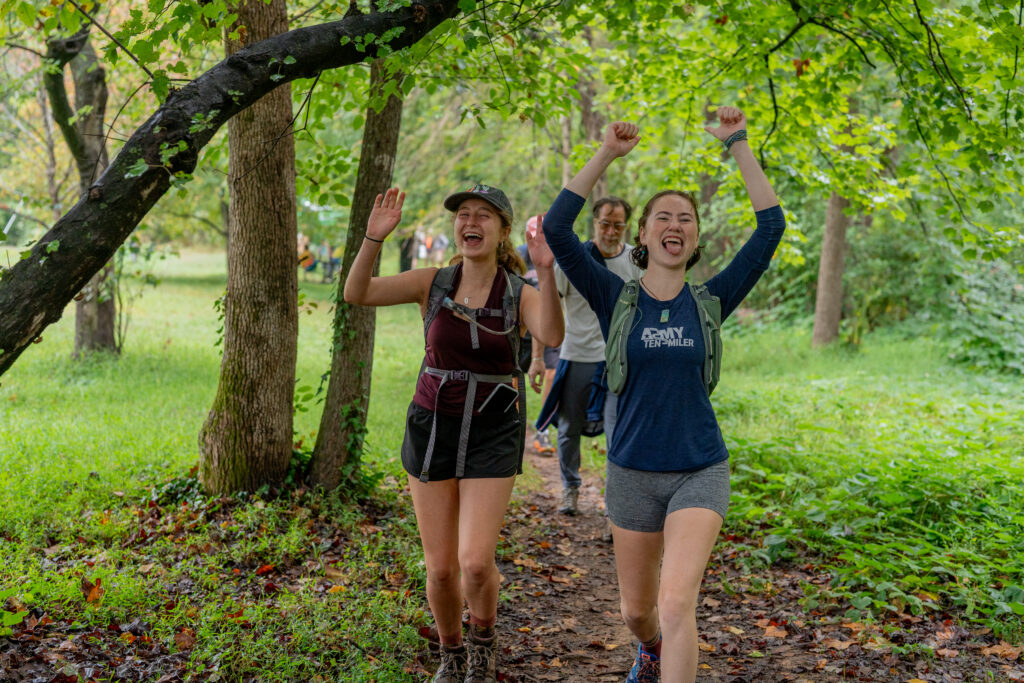
The informal social walk became a large festival with music and guided (but self-supported) hikes and bike rides around the full 20-mile loop. There was also a birthday cake and a 5-mile trail run. Hundreds of people attended and word spread. The experience provided key lessons about what it would take for the trail to be worthy of its goal of serving the entire community.
If You Want Them to Come, Build it the Right Way
Trail advocates often struggle with a tension between making trails welcoming to more people while also protecting the sense of seclusion and escape. But our research has shown that these don’t have to be mutually exclusive. Enhanced maintenance, abundant signage and bridges over difficult streams open the trail to many more people without depriving anyone of anything.
The RT’s 20-mile length and natural surroundings assure that visitors can easily find solitude if that is what they want. Upgrades have also been sure to provide multiple experiential options: braided trails with varied surfaces and levels of difficulty within the same corridor whenever possible.
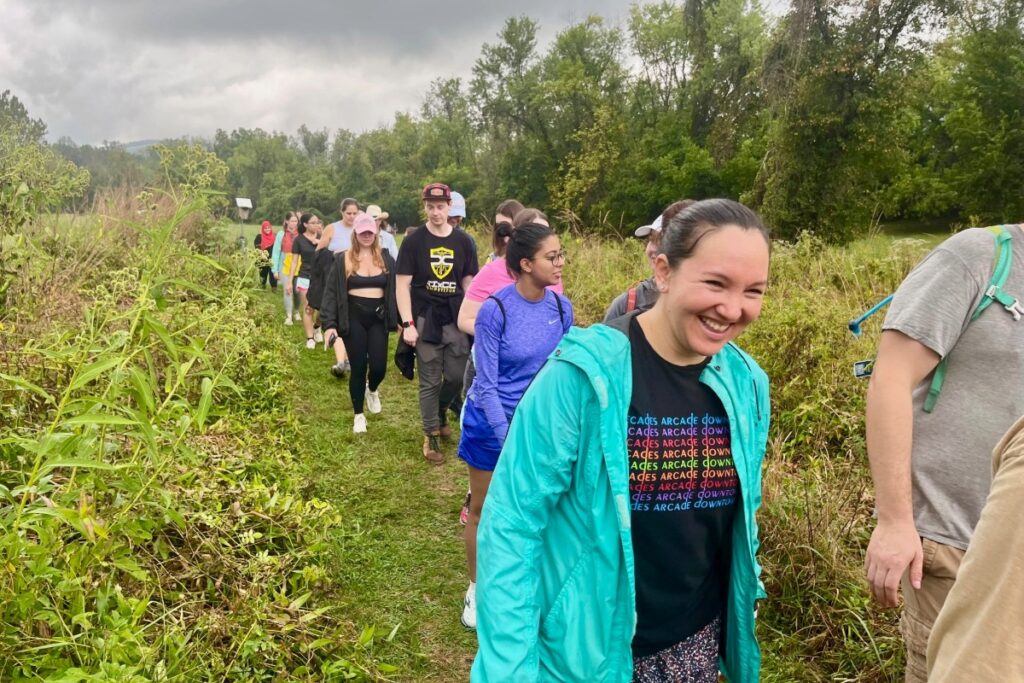
Similarly, people tend to go where other people are, but they also like to explore new places – if they are shown the way. The RTF has added monthly section hikes that introduce the Rivanna Trail, one roughly 4-mile section at a time. These Sunday-morning gatherings are quite popular. They provide regular doses of fresh air to an expanding number of people and serve as an informal training program for the annual Loop de ’Ville.
In recent years, the RTF has added a trail blazers program that provides paid work experience for area high-school youth who build and maintain trails in both Charlottesville and Shenandoah National Park. The program enhances the trail while cultivating the next generation of outdoor leaders.
A More Supportive Event
During the past few years, the Loop de ’Ville has evolved from an informal hike to a well supported celebration along the entire trail with an afterparty. Cheer zones along the way are sponsored and staffed by area clubs and businesses that provide regular encouragement, plus food, beverages and bathrooms. They’re also regular check-ins with exit options for anyone who cannot finish the loop.
Recognizing that 20 miles is not for everyone, organizers have added a half-route option with a shuttle. This year we debuted a popular new 3-mile mini-loop that is entirely paved and suitable for strollers and wheelchairs, with knowledgeable guidance from local naturalists and planners. We were ready to accommodate people in wheelchairs, and they will be actively encouraged to participate in 2026. Every finisher, regardless of the distance they journeyed or how they did it, was encouraged to bang a finish-line gong and invited to stay for riverside music, food and celebration.
A Collective Endeavor
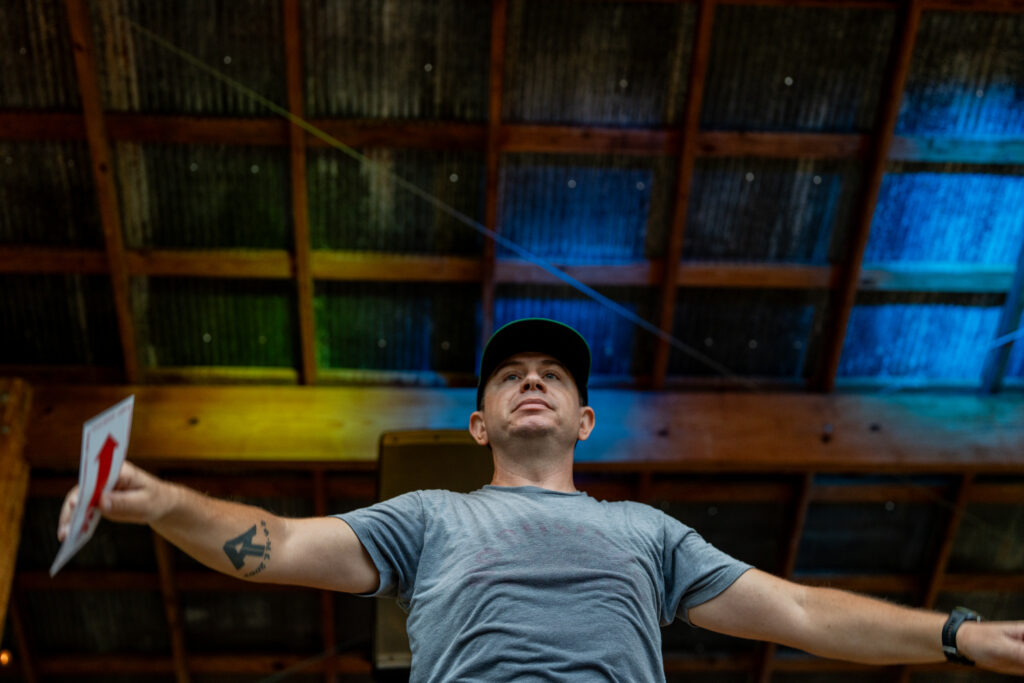
The Loop de ’Ville is not organized by a single entity. It is a collective project of multiple organizations, businesses, and groups unified around the idea of making the outdoors more accessible. It isn’t just a celebration of a trail, it is a display of how a sense of community is created, in which each individual or group contributes in their unique ways, adding up to something wonderful.
For example, the Rivanna Conservation Alliance (which stewards the Rivanna River Basin) and the Cville Litter Pickers mobilized more than 250 people who hauled out hundreds of bags of trash in the weeks leading up to the festival. The Charlottesville Area Mountain Bike Club dished out pancakes for everyone who made it to (or started at) the halfway point. Local river outfitter, the Rivanna River Company, provided its gorgeous riverside venue and technical support for the start and finish-line party, plus shuttle buses.
Planning a quality experience for hundreds of participants along a 20-mile course is complicated. Fortunately, the Piedmont Mobility Alliance provides a forum for collective action and channeling diverse energies. A working group with leadership from about a dozen groups, clubs, and governmental agencies ranging from the local health department to a local outdoor gear consignment shop meets regularly to plan the annual event.
The Piedmont Environmental Council serves as the backbone for the coalition, with facilitation and technical support, ranging from communications, event planning, and fundraising.
A Proposition Validated in Unexpected Ways
The Loop de ’Ville is succeeding in educating more people about the Rivanna Trail and encouraging them to explore the community. It is also an important learning experience for local advocates about what it takes to get more people outdoors and to grow their organizations.
Of course, the event and the related trail upgrades have not been free. But as the trail has welcomed more people, donations have increased dramatically. These include both cash and in-kind contributions.
For example, many of the bridges that tame challenging barriers along the trail are built by a group of retired engineers. They are a small part of a vast army of volunteers who support the Mobility Alliance’s collective work.
The transformation of the Loop de ’Ville has been undertaken with forethought and intention, but it also has been a bit of a leap of faith. Would it actually open the trail to new people, using it in new ways?
Yes, it has, and is doing so. I caught up with four groups of trail users who shared their perspectives:
Runners | Family Bikers | UVA Student Hikers | Mini-Loopers
The Loop de ’Ville is serving its original goal of bringing more people into the outdoors and providing insights about how to make nature more accessible. It’s also a fun celebration that connects us to one another and to the joy that powers the fresh-air movement.
