
Learn about Wildlife Habitat in the Virginia Piedmont — what it is, why we care, what a landowner can do to improve it. The following PowerPoint presentations were given to members of the Orange County Hunt in March, 2012.
Our Work
Safeguarding the landscapes, communities and heritage of the Piedmont by involving citizens in public policy and land conservation. Learn more about our work by browsing the subject areas below and find out how to get involved!
Virginia’s Six-Year Plan for Transportation
If you've ever wondered what roads will be built or what new transit options are going to exist in the near term –The Commonwealth Transportation Board has released its working draft of Virginia's Six-Year Improvement Program for comments, due by Friday, May 18, 2012.
The recently released draft plan covers 2013-2018 and it includes all of the proposed highway, road and bridge projects as well as rail, transit, bicycle, pedestrian and other transportation improvements across the state — with a total associated cost of $10.6 billion.
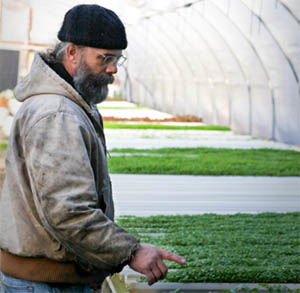
Planet Earth Diversified
You might think it unlikely that a farmer as grounded as Michael Clark of Planet Earth Diversified would get his inspiration from the spaceship Apollo 13. But if you take a tour of his farm, you'll see just how technology and careful engineering play into every aspect of its production.
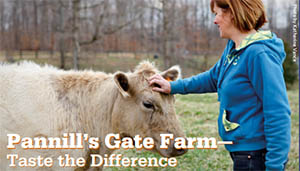
Pannill’s Gate Farm
“Come ‘ere babies, who’s gonna come visit?” Patty Johnson calls out as we climb the fence into the field at Pannill’s Gate farm near Culpeper, Virginia. The cows regard her carefully, presumably weighing their chances of getting food or a scratch on the head. Every day, Patty is out in the fields, checking on her entirely grass-fed herd of Red Angus and Murray Grey cattle. For her, the practice of rotational grazing, or moving the cows to a new strip of pasture daily, “re-establishes that relationship- why I am here and why I do this.”
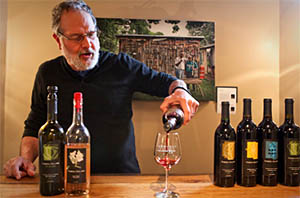
Fabbioli Cellars
For Doug Fabbioli of Fabbioli Cellars in Leesburg, growing his winery and his vines in a way that is environmentally and economically sustainable is a center point of his business philosophy. “Honestly,” he says, “environmental and economic sustainability really go hand in hand.”
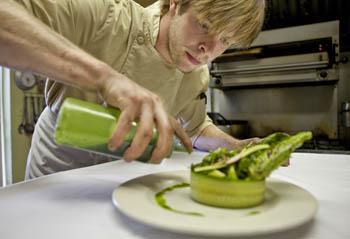
L’etoile
Mark Gresge is a self proclaimed food nerd. He loves food. He loves researching food history, learning about why people eat what they eat, what foods pertain to particular regions — he can't get enough. We all know that food nerds are not a rarity in Charlottesville. Yet, it's the path that Mark's passion led him down that's rare. Mark went from being an engineer who loved to cook, to owning and operating the Main St. restaurant L'etoile with his wife, Vickie Gresge.
Croftburn Farm
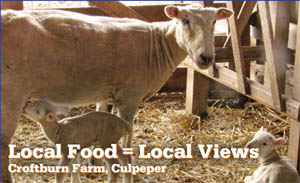
At Croftburn Farm, flocks of sheep and herds of cattle graze in wide green pastures on either side of Route 3, just outside of the Town of Culpeper—so the farm offers local residents both pastoral views and healthy, quality meats.
Whisper Hill Farm
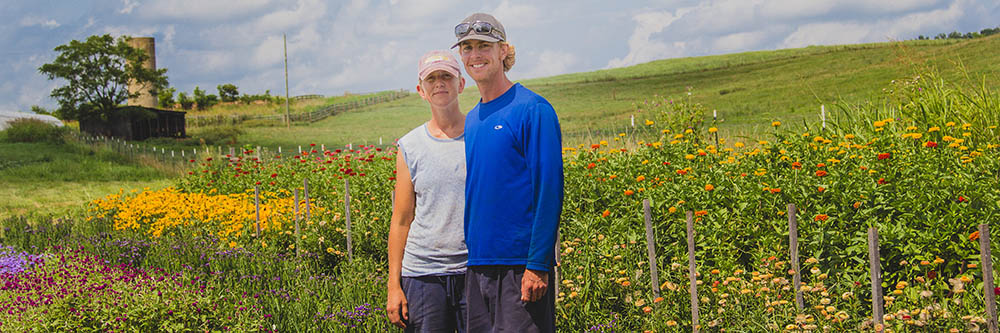
On several acres of bottom land bordering the Robinson River in Culpeper County, James and Holly Hammond grow hundreds of varieties of about 30 kinds of vegetables and herbs—an abundance of flavors for their customers to discover.

The History & Habitat of Amphibians
PEC's Sustainable Habitat Program Manager, James Barnes, wrote this article about our region's amphibians for the Spring 2012 issue of The Piedmont Virginian…
Making a Comeback
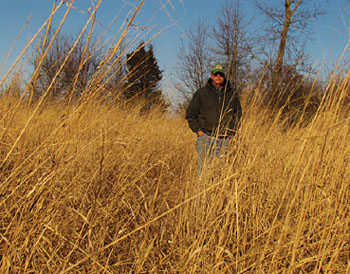
When Bill Sanford was a boy on Arrowpoint Farm in Madison County, at the confluence of the Robinson and the Rapidan Rivers, the fields were full of bobwhite quail. He could go out after school, he says, and find three coveys of birds in a field before he had to go inside to do his homework.