
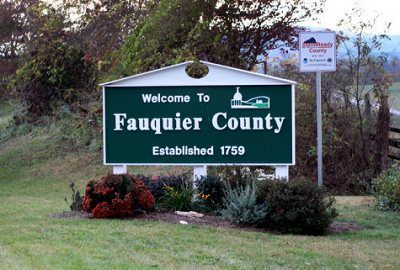
Over the past year, there has been a heated discussion of issues tied to growth and taxes in Fauquier County, both in the local papers and in casual conversation. In these discussions a host of terms are often used without definition. So here’s a short list of some taxes and concepts that every resident of Fauquier County should know when talking growth and taxes:
Our Work
Safeguarding the landscapes, communities and heritage of the Piedmont by involving citizens in public policy and land conservation. Learn more about our work by browsing the subject areas below and find out how to get involved!
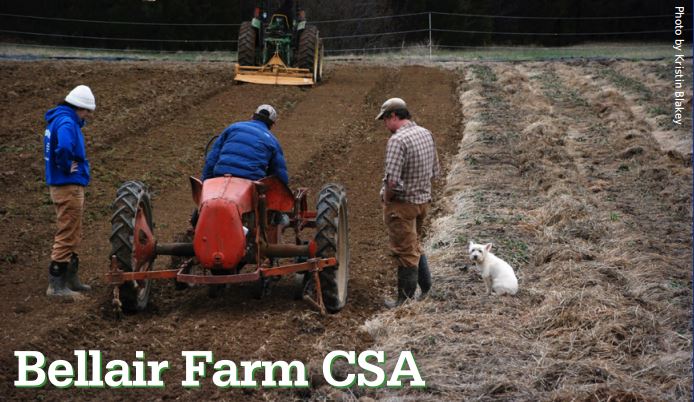
Bellair Farm CSA
For farm manager Jamie Barrett of Bellair Farm CSA, being a resource for the larger community is part of the farm vision.
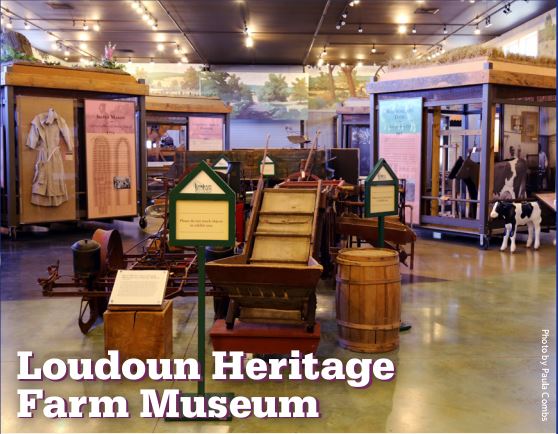
Loudoun Heritage Farm Museum
The Loudoun Heritage Farm Museum’s motto, “We Preserve The Past—We Educate The Future” says it all. Located within the Claude Moore Regional Park in Eastern Loudoun County, the Museum is governed by a public/private partnership between the LHFM Board of Directors and the Loudoun County Board of Supervisors.
Sugarland Run Tree Planting — Spring 2015
On Saturday, April 25th, the Sugarland Run community planted over 160 native trees and shrubs to help reduce air and water pollution in Sterling and add beneficial habitat. Over 80 people turned out to get a little dirty and work together for the environment and enjoy a feeling of accomplishment.
About the Remington-Pratts-Gordonsville line
What we know about the project so far.
Floating Island Installation at Broadlands
Working together for cleaner water. Volunteers planted three floating islands that will filter nutrient runoff from a Broadlands stormwater pond. Loudoun County Government stormwater staff launched the islands with weights and needed protection from geese until the plants mature. The protection and weights will then be removed.
The Piedmont Environmental Council collaborated with Broadlands Naturally (through the habitat committee of the Broadlands HOA) and Loudoun County, supported by grants from National Fish and Wildlife Foundation and Fairfax Water. Thanks to all who made it possible!
Leasing from Likeminded Landowners
In his search for the right piece of farmland, Ben Stowe spent a considerable amount of time “walking the grid.”
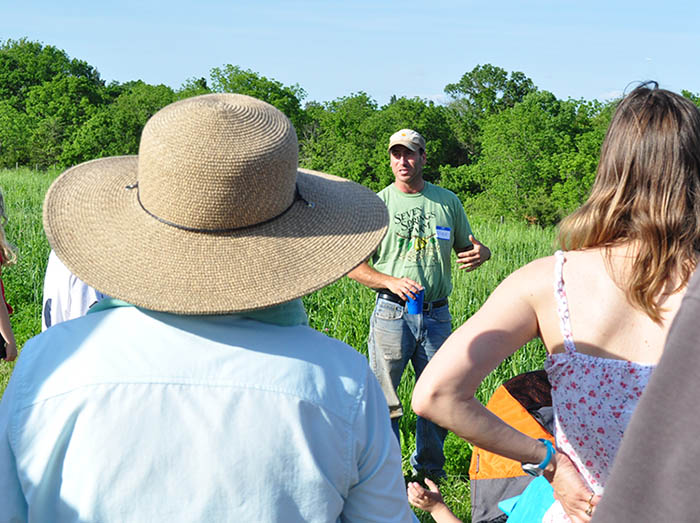
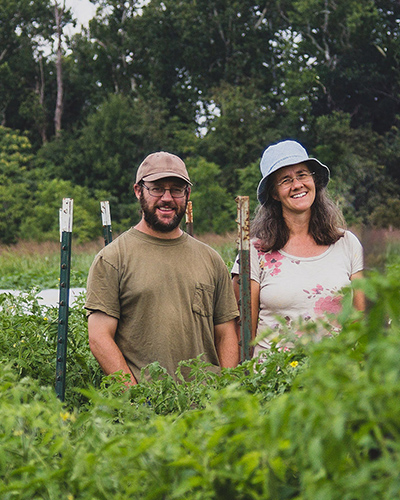
The Model for So Many Others
Eric Plaksin and Rachel Bynum are standing near a row of peak summer tomatoes in a field that, after 15 years of farming, feels very much like their own, when the landowner pulls up in his golf cart with his dog Hannah perched in the backseat.
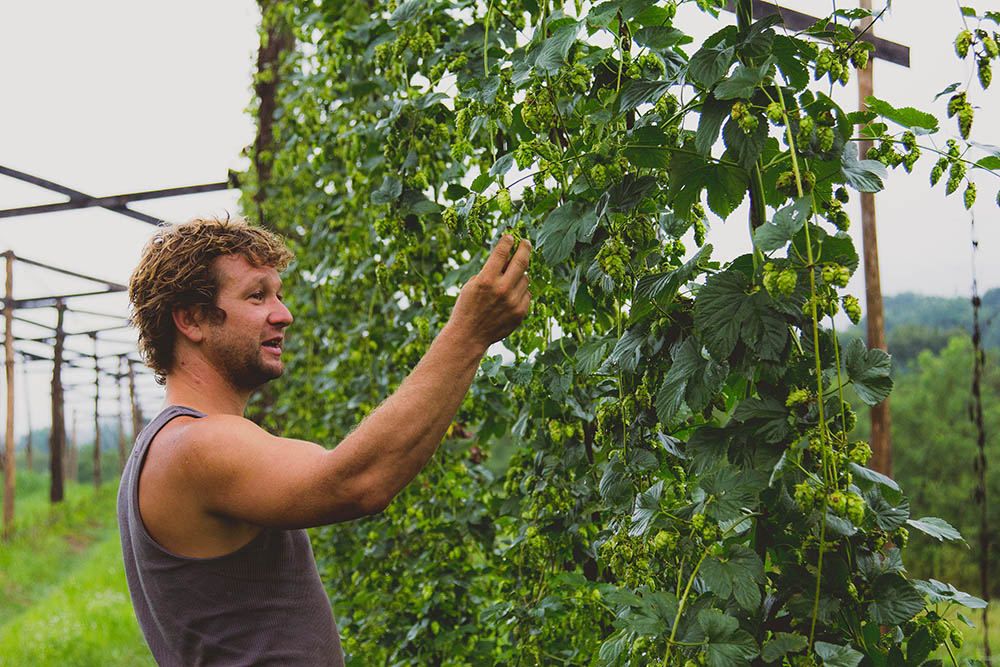
Making the Most of His Family’s Land
For Brian Walden, his path to farming started with 250 acres of land.