

Download PDF of printable tri-fold brochure
Got a pond? Or want one? Here’s a starter kit for how to manage a healthy aquatic ecosystem on your property.
Installing a Pond or Lake
If you’re thinking of establishing a pond on your property, be sure to consider…
Permits and regulations
Local and state permits are often necessary to build a pond. Check in with your local Soil and Water Conservation District (SWCD) or Natural Resources Conservation Service (NRCS) for personalized guidance.
Intended use
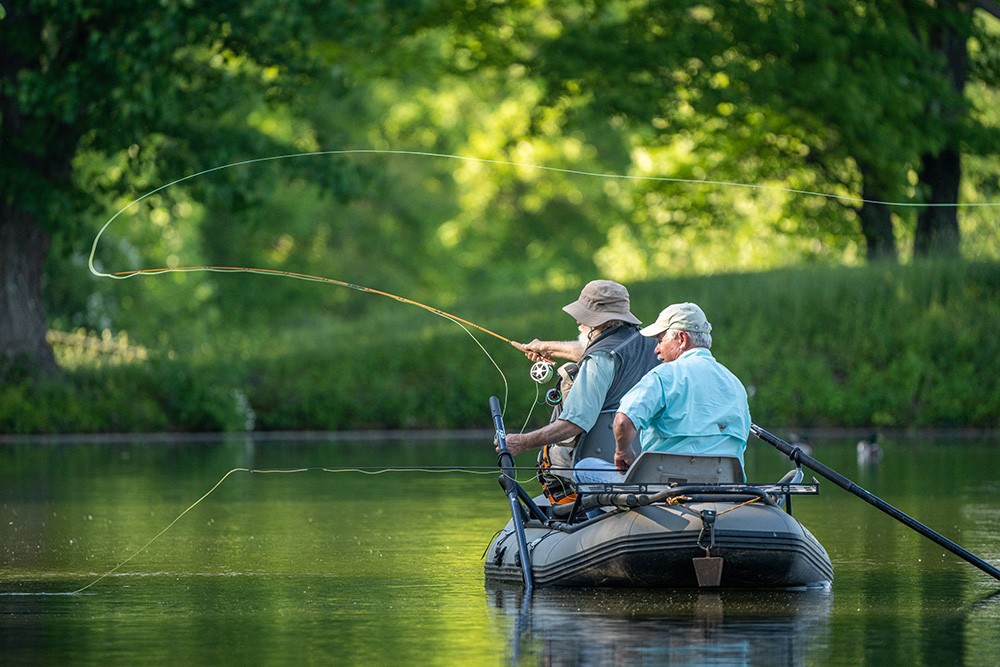
What’s your vision for your pond? A space to recreate? Quality habitat for wildlife? A private fishing spot to lease out to local anglers? All of the above? Your goals determine what (and how many) resources you’ll need to invest. Management and maintenance costs vary by pond type. To learn more about each, consult with your local NRCS.
Costs
Be prepared for upfront costs, like excavating and stocking a pond, and continued costs, like invasive species management, mowing, restocking fish, and regular maintenance.
Fencing off your pond
If you’re a livestock owner, fencing off your pond is the first step to improving its water quality. The Virginia Department of Wildlife Resources recommends installing fencing 50-100 feet from the pond bank, fully enclosing the pond. If not fenced off, livestock waste will increase the pond’s organic content, introduce harmful bacteria, and promote algae growth. Livestock trampling can erode the bank, too, causing shallowing and muddy water.
What’s a riparian buffer?
A riparian buffer is the vegetated border of trees, shrubs, and grasses along the bank of a river, stream, lake, or pond.
Why are they important?
A riparian buffer acts as a filter, absorbing sediments and pollutants before they reach your pond. Trees, shrubs, and grasses stabilize pond banks, reduce runoff, control flooding, and provide important wildlife habitat. Tree canopy shade also keeps your pond cool and high in dissolved oxygen.
Where can I start?
Don’t mow to the edge of your pond! We’d recommend leaving a 50-foot grassy buffer, to start.
You could qualify to receive free technical and financial assistance, labor, and materials to plant a riparian buffer on your property.
Other best practices
Smart Planning
- Plan, design, and construct ponds in compliance with local, state, and federal laws.
- Preserve cultural and historic resources in the project area.
Ecological Consideration
- Stock with locally-adapted and native species.
- Use alternatives to pesticides when possible.
- Rely on biological and mechanical control methods instead.
Sustainable Maintenance
- Install supplemental aeration equipment to improve water quality.
- Delay mowing until after the primary grassland bird nesting season.
What about fish?
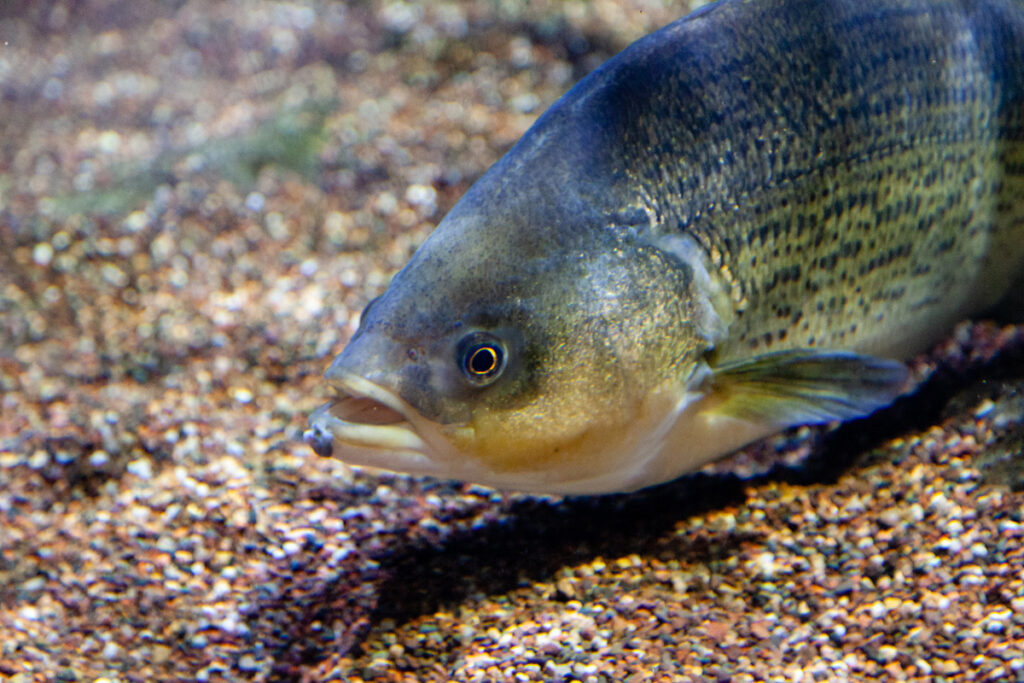
Most Virginia ponds support warmwater fish year-round, like:
- Largemouth bass
- Bluegill
- Redear sunfish
- Channel catfish
The Virginia Department of Wildlife Resources provides a list of specific recommendations on what and when to stock, depending on your pond’s intended use.
If you’re looking to lease out your pond to other fishermen, consult with your local NRCS to learn about long-term and day leasing, licenses, and permits.
Virginia Pond Management Resources
Download PDF of printable handout
There are several resources available for landowners looking for help with pond management. Below is a comprehensive list of government and non-government organizations with helpful resources, information and guidance.
Virginia Private Pond Management Guide (DWR)
- Site selection and construction tips
- Aquatic plant management advice
- Fish stocking recommendations
- Legal considerations for pond owners
- Information on private consultants
Piedmont Environmental Council Pond Management
- Resources for controlling aquatic vegetation
- Tips for managing recreational fishing
- Guidance on restoring and maintaining riparian buffers
Planning, Designing, and Constructing a Pond (NRCS)
- Step-by-step planning and design instructions
- Site assessment and selection details
- Best practices for long-term pond success
Fish Pond Management Guide (NRCS)
- Purpose and benefits of managing a fish pond
- Licenses and permits required
- Cost considerations
- Installation and leasing options
List of Private Pond Management Consultants (DWR)
- Services such as fish population assessments, water quality analysis and restoration
- Contact info and service descriptions for consultants in Virginia
Find Your Local Cooperative Extension
- Contact numbers for local extension offices
- Direct access to conservation specialists
- Opportunities for site visits and personalized advice
- Applications for material, labor and financial assistance in planting a riparian buffer
- Connect with cost-share programs
- Read other landowners’ success stories!
- Guidance on native riparian plant species suitable for a pond buffer
- Management options for non-native invasive plant species
- Resources for riparian buffer design and maintenance
- Regional native plant guides, including information for Central Rappahannock, Northern Virginia, Shenandoah, and more
Throwing Shade Virginia Program
- Provides a list of participating Virginia nurseries that offer discounts to buyers purchasing eligible native trees and shrubs
Planting to Attract Songbirds and Hummingbirds
- Recommendations on native plants that may attract birds to your pond
Still Have Questions? If you need personalized guidance or have specific concerns, contact your local Soil and Water Conservation District (SWCD) or Natural Resources Conservation Service (NRCS) office. Their conservation specialists offer free support, on-site visits, and can walk you through planning, permitting, and financial assistance options.