Dear Friends,
Every year, The Piedmont Environmental Council takes a day to celebrate the continuing progress toward our core mission of protecting lands and waters while building stronger, more sustainable communities. On a beautiful day at the end of May, we came together for our Annual Gathering, held this year at Longwood Farm, halfway down the Cedar Run watershed in the middle of working farms and forests that define a large part of Fauquier County as it extends south from Warrenton toward the Occoquan and Potomac rivers near Dumfries.
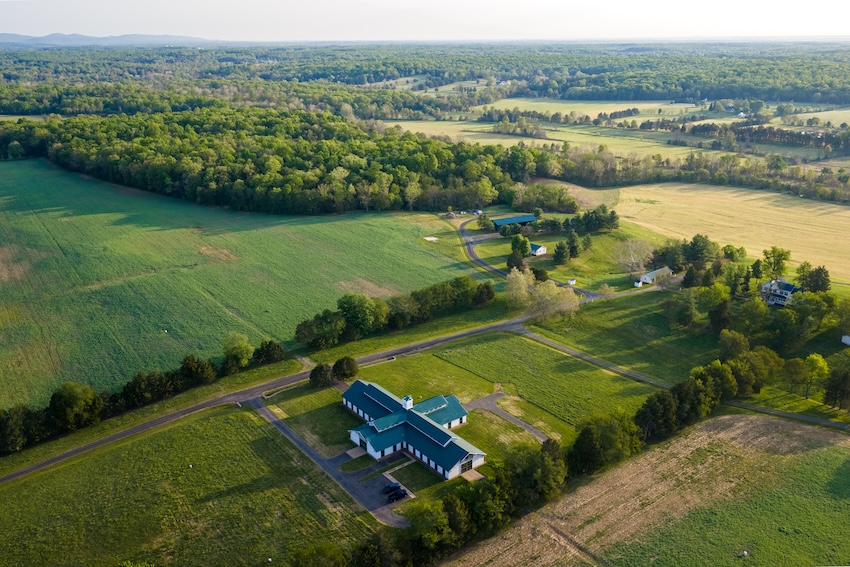
Lying between two ancient roads — the Rogues Road (part of the old Carolina Trail) and the Old Dumfries Road — with Cedar Run running through the palisades of Auburn to the junction with Turkey Run, Longwood dates back the 1750s and is currently being managed for rotational crops and hay. In recent memory, it was the center of a major thoroughbred breeding operation, with a modern barn and equine medical facility. The new owners are leasing the best crop land to local farmers while restorating riparian forested buffers and wetlands near the banks of Cedar Run, connecting to conserved lands. They were joined at PEC’s Annual Gathering by family members and descendants of families who have lived and worked at Longwood over the past 250 years, mirroring this year’s recognition of the United States’ 250th anniversary.
Families in Cedar Run watershed — from Catlett, Casanova, Castleton, Midland and Auburn — have protected 21,000 acres through a combination of public and private efforts over the past 50 years. The first was the Arundel family’s donation of a wildlife preserve on Wildcat Mountain to the Nature Conservancy in the 1970s. The most recent was just this month, June 1, 2026, when Cedar Run Conservation Partners, LLC, recorded a conservation easement supported by the Fauquier County purchase of development rights program, one of the leading local farmland preservation programs in the United States. Through the Julian Scheer Fauquier Conservation Fund — one of the 10 funds managed by PEC and the Piedmont Foundation — PEC has connected landowners to a variety of local, state, federal and private programs to accelerate conservation and restoration.
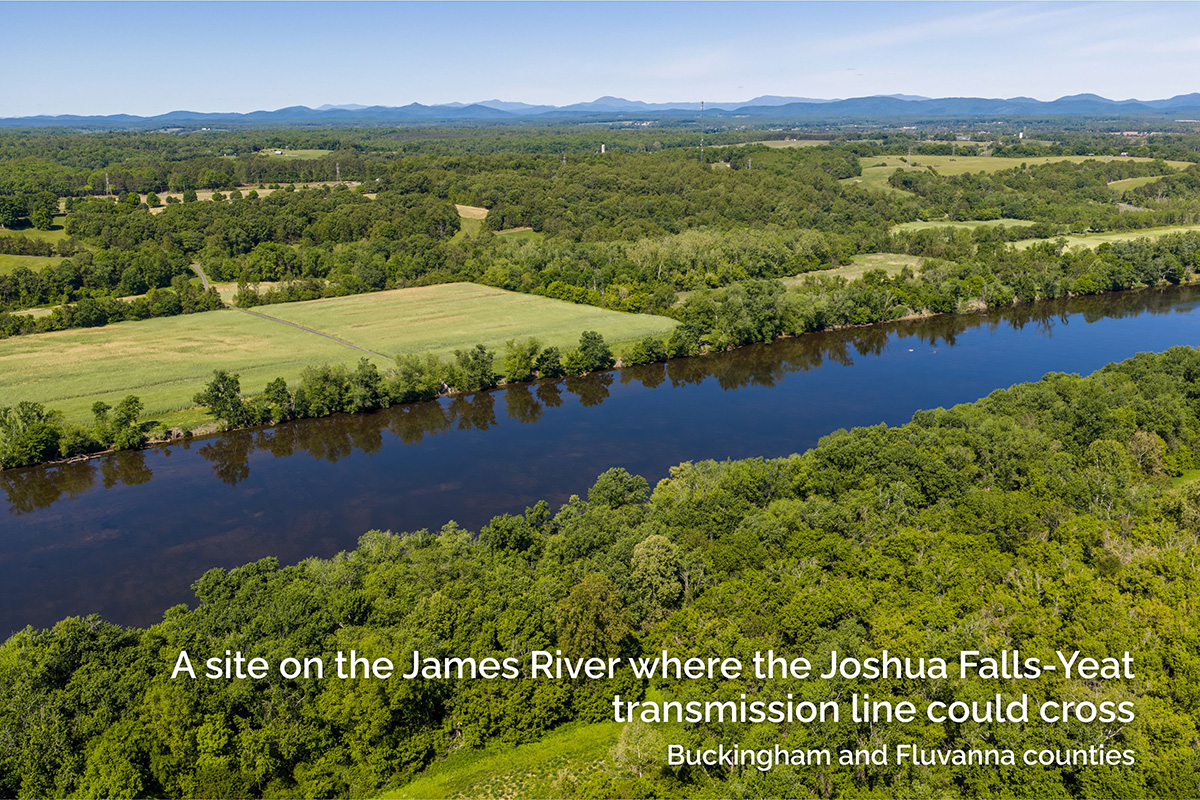
Each conservation and restoration project in the Piedmont is a cause for celebration, a generous and courageous act, especially now when so many economic forces are targeting this area for other purposes. The Piedmont’s nearly 680,000 acres of working farms and forests lie amidst a web of thousands of miles of streams and rivers, along scenic byways and within historic districts, with anchors in local, state and federal parks and conservation areas throughout. They are a national model of community conservation representing a strong commitment to local self determination that has resulted in globally significant corridors for wildlife biodiversity. But that model is increasingly threatened by the unmitigated impacts of the emerging plans for new data centers and the new energy generation, transmission lines, gas pipelines and substations that serve them, which are consuming hundreds of thousands, if not millions, of acres of land.
Over the coming months, we must all join together and demand that Virginia pause to plan and analyze alternative approaches to data center design and energy and water systems that take into account the aggregate and cumulative impacts on our communities and conservation values. Our counties and towns cannot continue to approve data centers without public oversight and complete transparency about the impacts on our air, water and lands, and all they support. At every level of government, we must insist that decisions be consistent with local comprehensive plans, with commitments to environmental quality, and with our obligation to protect the health of the most vulnerable populations. And we must ensure the cost of new infrastructure for energy and water supply, including the cost of mitigation, is fully paid for by the data center industry, not the ratepayers and residents of our communities.
Sincerely,
Chris Miller, President

This article appeared in the 2026 summer edition of The Piedmont Environmental Council’s member newsletter, The Piedmont View. If you’d like to become a PEC member or renew your membership, please visit pecva.org/join.