
You know that feeling when you’re putting together a puzzle and there’s that “Aha!” moment, when filling in one missing piece brings everything together? Hilton Farm in Orange County is an example of this phenomenon playing out in conservation form.
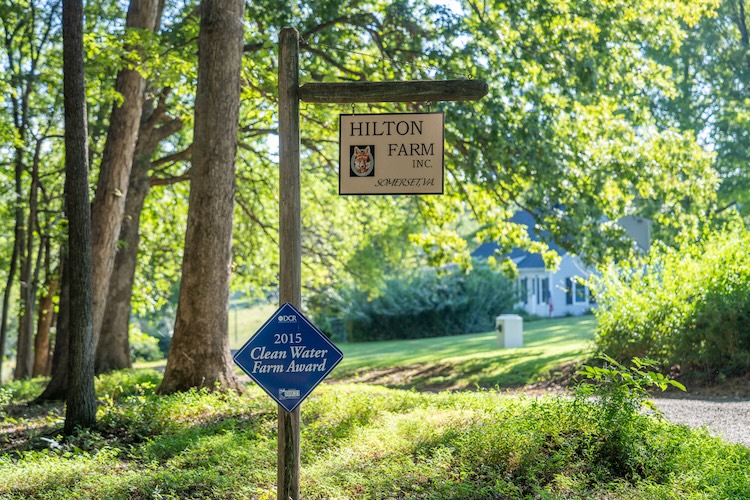
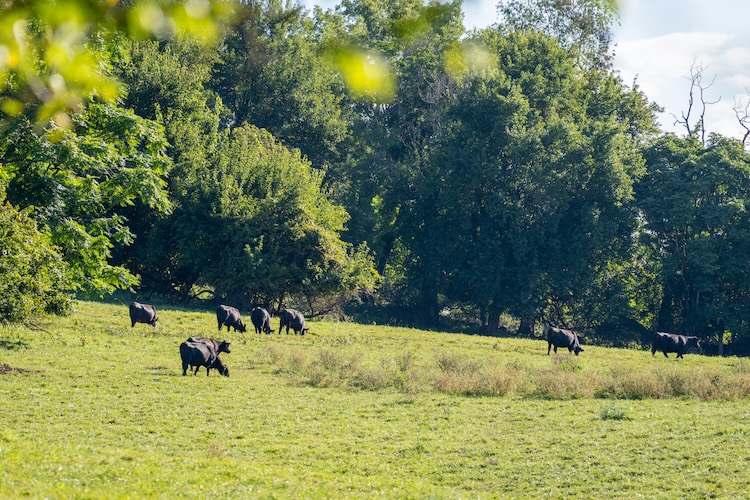
Owned by Mike and Judy Willis, Hilton Farm is a 365-acre cattle farm near Somerset nestled in the Madison-Barbour Rural Historic District. Among its natural resources are more than 3 miles of Rappahannock River tributaries and 80 acres of forest and wildlife habitat. The property also includes a historic 19th-century plantation school house and a cemetery, and is located minutes, as the crow flies, from Montpelier — the former home of U.S. president James Madison. The farm is visible from the Montpelier-Grelen Trail Network and the Blue Ridge Turnpike (state Route 231), which is part of the Journey Through Hallowed Ground Scenic Byway.
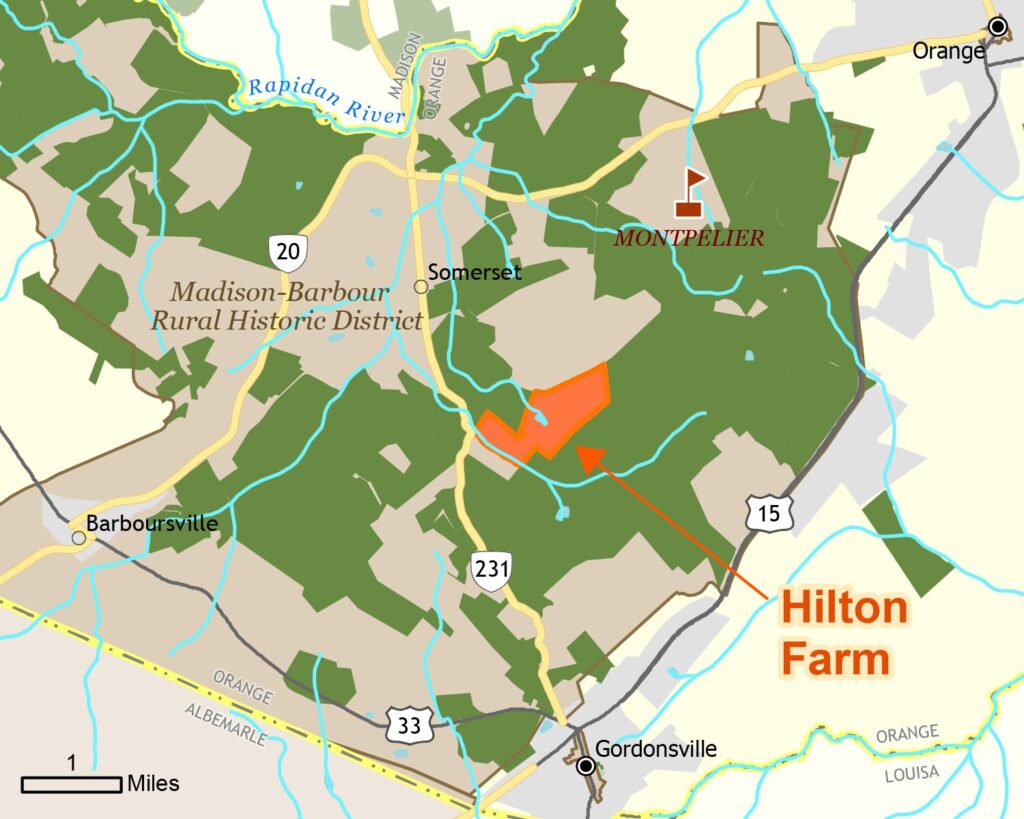
The beauty and character of the landscape around Hilton Farm is no accident, and the Willises’ decision to conserve it helps fill in a key piece of a contiguous block of more than 13,000 acres of protected land, supporting The Piedmont Environmental Council’s longstanding goal of conserving this nationally-recognized historic and scenic landscape.
This January, with funds from the U.S. Department of Agriculture’s Agricultural Land Easement (ALE) program, PEC purchased and placed a conservation easement on Hilton Farm. Through the ALE program and partnerships with landowners like the Willises, PEC is accelerating conservation of working farms and forest lands, improving water quality, restoring wildlife habitat and preserving historic and cultural resources in the Rappahannock-Rapidan watershed.
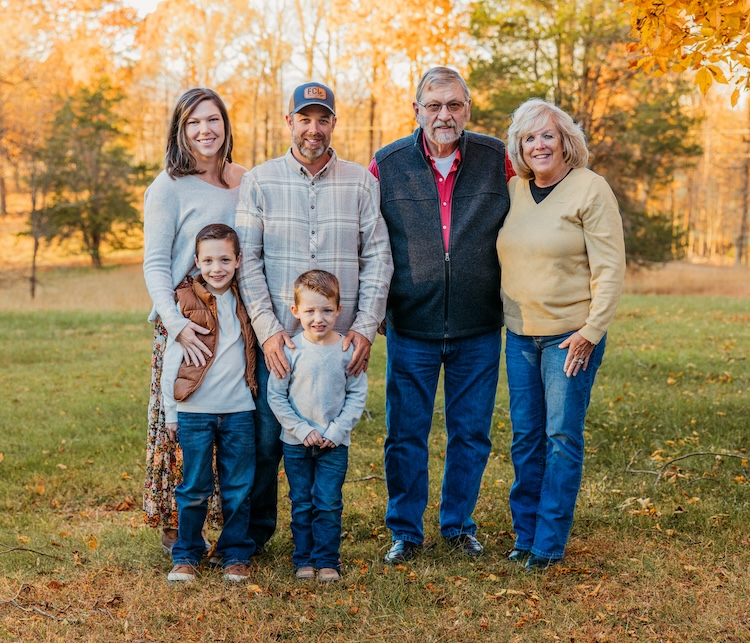
The Willises’ goals are simple and admirable: “We believe in keeping the property in a rural setting,” said Mike. The farm also represents their livelihood and their family’s future, with three generations involved in the cattle operation they run across Hilton Farm and two other nearby farms PEC also helped the Willises conserve through the ALE program. Mike and stepson Wesley work those farms every day of the week.
“We would like to have the debt reduced so that our children and grandchildren are able to keep it as a working farm for future generations,” said Judy.
Clean Water: A Big Piece of the Conservation Puzzle
For PEC, two words can sum up this easement’s community impact: Clean water. Conserving and restoring the Piedmont’s lands and waters, including working farms and prime agricultural soils in the Rappahannock watershed, is a key focus area of PEC’s Strategic Plan.
And protecting water resources was a priority for both PEC and the Willises at Hilton Farm. Our farms and communities need a safe and abundant water supply to thrive and grow. Clean water from Hilton Farm’s 3 miles of Hen & Bacon Run, Barbour Run and their tributaries drains into the Rapidan River, eventually joining the Rappahannock River, important public drinking water sources for downstream communities like the City of Fredericksburg.
The good news is that the Willises had already worked with the Culpeper Soil and Water Conservation District — which is a co-holder of the ALE easement with PEC — to implement many conservation practices on the property. “I cannot overstate the value of the Culpeper Soil and Water Conservation District’s role and expertise,” PEC Rappahannock-Rapidan Conservation Program Manager Bryn Sonnett said. And, Bryn added, the Willises “did more in preparation for the easement,” adding several sections of streamside fencing that helped meet the easement’s water quality protection goal by limiting livestock access to the farm’s streams and riparian areas.
ALE Program: The Financial Piece of the Puzzle
The focus of conservation easements can vary depending on the type of easement. ALE easements are specifically designed to protect the long-term viability of the nation’s food supply by preventing conversion of productive working lands to non-agricultural uses. They help ensure that: 1) owners can pass their farms on to future generations, keeping the land in the family; and 2) its primary use will always be for agriculture.
PEC’s work with the Willis family serves as a model of how the ALE program can be used to leverage public and private funding to protect high-quality farmland in the Upper Rappahannock watershed and beyond. Along with $550,000 in ALE program funds, PEC secured a $237,500 grant from the Virginia Land Conservation Foundation (administered by the Virginia Department of Conservation and Recreation) to purchase the conservation easement below its appraised fair market value. Mike and Judy donated the remaining value, which may be eligible for transferable credits under Virginia’s Land Preservation Tax Credit Program. Generous support from The Volgenau Foundation for PEC’s Rappahannock-Rapidan Conservation Initiative helped cover expenses related to completing the easement transaction.
Preparing the Next Generation of Farmers
Passing a farm to the next generation is an increasingly important part of conservation stories in the Piedmont. The ALE program will help the Willises keep Hilton Farm in the family. Judy’s son and Mike’s stepson, Wesley, and Wesley’s wife, Mandi, will one day take over the majority of the operation.
“The land succession aspect of an easement is important, especially for working farms,” said Bryn. “It’s often a question of how to make farming appealing and viable for future generations of the family. If you inherit a farm business that’s weighed down in debt, it is a much tougher proposition. It needs to be a realistic investment. The ALE easement can help set up the next generation for future success.”
Benefiting the Community, One ALE at a Time
Since 2018, PEC has secured $6.8 million through the ALE program to match other public and private funding for the purchase of conservation easements on 10 working farms, totaling more than 3,560 acres.
With the successful completion of the Hilton Farm ALE project, the Willises are helping PEC build momentum for conservation in a way that is having a ripple effect beyond the farm. “This family is becoming a leader and catalyst for conserving productive farmland in Orange County,” said Bryn. “They’ve been able to work with us to utilize the ALE program in a manner that conserves land and water with significant benefit to the public, while also meeting their long-term goals. Now, they can be a resource for other farmers looking for ways to conserve their property and take advantage of proven farm succession tools.”
Mike Kane, PEC’s director of conservation, added, “With ALE, we have another tool out there to help farmers conserve, invest and provide land succession. More and more landowners are coming to us as a result.”
This article appeared in the 2026 spring edition of The Piedmont Environmental Council’s member newsletter, The Piedmont View. If you’d like to become a PEC member or renew your membership, please visit pecva.org/join.