
The Virginia General Assembly will convene for a 60-day session beginning Wednesday, Jan. 14, 2026. PEC staff have co-authored several briefing papers that form the framework of the Virginia Conservation Network’s legislative priorities. Below, we break down some of the key issues we are tracking in the upcoming session.

Conservation
Various conservation programs allow Virginia to realize the many public benefits of protected lands — including clean water and air, wildlife habitat protection, carbon sequestration, flood mitigation, robust rural economies, and reduced costs from sprawl. These state programs are the tools through which PEC accomplishes much of our conservation work, making land conservation an accessible and viable option for landowners and communities. In the upcoming legislative session, PEC is supporting sustained and increased state funding for the following conservation programs:
- Land Preservation Tax Credit · Among the most successful land conservation programs in the U.S., this program provides tax credits equal to 40% of the value of donated land or conservation easements and is responsible for protecting over 1 million acres in Virginia.
- Virginia Land Conservation Foundation · Run by the Department of Conservation and Recreation to purchase conservation easements, this grant program protects farms, forests, parks and historic landscapes for the benefit of the public. These grants are a major source of funding that PEC uses to help landowners conserve their farms and forestland.
- Virginia Working Lands Fund · This state-funded grant program run by the Office of Working Lands Preservation within the Department of Forestry provides funding to help landowners place working farms and forestlands under conservation easements. PEC uses these grants as one tool to support the success of our Agricultural Land Easement work, which is among the most successful in the country.
- Our Virginia Outdoors · A comprehensive dedicated funding program for a variety of conservation priorities including many already field tested in Virginia, Our Virginia Outdoors has been through three years of coalition-building, and hopefully will get over the finish line this coming year to dedicate $300 million annually to conservation programs, including all of the above initiatives and more.
In addition to conservation funding, other issues we will be watching this session include:
- Oak Hill · PEC has been an advocate for the expansion of public access through land acquisition and for investment in outdoor recreation in state parks and other opportunities. Establishment of Oak Hill in Loudoun County as Virginia’s newest state park remains a priority.
- Wildlife corridors · Within PEC’s nine-county service area, major wildlife corridors along Shenandoah National Park and the Potomac, Rappahannock and James rivers are essential for migratory species like black bears, bobcats, wood turtles and brook trout. In addition to our work to conserve land along these corridors, PEC supports building wildlife crossings to allow wildlife to more safely traverse landscapes split by highways. The General Assembly has an opportunity to establish a Wildlife Corridor Grant Fund that would support wildlife crossings and data collection about wildlife-vehicle collisions to inform better road planning.
- Invasive species · Invasive plants harm our ecosystems by choking out native species and reducing the food and habitat available for species that have evolved to rely on native varieties. Removing invasive plants and replacing them with native species is an important part of good land stewardship, and PEC will be tracking any potential legislation this session that aims to address invasive plants.
Housing and Land Use
- Local authority · PEC continues to monitor efforts to reduce local land use authority. We feel that local comprehensive plans, developed in consultation with local elected and appointed officials, are best placed to determine the mix, location and compatibility of land uses. When bills arise that seem to circumscribe that authority, PEC works to minimize the impacts and to retain maximum local flexibility.
- Housing for the Climate · Safe, secure and affordable housing makes our communities stronger and more sustainable, especially when it’s built to promote dense, walkable cities. PEC and the Coalition for Smarter Growth, a project of PEC, hope to see legislation that supports smart growth and transit-oriented development that will reduce greenhouse gas emissions from long commutes and mitigate the ecological impacts of sprawl.
Energy & Climate
To mitigate the worst effects of climate change and ensure a stable, healthy environment for future generations, Virginia must transition from greenhouse gas-emitting fossil fuels to clean energy. This transition must be done thoughtfully, with care to protect the state’s natural resources. Committed to shaping and advancing Virginia’s clean energy future, PEC will be watching the following issues this session:
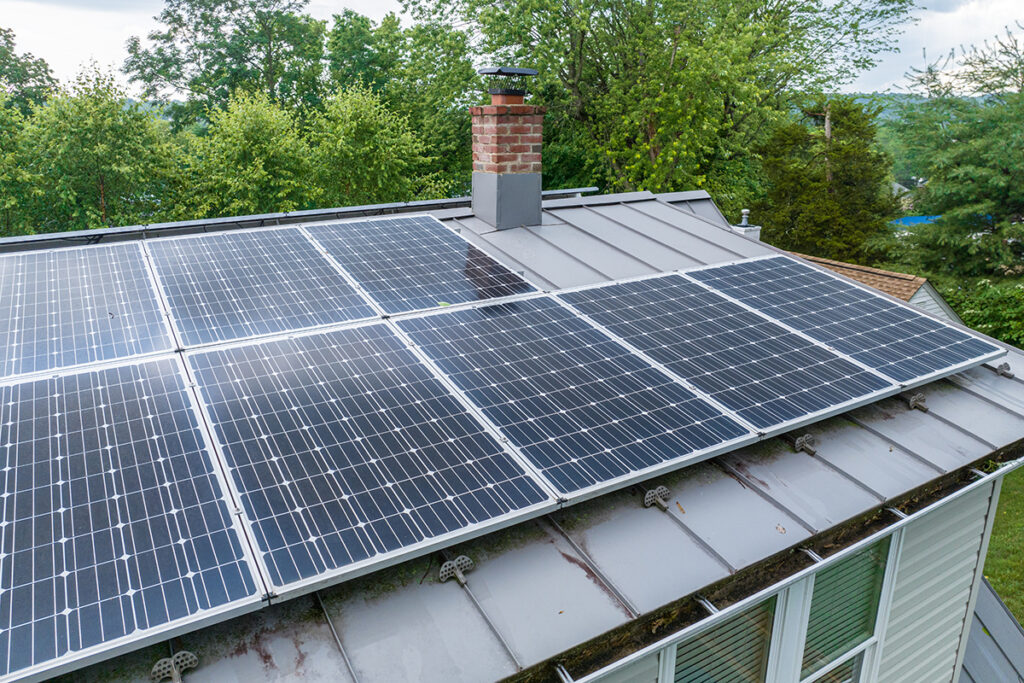
- Rooftop solar & distributed generation · Distributed generation is one of the quickest and simplest ways to add renewable energy to the grid. A range of bills this session will aim to expand the potential of rooftop solar, solar on the built environment and small-scale agrivoltaics, while lessening burdens on localities for rooftop solar permitting.
- Large-scale solar · While utility-scale solar is an important part of the energy mix, it is critical that it is well-sited and thoughtfully developed. Improving technologies and practices, such as all-terrain trackers and agrivoltaics, can be part of the solution but must be deployed within the contexts of the region.
- Battery storage · Storage is critical in Virginia to increase the efficiency of the existing renewables on the grid and, as a result, protect natural resources and mitigate new generation and transmission impacts. Further direction that ensures local stakeholder engagement in crafting a model ordinance will help ensure that existing and newer long duration energy technology is developed responsibly.
Data Center Reform
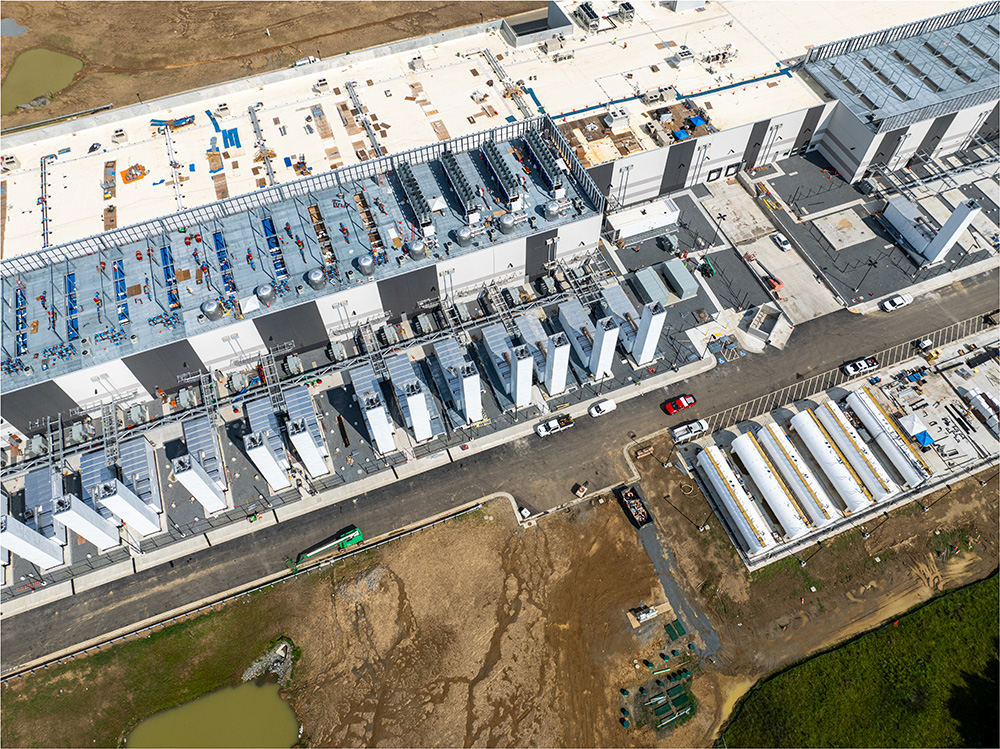
The outsized impacts of data centers in our communities will again make data center reform a priority for PEC and our partners in the Virginia Data Center Reform Coalition this year. Our efforts will be focused on our four pillars of data center reform — state oversight, ratepayer protection, enhanced transparency, and mitigating impacts — but we will also be closely monitoring other trends we expect to see this year, including legislation intending to address demand response.
- State oversight · PEC supports establishing a state-level regulatory review process by the State Corporation Commission, in addition to the existing local review, to help Virginia plan for and mitigate land use, water, air quality, and energy impacts from this expanding industry and evaluate the regional impacts of data center development affecting neighboring jurisdictions.
- Ratepayer protection · We expect ratepayer protection to be a major topic during this legislative session as electric bills continue to rise for Virginians. PEC believes the data center industry should pay its fair share, which is why we intervened in the State Corporation Commission’s ratemaking case with Dominion Energy earlier this year. We hope to see bills that will prevent residents and businesses from shouldering industry risks and subsidizing the billions of dollars in costs associated with the data center industry’s energy infrastructure needs.
- Enhanced transparency · To make good decisions, Virginia and its localities need good information. PEC supports legislation that would require local disclosure and statewide reporting on data center energy use, water consumption and emissions to ensure informed review of new applications and monitoring of existing data centers to enhance statewide planning.
- Mitigation of impacts · We hope to see bills that will mitigate the impact of data centers on Virginia communities and resources, such as requiring higher clean energy and efficiency standards for data centers, or requiring offsets for impacts to water and land resources. Mitigation could also include either reducing or eliminating the state tax exemption for data centers, or instituting a tax on data centers — and using the tax revenue from either to help balance the state’s budget and fund conservation and clean energy programs.
- Demand response · PEC expects to see discussion and legislation around demand response strategies that would pay large energy customers like data centers to disconnect from the grid during times of peak energy demand in an effort to increase grid reliability. We are watching this topic cautiously, as we are concerned it may encourage more data centers to use on-site gas turbines to meet their energy needs during peak times, enable the data center industry to build far beyond the grid’s capacity, and cost Virginians money.
This article appeared in the 2025 winter edition of The Piedmont Environmental Council’s member newsletter, The Piedmont View. If you’d like to become a PEC member or renew your membership, please visit pecva.org/join.