Managing flowing aquatic resources in the Piedmont is particularly important, due to our location in the headwaters of the Chesapeake Bay Watershed. Improvements to aquatic resources at the local level will enhance regional water quality. It is our duty as members of the greater ecological community to think of what our actions on the local level will do to wildlife downstream.
Our Work
Safeguarding the landscapes, communities and heritage of the Piedmont by involving citizens in public policy and land conservation. Learn more about our work by browsing the subject areas below and find out how to get involved!
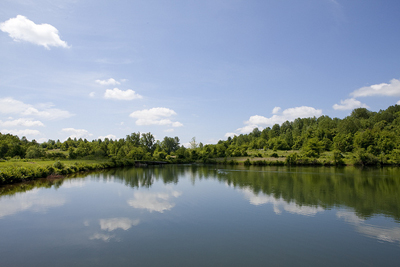
Managing Your Pond or Lake
Ponds and lakes can provide resources for feeding and nesting to a wide variety of terrestrial and aquatic organisms.
Backyard Rain Gardens & Frog Ponds
If you live in a suburban area, or have a property that does not contain a water sources such as a pond or a section of stream, you may want to consider planting a rain garden or building a frog pond.
Managing Wetlands for Wildlife
Wetlands, including seeps and springs, serve as important areas of habitat for aquatic and terrestrial animals, and provide the important ecological function of filtering sediment and pollution before they reach the watershed. Wetlands are most effective in their ecological function and as habitat when their unique vegetation is allowed to grow. It is recommended not to drain or mow wetlands, nor to remove trees or allow livestock in them.
Managing Your Pesticide Use
If you must spray chemicals on your property, you can take steps to 'manage' your pesticide use. Pesticides can kill pollinator or at the least negatively affect their pollination and reproduction behaviors. Labels only mention potential dangers to honey bees, some bumble bees, and orchard bees which can have very different reactions to chemicals than many native pollinators.
Pollinator-Friendly Plants for Aquatic and Riparian Areas
List of wetland plants that also support pollinators, (E) denotes that the plant is a quick rooting robust soil stabilizer.
Creating Pollinator Habitat
It begins with providing a diversity of native plant species that offer an ongoing sequence of open flowers from early spring to fall. Early spring pollinators have the biggest challenge in finding enough nectar and pollen to provide sufficient nutrition to their young.
Web Resources for Creating Habitat
Helpful links related to creating habitat, particularly backyard habitats:
Native Plant Lists
Find out what plants are native to the Virginia Piedmont using one of the following native plant lists.
Background on the TrAIL Line
The 500-kV transmission line proposed by Dominion Virginia Power and Allegheny Power (through their subsidiary TrAILCo) would begin in Western Pennsylvania, cross through West Virginia, and end in Loudoun County, Virginia. In Virginia it would pass through the Meadow Brook Substation in Frederick County on its way to the Arcola Substation in Loudoun County.