*Editor’s Note: This article was originally published in the print edition of The Piedmont View on June 16, 2026. Read PEC’s response to the budget announced on June 22, 2026.
The dust has finally settled in Richmond, and those of us who love the Piedmont have a lot to celebrate. With the 2026 General Assembly session (mostly) behind us, it’s clear that the collective voice of the Piedmont is being heard. The fact that the budget remains a work in progress* is evidence that we’ve begun shifting perspectives among the state’s lawmakers. Overall, this year’s outcomes mark a significant step toward protecting our rural character while building a modern, sustainable Virginia.
An Energy Revolution in Our Own Backyard
One of the brightest spots this year was what Piedmont Environmental Council Senior Energy and Climate Advisor Ashish Kapoor calls “transformative” progress on distributed generation — energy produced right where it’s used.
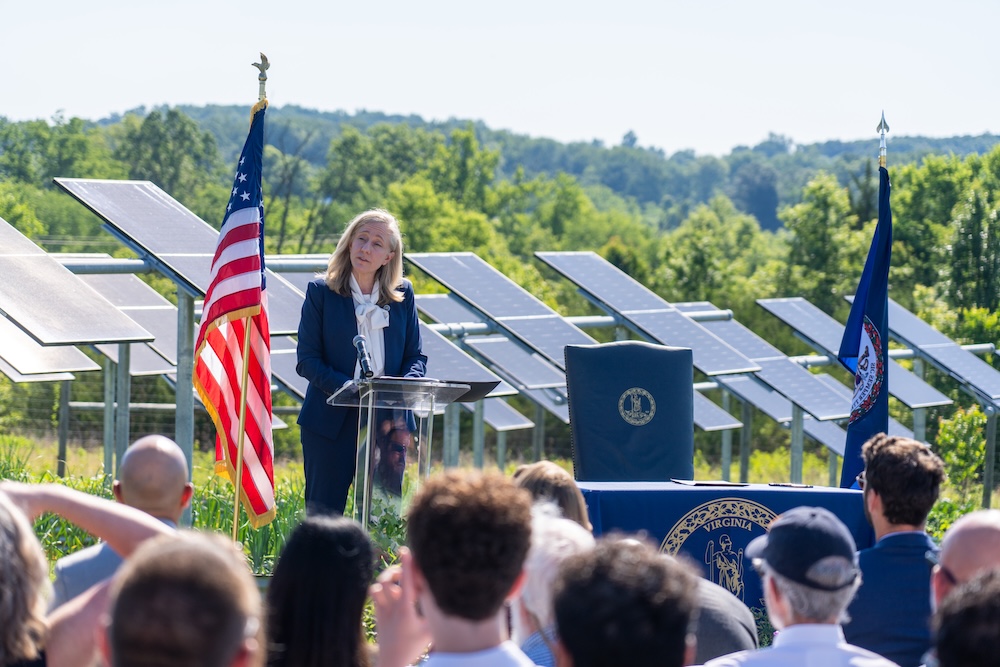
The Distributed Generation Expansion Act is a massive win for our landscape. It significantly increases the solar we can build on rooftops and parking lots, and even requires Dominion Energy — which has historically sidelined these options — to build 1 gigawatt of solar on “built” environments like brownfields and parking lots.
“That means people will benefit more immediately, and we’ll get energy online more quickly. Most importantly, it means there’s that much less solar we need to build over our forests and farms,” Ashish said.
The breakthrough wasn’t just technical; it was human. Ashish recalls “years of tough, sometimes emotional” debates with other advocates and utilities to find common ground, which inspired his recent TEDx Warrenton talk. “We have to trust the intentions of the people around the room, and that comes from the face-to-face conversations, the field trips to see what’s really happening on the ground and coming through those difficult moments together.”
That collaboration led to consensus building on a bill defining agrivoltaics, which PEC developed with Virginia Farm Bureau. The new law sets the stage for a subsequent workgroup to define incentives. And when our existing solar is combined with the state’s new battery storage requirements — another legislative win — the result is a more efficient grid that reduces pressure for intrusive new transmission lines through rural areas. In the end, Ashish said “it feels like we finally won a round with the big utilities. There’s hope that comes from all of this.”
Bringing (some) Balance to Data Centers
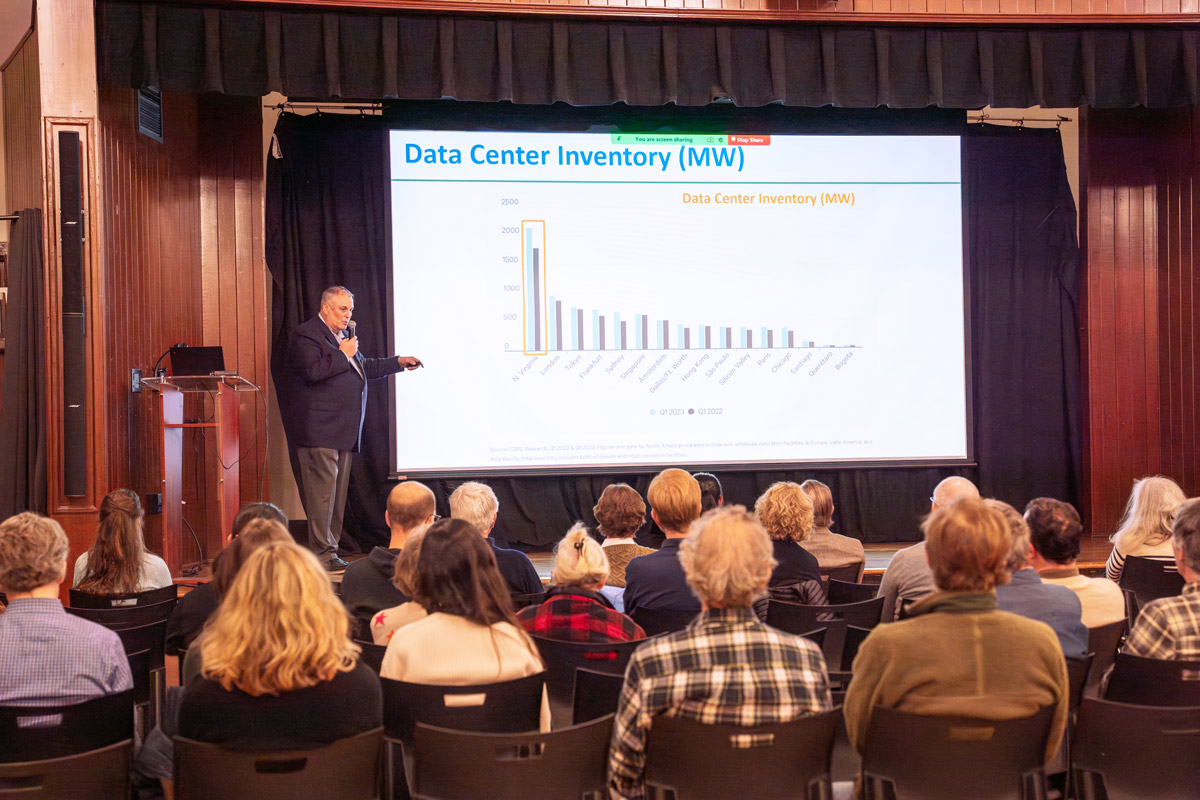
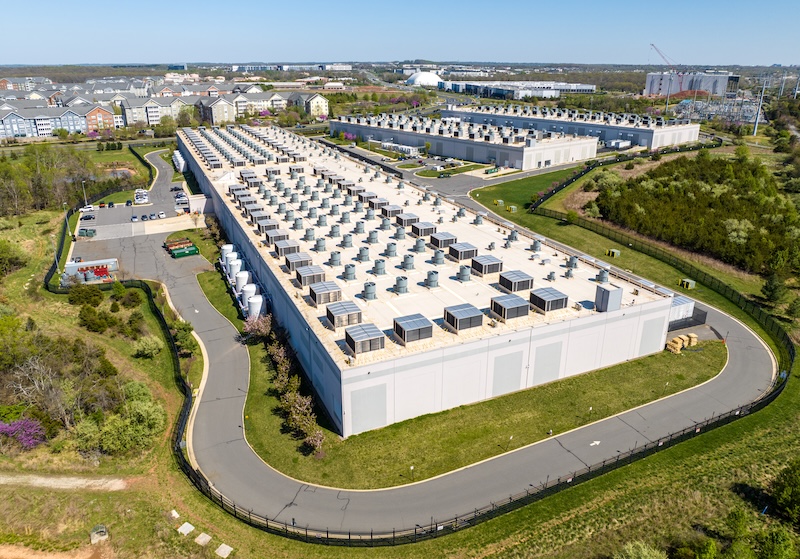
Meanwhile, “the growing awareness of data center impacts on our land, water and grid finally forced legislators to act,” said PEC Director of Land Use Julie Bolthouse. “While we saw only small moves toward accountability, that legislators felt enough pressure to take action was the real story. We didn’t get the critical bill we wanted, which was state oversight, and we didn’t get full disclosure of water needs, but we did secure some transparency in the form of periodic water usage reports and requirements for noise studies near residential areas. Utilities now also have to say how many substations and how much voltage they will need. These are all moves toward the transparency we’ve long advocated for,” she said.
Another sign the conversation has changed is that the Virginia budget is still being held up in a stalemate between the House and Senate over the state’s data center tax exemption, which ballooned to $1.9 billion last year and is projected to increase again this year. PEC has been vocal that these companies shouldn’t be subsidized by Virginia taxpayers. Sen. Louise Lucas and the Senate have held the line, while the governor and House leadership are unwilling to end the exemptions, despite legal authority to do so through the budget process. The legislature reconvenes this month for another special session focused on the budget.
The legislature also passed a “demand-response” bill, which creates a path for a program incentivizing data centers to shift their energy use during peak hours without using on-site fossil fuels. PEC is working to get a seat on the state working group to ensure this has real teeth and doesn’t end up costing other ratepayers to implement.
Smarter Growth and Affordable Housing
Our mission to promote vibrant, walkable communities took a giant leap forward with two major housing wins centered on creating access to affordable options.
First, Virginia officially legalized Accessory Dwelling Units statewide, reflecting “a rising sense that people need options that don’t involve division of land for more lots, but options for come-back children and parents,” said PEC Senior Advisor John McCarthy. “This kind of ‘hidden density’ provides flexible options without carving up our rural farms into new subdivisions.”
Second, the “Faith in Housing” bill now makes it easier for churches and nonprofits to build housing on their own land, provided it’s near existing transportation. “This responds to a growing need for variety in our communities and solutions that focus on affordable, workforce housing,” John said.
But PEC stood firm against a handful of bills that, in the name of more affordable housing, attempted to bypass local agency to accelerate development. “Local input and decision-making are the best tools our communities have to prevent bad projects from moving forward, and a critical part of the process,” John said.
Ultimately, these housing wins are also conservation wins. “Compact, transit-served communities can provide a high quality of life for people without negatively impacting our environment or natural resources,” John said.
PEC’s Foundational Mission
At the heart of PEC’s mission is permanent land conservation — the essential platform for protecting clean water, restoring wildlife habitat, creating public access to nature and strengthening the Piedmont’s rural economy. This year’s session didn’t net much forward movement, but PEC Director of Conservation Mike Kane says that maintaining our best tool, the Virginia Land Preservation Tax Credit, was a win.
For 25 years, this program has helped protect over one million acres, and it’s recognized as one of the most successful land conservation programs in the country. “The fact that there were no changes to it reflects a growing recognition of the significant public benefit conserved lands provide all Virginians — clean water, productive soils for the agricultural economy, and places for outdoor recreation,” Mike said.
Other top priorities, like funding for agricultural best management practices and the acceptance of Oak Hill in Loudoun County as a state park, are currently tied to the data center tax exemption stalemate. “While BMP funding looks solid, Oak Hill remains in play. We are still strongly advocating for the state to accept Oak Hill as a state park and hope the budget will bring a resolution to that in 2026,” Mike says.
Meanwhile, the General Assembly gave us four bills targeting invasive species. “These bills reflect a growing awareness of the hazards of non-native invasive species. Think about tree of heaven: that draws the spotted lanternfly, which is wiping out our local vineyards. Bringing new tools to this fight is essential for our natural world and our agricultural economy,” Mike said.
Finally, we are pleased to see the General Assembly reject changes the governor sought to make to a bill that discourages utilities from attempting to take conserved lands for transmission lines. By requiring utilities to repay the tax credits and local tax benefits associated with protected property, the bill would ensure these lands aren’t seen as cheap paths for development. “It highlights that for any conserved lands to be taken is offensive to the state’s priorities for conservation and the public benefits they provide. These lands are protected for a reason,” Mike said.
Looking Ahead
While the debate over data center tax exemptions continues into the summer budget negotiations*, and various other items tied to it hang in the balance, momentum is on our side. This progress wouldn’t be possible without the advocacy and support of PEC community members across the state.
This article appeared in the 2026 summer edition of The Piedmont Environmental Council’s member newsletter, The Piedmont View. If you’d like to become a PEC member or renew your membership, please visit pecva.org/join.